iHeartMedia, SiriusXM in merger talks to create audio giant
A possible iHeartMedia-SiriusXM tie-up would unite 860 radio stations and 32.9 million subscribers, raising antitrust questions over who controls audio reach.
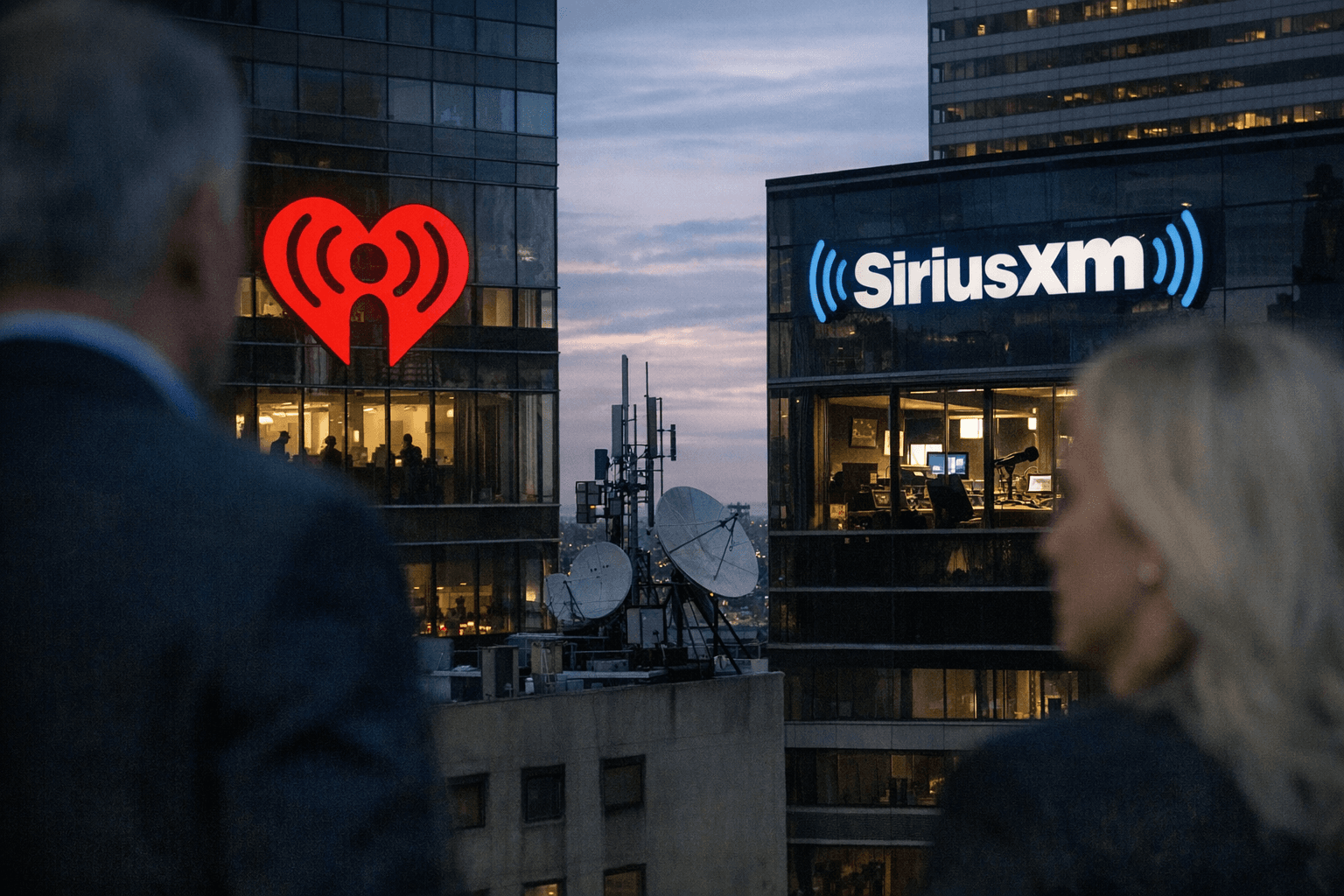
iHeartMedia and SiriusXM are exploring a deal that would put the country’s biggest broadcast radio operator and its largest satellite radio service under one roof, a combination with clear consequences for advertisers, artists and listeners. The talks are preliminary, but the scale alone explains why the news moved shares and drew quick attention from regulators and rival media companies.
A merger would join iHeartMedia’s more than 860 broadcast radio stations in 153 markets with SiriusXM’s roughly 32.9 million U.S. subscribers, plus SiriusXM’s podcast network and iHeart’s digital audio and podcast businesses. The combined company could generate more than $12 billion in sales, a size that would give it unusually broad reach across live radio, subscription audio and podcasts.
That breadth is also what makes the deal politically sensitive. iHeart already says a local iHeartRadio station is virtually everywhere, giving it a deep footprint in hometown radio and advertising. Folding SiriusXM into that structure would create a single company with more leverage over ad rates, audience distribution and promotional access for musicians and podcasters. The concern is not just corporate scale, but whether Americans would end up with fewer independent voices across audio platforms.
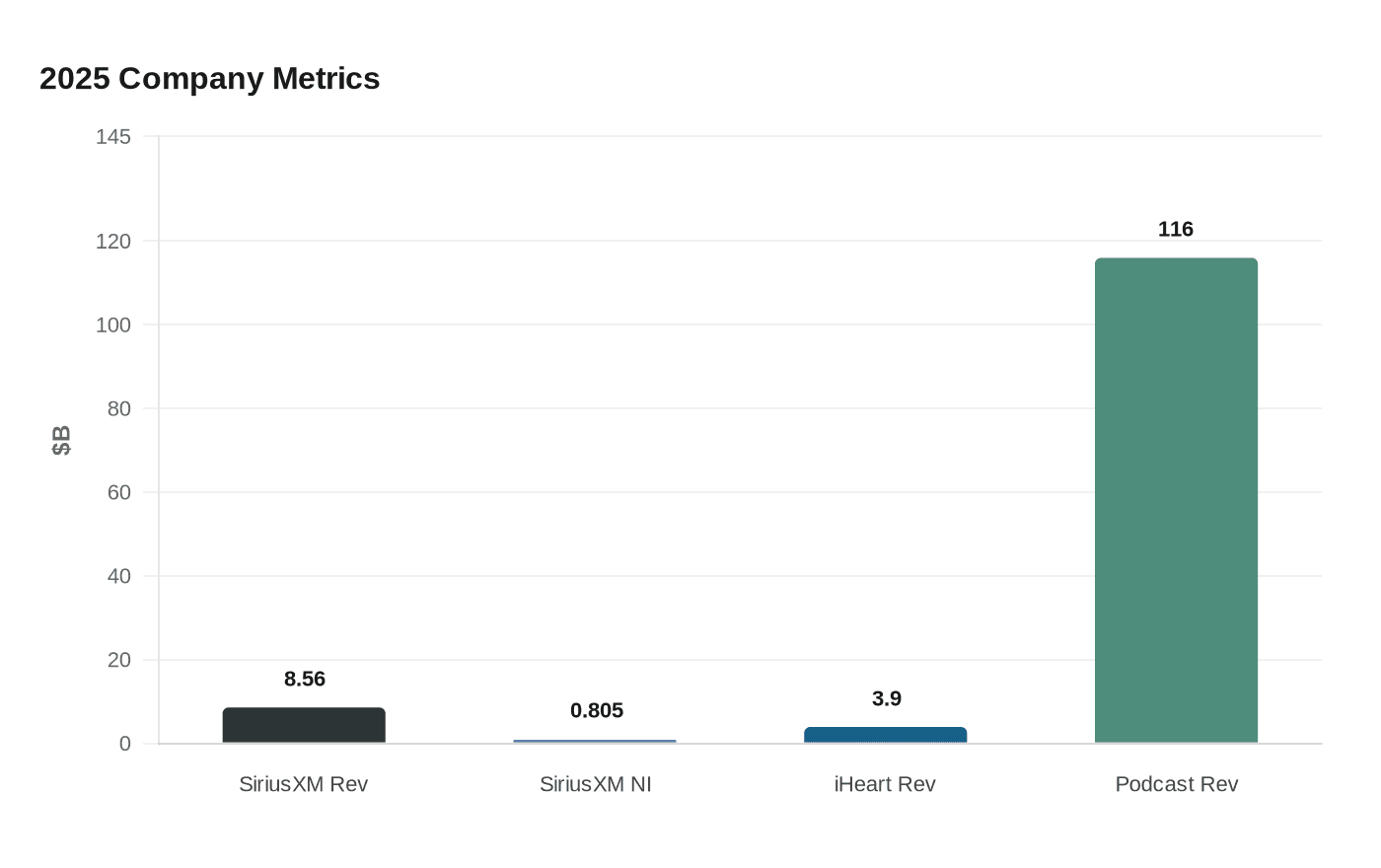
The timing adds pressure. SiriusXM is scheduled to report quarterly earnings on April 30, 2026, followed by iHeartMedia’s first-quarter report on May 11, 2026. iHeartMedia’s digital audio group has continued to grow even as broadcast radio remains its largest source of revenue, and its first-quarter 2025 podcast revenue rose 28% to $116 million, with digital audio revenue up 16% on podcast advertising growth. SiriusXM, meanwhile, reported 2025 revenue of $8.56 billion and net income of $805 million, while iHeartMedia reported about $3.865 billion to $3.9 billion in 2025 revenue.
The companies are no strangers to pressure from changes in how Americans consume audio and how advertisers spend. SiriusXM completed its split-off and merger with Liberty Media on September 9, 2024, then began trading as a standalone company under the SIRI symbol the next day. Any transaction now would likely face scrutiny from the Federal Communications Commission and antitrust regulators because it would unite the largest U.S. broadcast radio operator with the biggest satellite radio service.
Irving Azoff has been linked to efforts to facilitate the discussions, and Apollo Global Management has also been reported as involved. For now, the talks remain just that, but the prospect of a combined audio giant has already forced a sharper question: how much consolidation can radio and podcasting absorb before listeners start hearing less variety, not more.
This article was produced by Prism’s automated news system from verified source data, official records, and press releases, then run through automated quality and moderation checks before publishing. The system is built and supervised by the people who set the standards it runs under. Read our full AI policy.
Did this article answer your question?

