Illinois Providers Say $193 Million Annual Rural Grants Won't Cover Medicaid Cuts
Illinois was awarded about $193 million a year for five years to expand rural health care, but providers warn the grants will not offset deep federal Medicaid cuts that could strain local services.
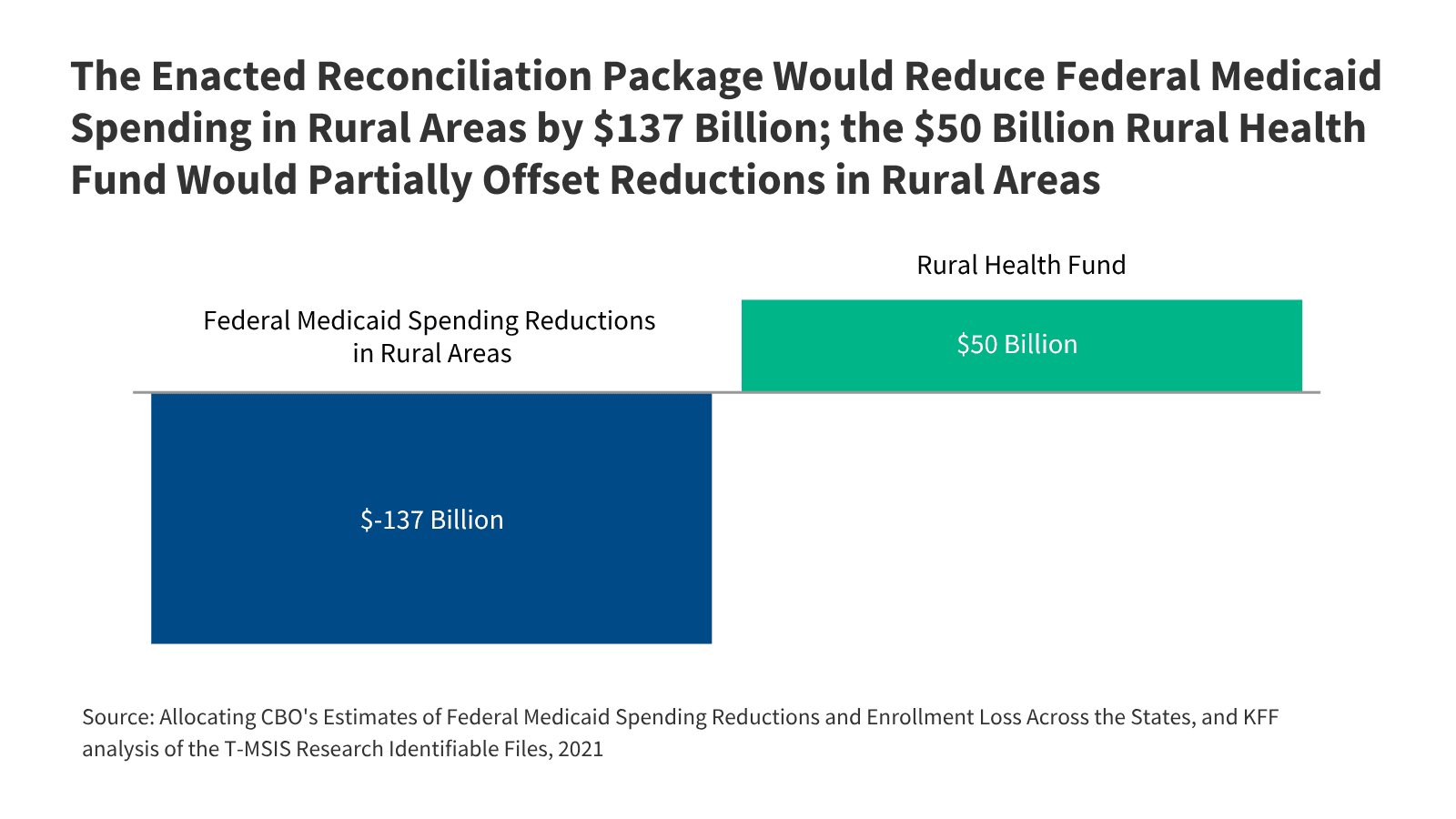
Illinois was awarded roughly $193 million each year for the next five years to expand health care access in rural areas, but hospital leaders say that amount will not make up for federal Medicaid reductions that are looming.
The federal program targets approximately 1.9 million rural Illinoisians, an amount that works out to about $101 annually per rural resident. State officials say the grants will be used to broaden existing Healthcare Transformation Collaboratives launched in 2021, which seek to have providers share resources and expand preventive and specialty services across communities. "Team-based care, in partnership with hospitals and primary care practices, looks to improve access to care for rural residents by building out infrastructure and technology in order to increase access to specialty services, transform healthcare delivery, and overcome known geographic barriers for these communities," HFS said in an emailed statement.
Providers, however, caution the funding does not address the larger financial picture. Jordan Powell, senior vice president of health policy and finance for the Illinois Health and Hospital Association, said, "These funds are good, and we're going to put them to good use, but it's not a solution." Powell added, "It's not going to mitigate the impact of the significant Medicaid cuts that are coming our way."
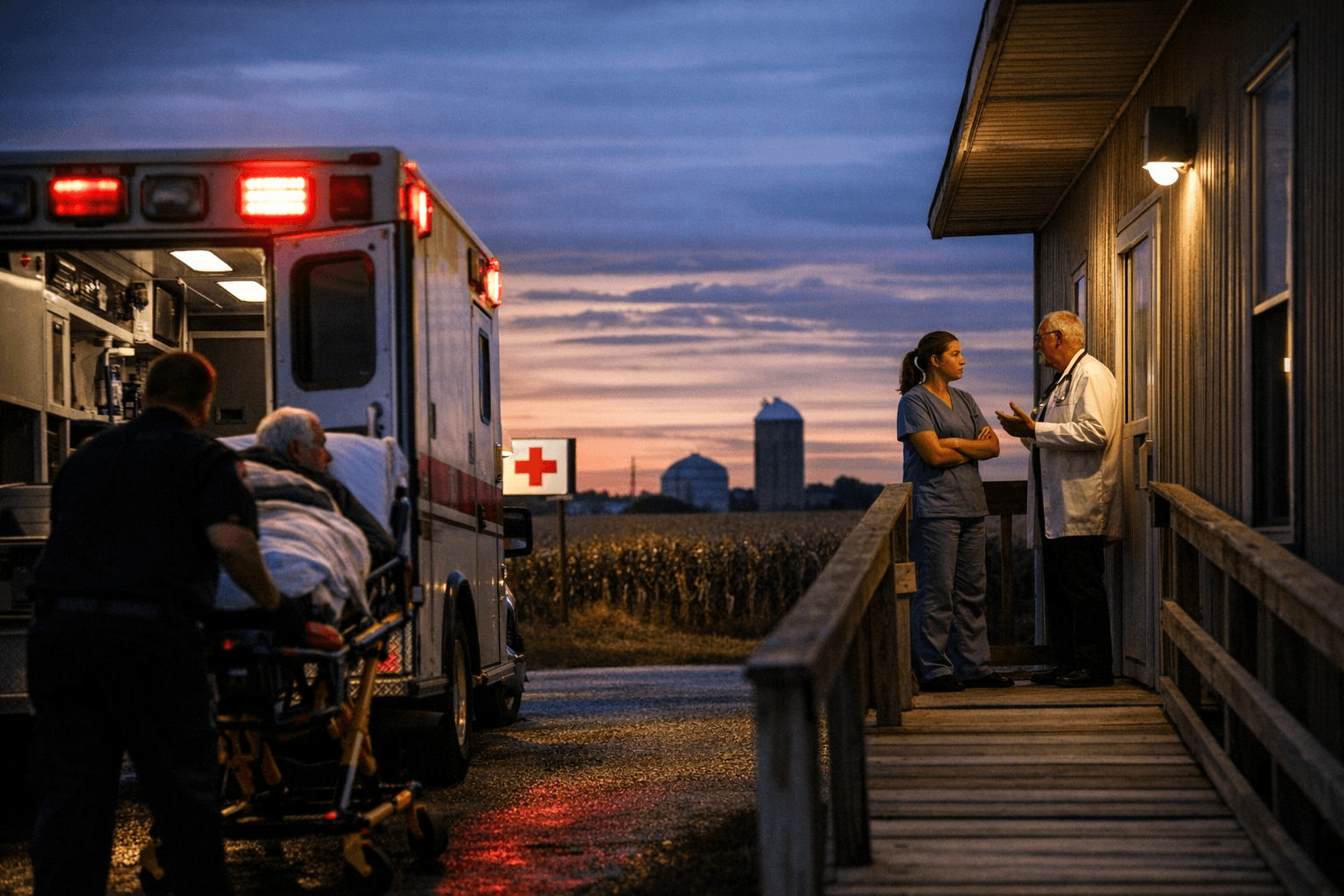
The grants come from a $50 billion federal Rural Health Transformation Program created alongside legislation that also cut federal Medicaid spending. The same legislation enacted nearly $1 trillion in Medicaid reductions over the next decade, and a KFF analysis estimates $137 billion of those cuts will hit rural areas. That rural share alone is larger than the new national fund, underscoring what providers call a scale mismatch between the support offered and the funding lost.
Federal implementation includes a new CMS Office of Rural Health Transformation to oversee the program, and states are expected to begin work immediately. Funding will be allocated over five years with $10 billion available annually from 2026 through 2030, and awards for 2027 are due to be announced in October 2026. Some funding is conditional: states could receive larger awards by promising to adopt policy priorities promoted by the administration, and failure to meet commitments could reduce future awards or require repayment. "This is not a threat," Oz said. "This is actually an empowering element of the One Big Beautiful Bill." Bennett also warned of practical limits on transformation, saying, "It's really hard to think about transformation if you're trying to keep your doors open and employees employed and patients served."
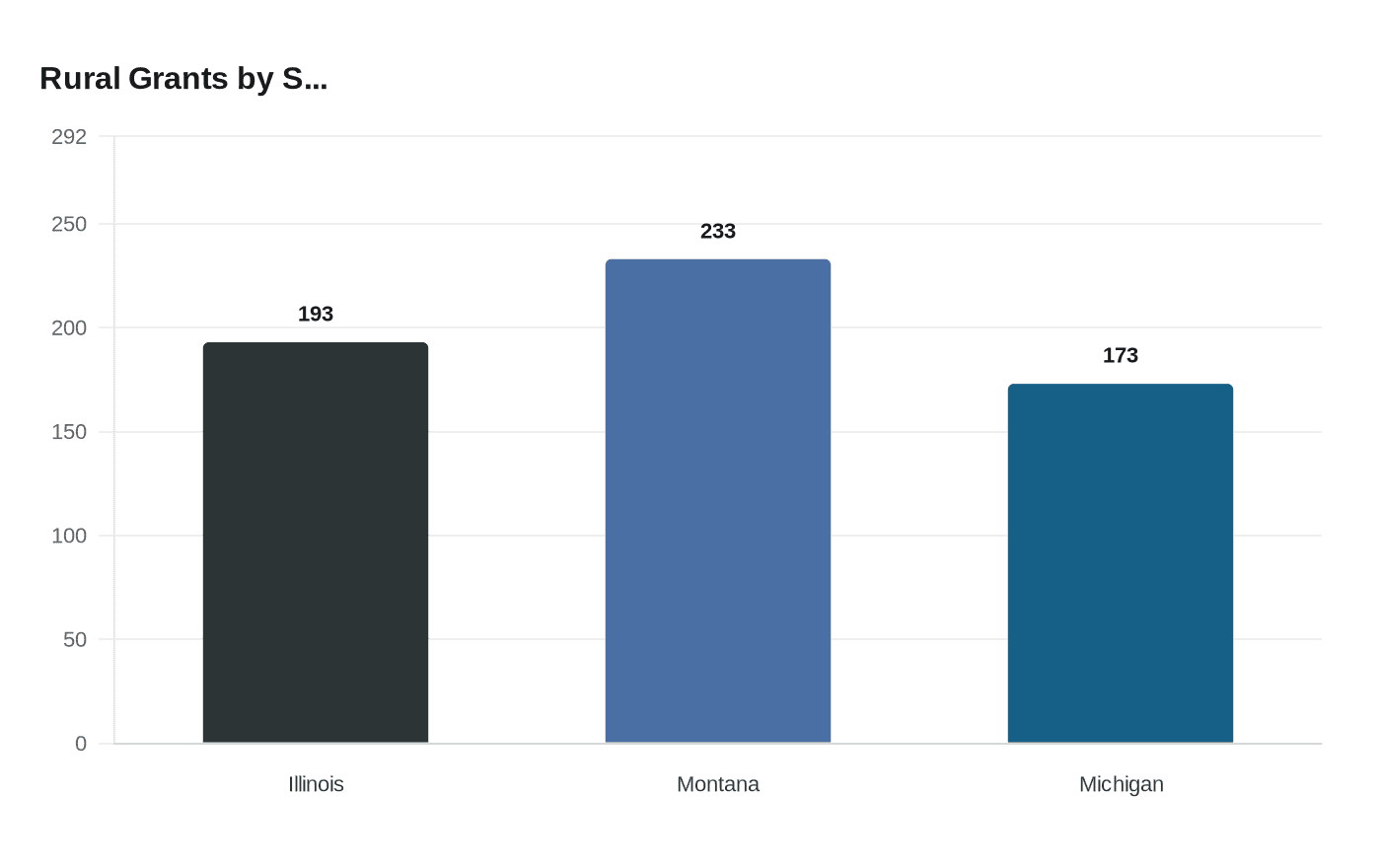
Other states have received different award sizes. Montana reported $233 million and leaders there described rapid approval and urgent local need. Michigan received $173 million; Elizabeth Hertel, director of the Michigan Department of Health and Human Services, said the state supports "a resilient and innovative rural health system where every resident has access to high-quality care close to home." Gov. Gretchen Whitmer said the investment will "support access to health care for rural communities across Michigan as we deal with funding shortfalls caused by federal Medicaid cuts."
For Morgan County, the $101-per-person figure highlights a familiar reality: small per-capita sums are unlikely to replace steady Medicaid revenue hospitals and clinics rely on. HFS says the collaboratives offer a framework to expand services locally, but providers urge closer detail on how the money will be spent and whether it will be sustained. The coming months will show how Illinois plans to deploy the funds, and whether state and local strategies can blunt the effects of broader Medicaid reductions on rural hospitals, clinics, and the patients who depend on them.
Sources:
Know something we missed? Have a correction or additional information?
Submit a Tip