Ilminster Roman ring bought for over $100,000, will go on display
A detectorist’s muddy-field find became a six-figure Roman ring and a test of who profits when buried history surfaces.
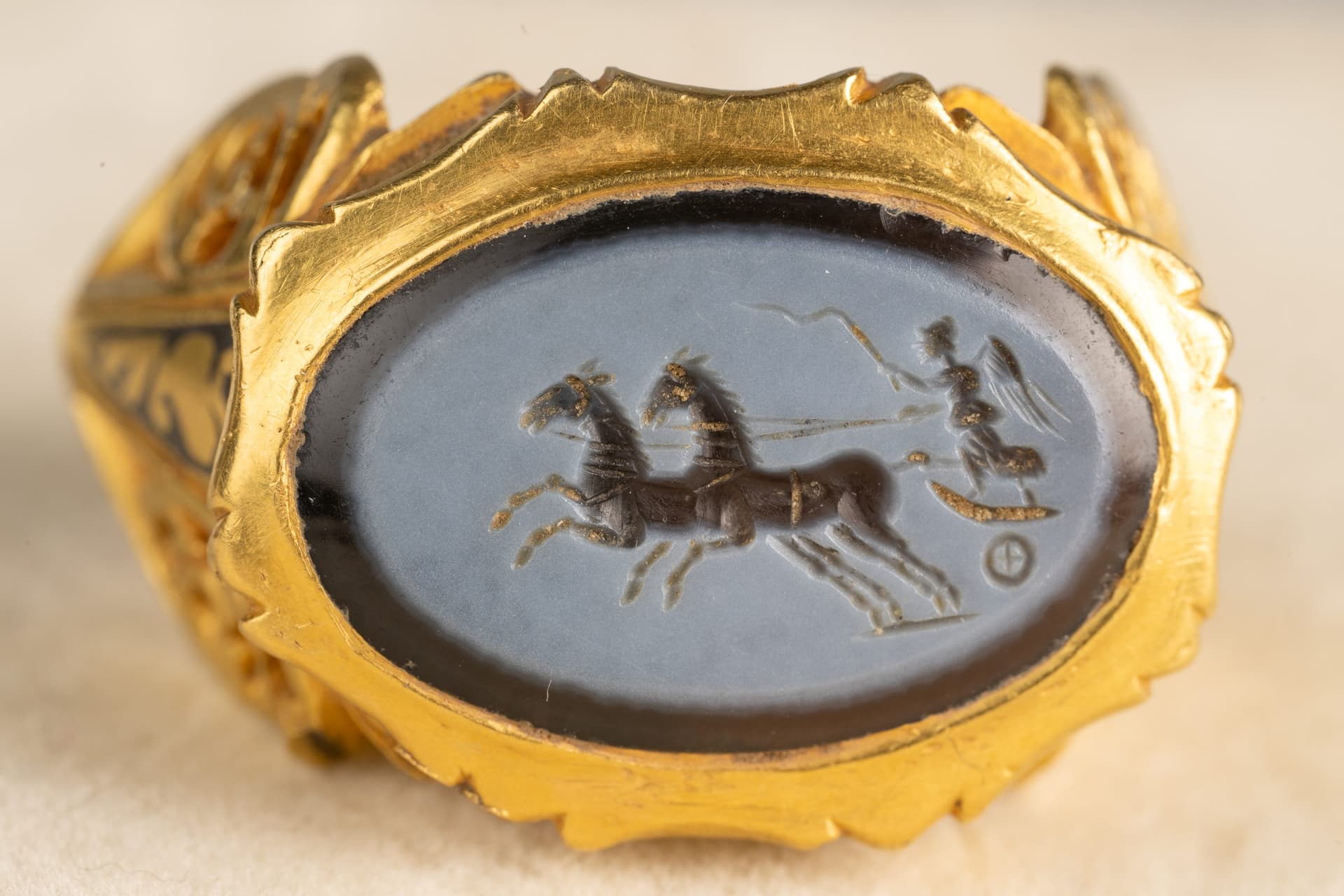
Kevin Minto’s chance discovery in a Somerset field has turned into a rare public asset, but only after a chain of private permissions, public grants and museum rescue work. The Ilminster Ring, found in 2018 near Ilminster with the landowner’s permission, was acquired this week by the South West Heritage Trust along with a related hoard of 297 Roman coins for £78,010, a purchase supported by Arts Council England’s V&A Purchase Grant Fund, Art Fund with a contribution from the Wolfson Foundation, The Headley Trust and local supporters.
The ring itself helps explain why museums and the antiquities market keep colliding over Roman-era finds. Dating to around AD 297, it weighs 48 grams and carries unusually elaborate goldwork around a finely engraved gemstone intaglio of Victoria, the Roman goddess of victory, driving a two-horse chariot. Curators have described it as exceptional in scale and artistry, with only continental discoveries offering close comparisons. Researchers believe it probably belonged to someone important in Roman Britain and may have been worn for special occasions or ceremonial use.
Its archaeological value goes beyond beauty. Experts think the ring was buried shortly after AD 297 as part of a hoard that also included coins, lead and pottery objects, at a time when south Somerset was unsettled during AD 286 to 296. That context gives the find social as well as artistic weight: a luxury object, hidden with everyday material, preserving a moment when Roman residents in the region were navigating instability rather than simply living in imperial order. In that sense, the ring is not just treasure but evidence of anxiety, adaptation and status in late Roman Britain.
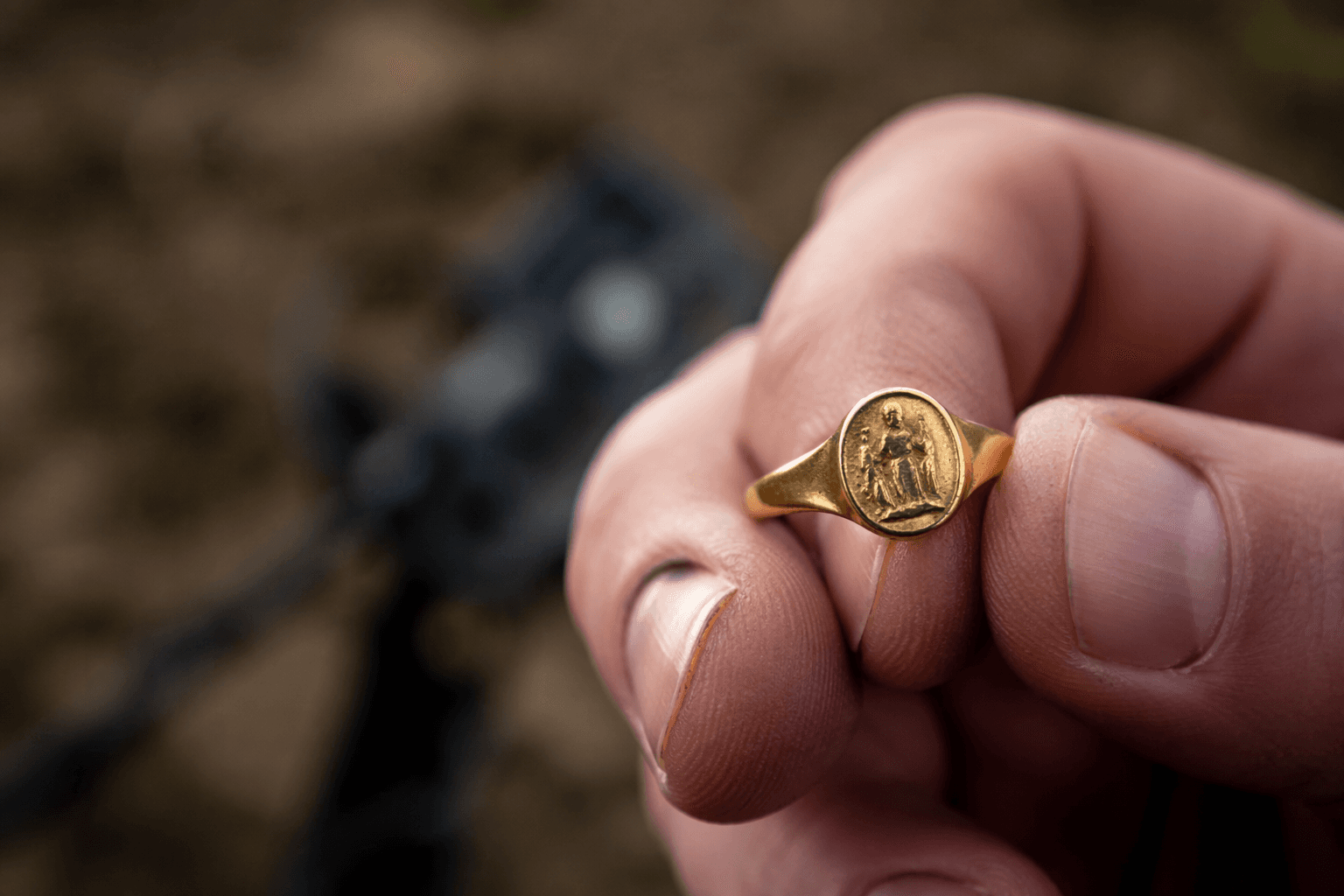
The route from field to display also exposes how preservation now depends on a mixed economy. An amateur metal detectorist made the find, a landowner allowed the search, the heritage trust assembled the funding, and museum staff will now conserve the ring before it reaches the Museum of Somerset in Taunton. The trust has said the ring will significantly strengthen the Roman collections already on view there, while community outreach is planned for June, including school visits, and an Ilminster Ring Discovery Day at Ilminster Arts Centre on 20 August. For Somerset, the ring adds to a growing record of major discoveries that includes the Frome Hoard and the Chew Valley Hoard, but it also raises the same question each new treasure does: does the system reward stewardship, private windfalls, or broad public access to the past?
This article was produced by Prism’s automated news system from verified source data, official records, and press releases, then run through automated quality and moderation checks before publishing. The system is built and supervised by the people who set the standards it runs under. Read our full AI policy.
Did this article answer your question?