Images From Runways, Retail and Celebrities Reveal Heirloom-Like Jewelry Shift
Prism News’ 100-image roundup spotlights a clear jewelry pivot: runways, retailers and celebrities are favoring everyday pieces that wear like accessible heirlooms.
Images have always been jewelry’s shorthand — a single photograph can tell a story about scale, finish and who a piece is for. Prism News’ 100-item visual roundup, dated Feb. 24 and published Feb. 28, 2026, makes that case in miniature: by tracking image-driven signals across runways, retail and celebrity dressing, the collection identifies a distinct pivot toward pieces that feel like heirlooms you could actually live in.
What the roundup calls “heirloom-like” is not nostalgia for ornate victorian excess but a return to jewelry that looks worn-in, durable and deliberately personal. Across the 100 images, motifs repeat: low-slung chains and signet-like silhouettes, lockets and charms with room for engraving, and gold finishes that read textured rather than mirror-bright. Because the Prism News selection spans runway photography, store merchandising and on-the-street celebrity shots, the signal isn’t a moment on a catwalk—it is a retailable aesthetic that celebrities and shop windows are already translating into everyday wardrobes.
The visual thread matters because images compress manufacture, styling and wear into a single, readable frame. By collecting 100 images dated Feb. 24 and analyzed in the Feb. 28 roundup, the project highlights how runway styling and celebrity dressing amplify retail choices. When a chain is layered under a coat on a model photographed for show imagery and then resurfaces the same week in storefront windows and a public figure’s off-duty look, the styling cues become consumer-ready. That cross-channel echo is precisely what makes this shift commercially meaningful: designers and buyers see the same visual language and respond with product that reads familiar, durable and intimate.
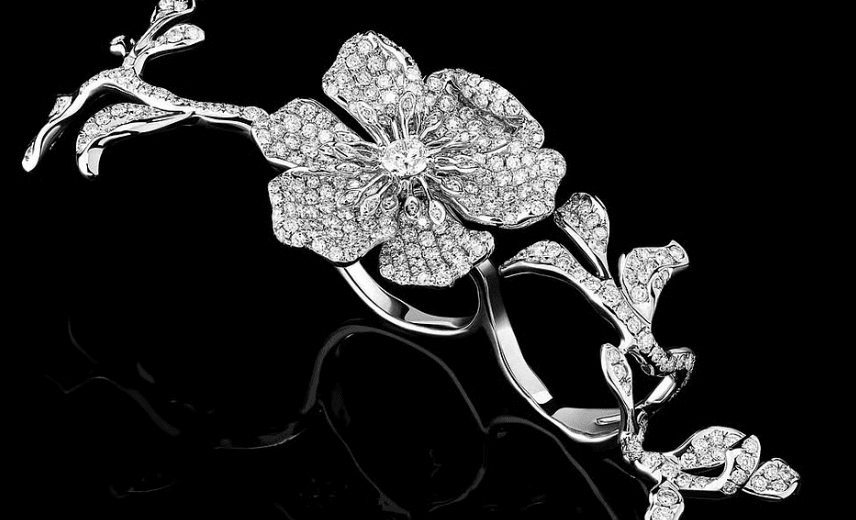
Craft and finish are the signals that make a modern piece read like an heirloom. In the photos that populate the roundup, finishes skew away from high-polish mirror surfaces and toward satin, hammered and brushed textures that tolerate everyday wear. From a gemological standpoint that matters: bezel settings, which surround a stone in metal, appear in many of the images because they protect edges and read substantial on the finger or pendant; by contrast, prong settings—more open and scintillating—read more overtly “red carpet” and less like a piece meant for daily wear. Choosing a bezel over a prong is a design decision with practical consequences: protection for soft gems, a lower profile that tucks under clothing, and the visual density that reads as inherited rather than seasonal.
Metal choice and karat also contribute to the heirloom tone visible across the roundup. The images tend to favor the body and weight of 14k to 18k gold finishes: enough gold content to patina elegantly over time, while remaining hard enough for daily wear. Mixed metals show up in layered looks, reinforcing the idea that heirloom pieces don’t need to match perfectly; the effect is curated, not precious-box perfect. Retail translation—one of the prism’s explicit beats—means these finishes are being rendered into price points and SKUs that invite wear: accessible gold vermeil chains, solid-gold signets with relaxed profiles, and lockets sized for daily use rather than display.
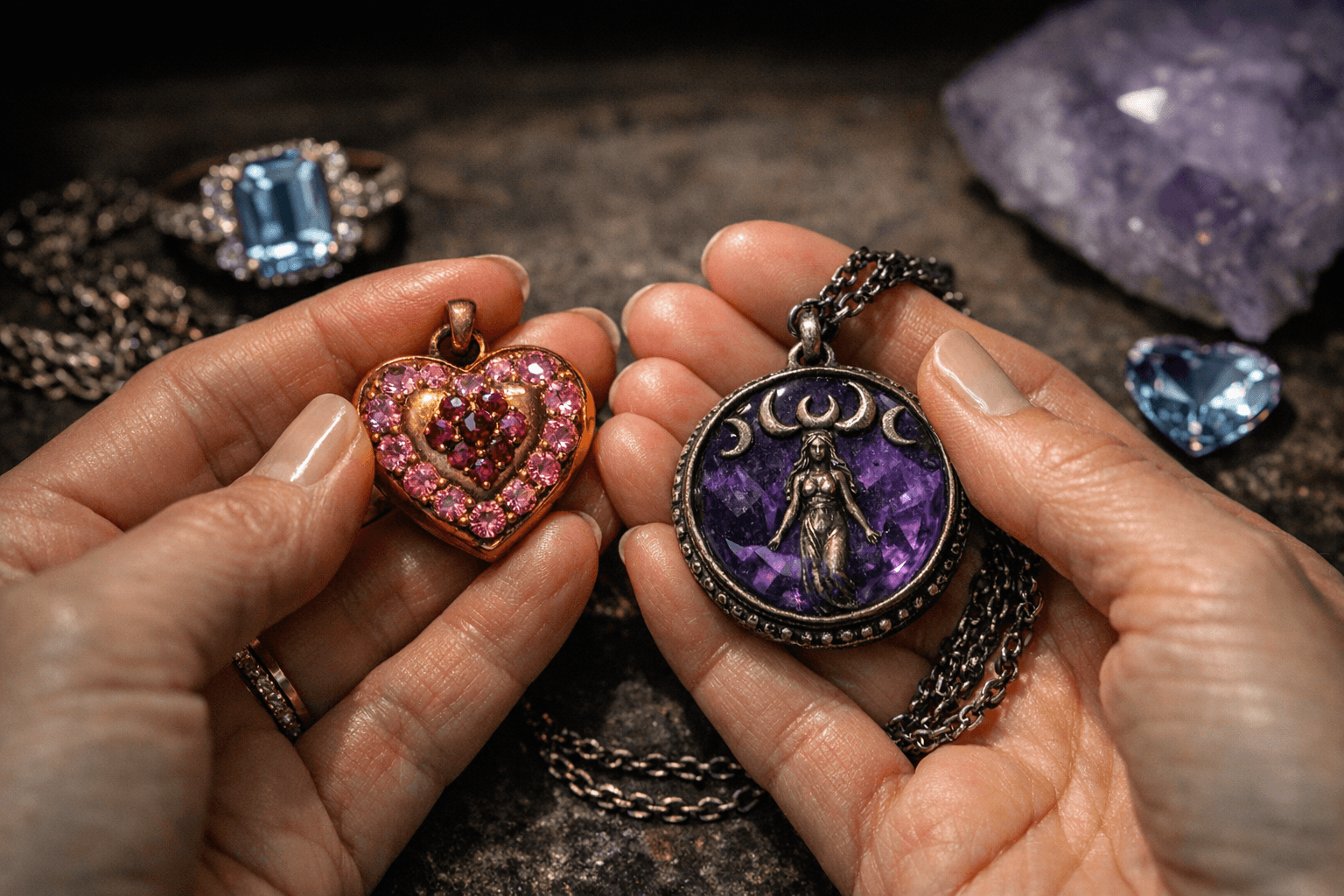
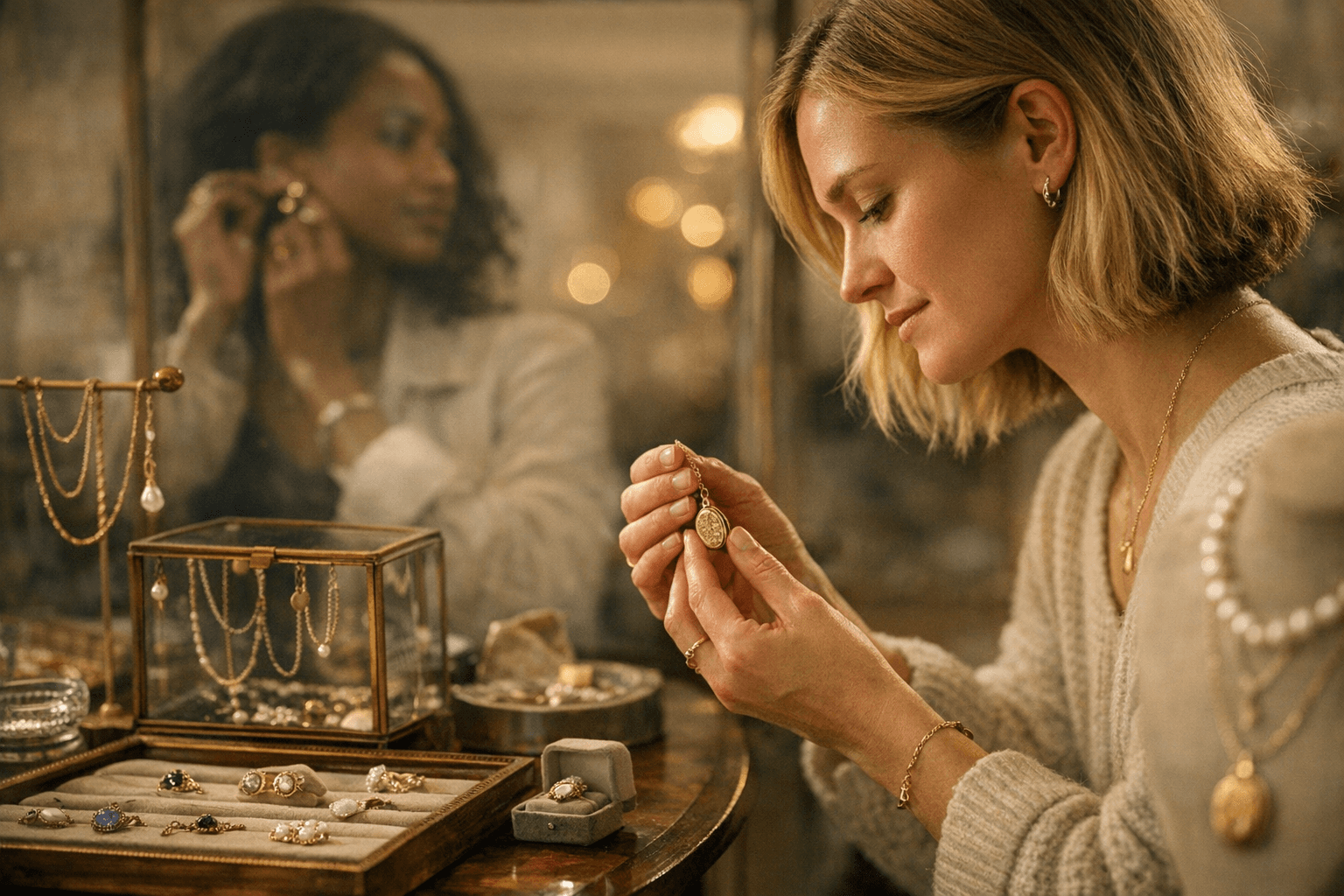
Personalization is the other critical language the roundup surfaces. Lockets, initialed signets, and charm necklaces recur across runway and street images, suggesting a cultural appetite for pieces that carry a story. The retail examples called out in the Feb. 28 coverage show how merchants are leaning into that appetite with modular formats—charms that click onto chains, pendants designed for engraving, and chain links sized for later resizing or repair. These are all design choices that prioritize a longer life for the object, and they align with the visual messages Prism News captured on Feb. 24: jewelry that accrues memory rather than discarding it with each season.
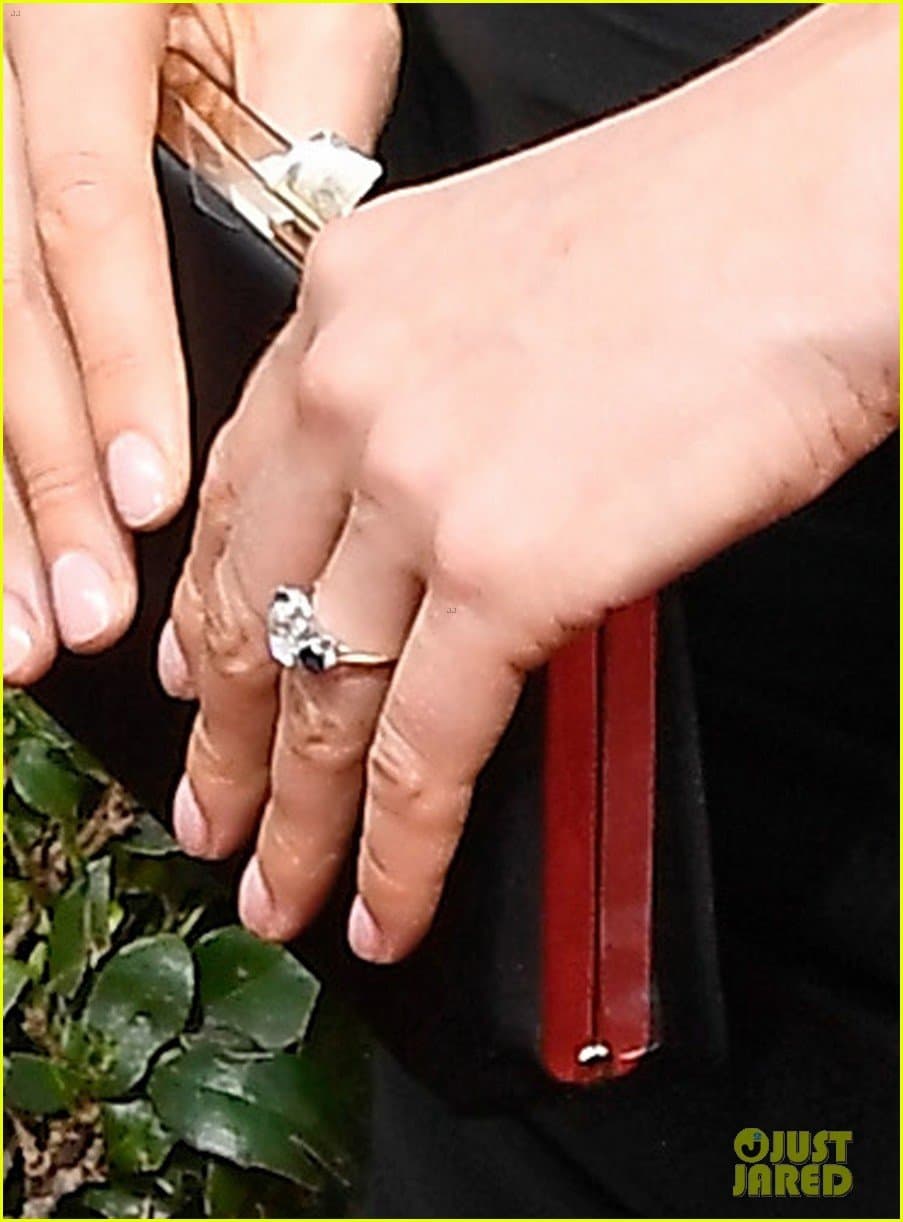
Celebrities function here as the accelerant. In the roundup’s celebrity images, jewelry is frequently worn in an unstudied way—stacked rings on both hands, solitary pendants at collarbone length, and a single meaningful piece worn against streetwear or tailored suiting. That approach sends a clear retail cue: consumers want pieces that integrate into existing wardrobes, not focal jewels that require a complete outfit reset. By documenting how public figures layer and live with these pieces, the 100-image roundup made plain the market demand for accessible heirloom aesthetics.
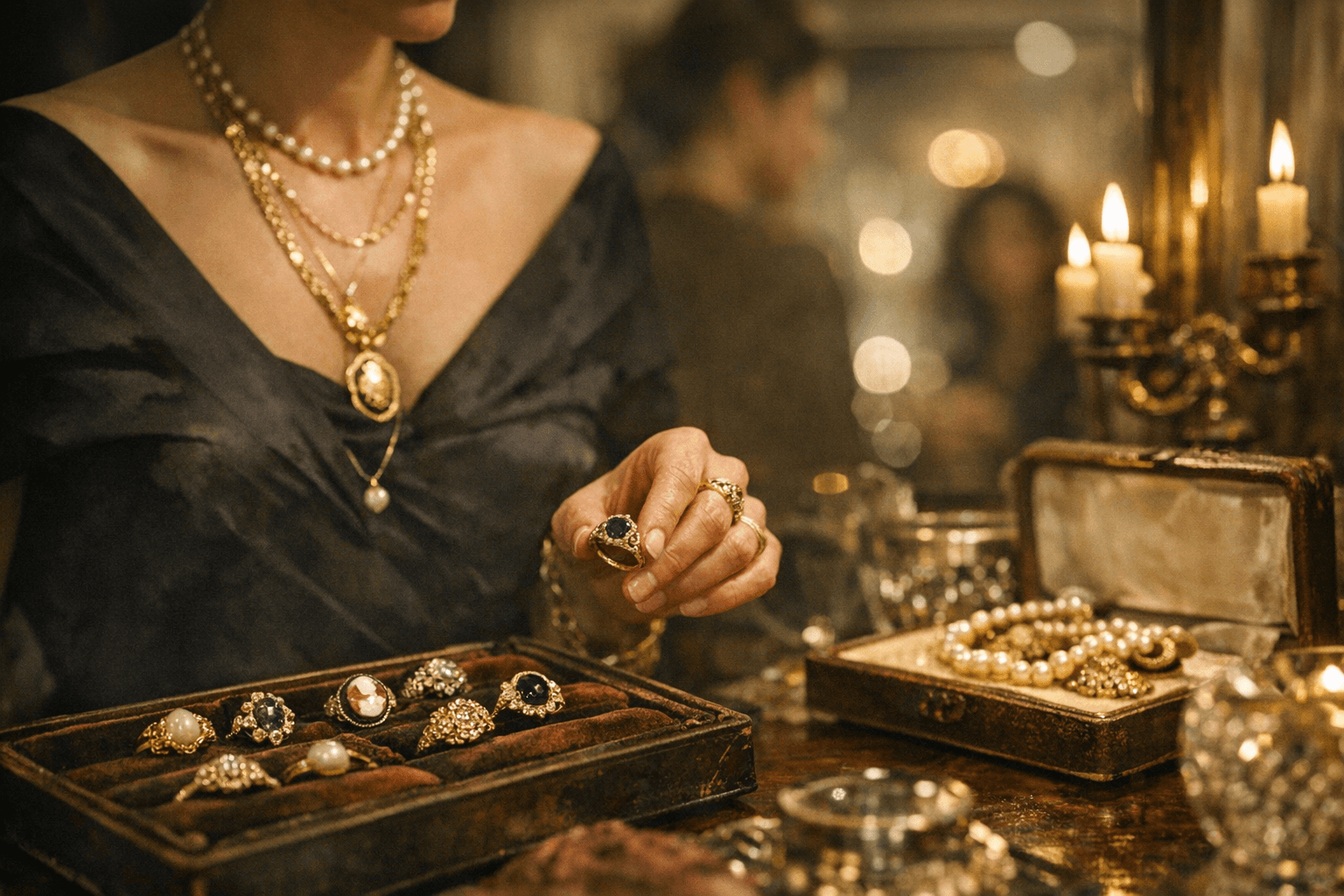
Retailers are already responding, and the Feb. 28 collection of images highlights those concrete responses without relying on speculative trendspeak. Merchants are stocking signet-style bands with modernized proportions, offering lockets with streamlined hinges and secure clasps, and merchandising chains with sturdier lobster or barrel closures rather than delicate spring rings. Those small technical choices—soldered jump rings, reinforced clasps, and settings that protect the stone—are the difference between jewelry that survives a decade of wear and jewelry that becomes a cost to repair.
- construction details: soldered links and reinforced clasps as proof the piece is built for daily life;
- setting type: choose bezels or flush settings for soft stones or active wear; reserve high-prong settings for occasional jewels;
- metal weight: heavier gauge chains and 14k–18k gold options that will age with patina rather than show dents immediately;
- personalization options: engravable fields, modular charms, or designs that can be augmented over time.
For collectors and first-time buyers reading the visual cues captured in the roundup, selection should hinge on a few practical criteria drawn from the images and from craft. Look for:
Those are not stylistic dicta so much as shop-floor checklists—things the Prism News images repeatedly implied between the runway shots and retail displays.
This pivot toward heirloom-like jewelry also has implications for value and the secondhand market. Pieces designed to be worn and repaired hold provenance more clearly; a signet passed through three wearers with a soft patina and re-engraving reads like a true heirloom in resale photography. The Feb. 24 images and the Feb. 28 roundup crystallize that movement: visible wear and personalized marks are no longer seen as defects but as part of an object’s biography.
If there is a single editorial takeaway from the 100-image exercise, it is that jewelry’s future is not only about novelty but about endurance. The images Prism News curated show designers, retailers and celebrities converging on workmanlike luxury—gold that is built to be touched, settings that shelter stones, and forms that invite individual stories. For anyone buying now, the smartest investment is a piece whose construction, finish and capacity for personalization all signal that it was meant to be lived in. That is the heirloom promise the roundup made visible: jewelry that carries a life, not just a look.
Know something we missed? Have a correction or additional information?
Submit a Tip