IMF warns as Asian governments rush to shield economies
IMF warns Asia faces energy-driven shocks; South Korea markets plunged over 12 percent and countries from Vietnam to Fiji are expanding fuel measures.
The International Monetary Fund signaled alarm as Asian governments rolled out emergency measures to blunt a spike in energy prices and market volatility triggered by a US–Israeli strike on Iran on Feb. 28 and Tehran’s subsequent counterstrike. IMF managing director Kristalina Georgieva, speaking in Bangkok, said, "This conflict, if it proves to be more prolonged, has obvious potential to affect global energy prices, market sentiment, growth, and inflation, placing new demands on policymakers."
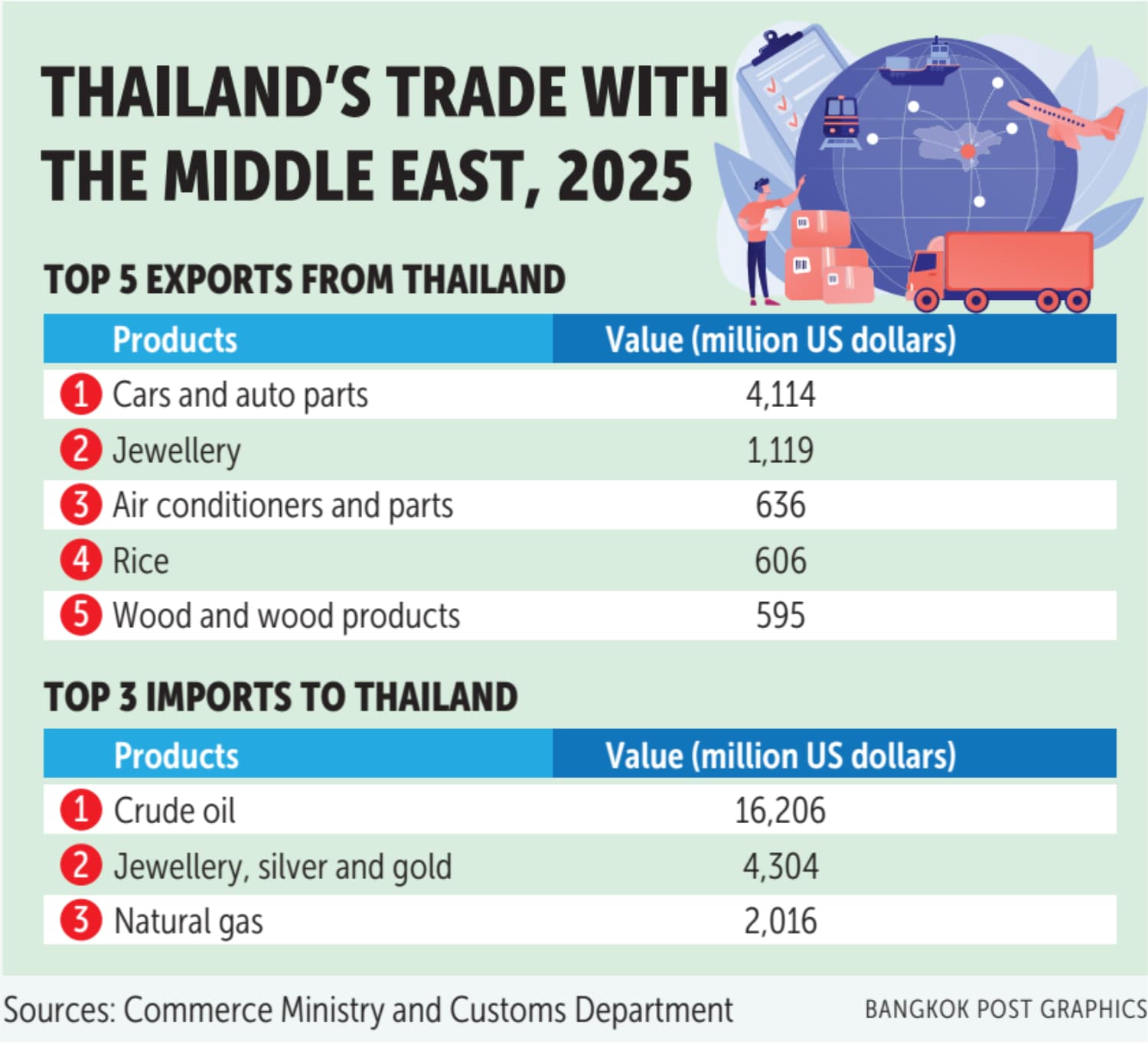
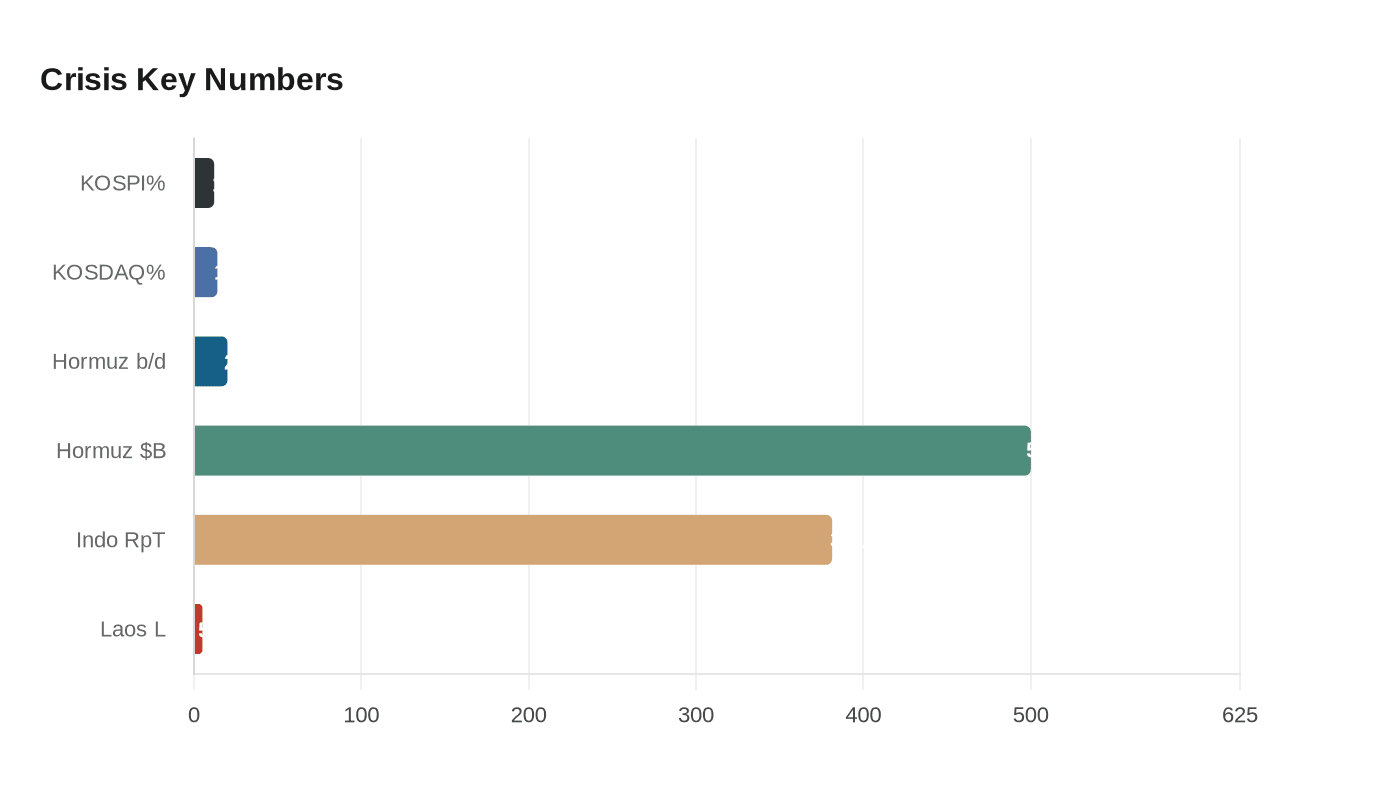
The warning landed as markets and policy rooms across the region moved from contingency planning to action. In East Asia, South Korea felt the shock most visibly: the KOSPI and KOSDAQ plunged 12.06 percent and 14 percent respectively earlier this week before staging a dramatic rebound, episodes that underscored how rapidly investor sentiment can swing when oil and shipping routes are threatened. Trendsresearch highlighted the strategic vulnerability of energy transit through the Strait of Hormuz, quoting the U.S. Energy Information Administration as saying about 20 million barrels of oil, worth roughly $500 billion in annual trade, transited that chokepoint each day in 2024.
Governments have responded with an array of fiscal and administrative measures designed to cushion consumers and firms. Vietnam removed import tariffs on fuel products through at least the end of April and set up an energy market task force to monitor supplies. Indonesia increased subsidies and has allocated 381.3 trillion rupiah for energy support and compensation to state energy firms, with officials warning the figure may rise if prices climb further. The Philippines reported a 50-to-60-day oil buffer and is working to stagger pump-price adjustments to ease household burdens. Laos limited retail fuel sales to containers no larger than five liters to prevent panic buying and assured steady import lines.

Small and low-income economies face particular peril. The Asia-Pacific Regulatory Center warned Pacific Island countries to brace for mounting strain because of heavy reliance on imported fuel and goods. Sri Lanka, still recovering from a recent economic crisis, emphasized neutrality while preparing contingency plans, facilitating shipping and exploring alternative air travel arrangements; Foreign Minister Vijitha Herath has been conducting diplomatic outreach to Gulf counterparts as officials weigh measures to support ports, tourism and investment in digital infrastructure.
Policymakers are weighing broader tradeoffs. Trendsresearch cites Janet Yellen as saying, "the conflict could hit U.S. economic growth and fuel inflationary pressures, holding the Federal Reserve back from cutting rates." At the same time, some analysts are more sanguine: Holmes, quoted by TheMorning.lk, said he "does not expect a repeat of the inflation surge seen after Russia’s invasion of Ukraine in 2022. Global inflation conditions today are significantly more subdued."
Beyond macroeconomic figures, the crisis threatens public health and social equity. Rising fuel and food costs increase transportation and logistics expenses for clinics and hospitals, squeeze household budgets for medicine and nutritious food, and put pressure on emergency services in rural and remote communities. Countries with limited social safety nets, including island states and low-income South Asian populations, will feel those burdens first unless targeted subsidies and cash transfers reach the most vulnerable.
Regional leaders pushed for coordinated resilience. Cambodian Prime Minister Hun Manet urged ASEAN to diversify energy sources, deepen economic integration and build stronger crisis coordination. If the conflict persists, the region faces a clear policy choice: deploy temporary supports to protect low-income households and health services now, or tolerate a deeper and more unequal shock to growth and public well-being later.
This article was produced by Prism’s automated news system from verified source data, official records, and press releases, then run through automated quality and moderation checks before publishing. The system is built and supervised by the people who set the standards it runs under. Read our full AI policy.
Did this article answer your question?

