Immediate Help in San Juan County for Mental-Health, Substance-Use, Domestic-Violence, Homelessness
San Juan County emergency responders advise: call 911 for immediate danger, 988 for mental-health crises, and use 2-1-1 or the National Domestic Violence Hotline for shelter and safety options.
San Juan County Sheriff's Office and the county health officials say immediate action matters: call 911 if anyone is in danger, use 988 for suicidal or acute behavioral-health crises, and contact 2-1-1 or the National Domestic Violence Hotline for shelter placements and safety planning. This guide, current as of March 1, 2026, lays out clear first steps and local pathways for mental-health, substance-use, domestic-violence, and homelessness emergencies.
1. Mental-health crises — immediate triage
If someone is at imminent risk of harming themselves or others, call 911 and request a medical or crisis response unit from the San Juan County Sheriff's Office or local police department. For non-life‑threatening but urgent behavioral-health crises — severe panic, psychosis, or suicidal ideation — call 988, the national Suicide & Crisis Lifeline, which provides confidential support and can connect you to mobile crisis teams or local behavioral-health providers. If you can, tell dispatch whether the person has access to weapons, current medications, or known diagnoses; that information helps first responders and clinicians stabilize the situation faster.
2. Mental-health crises — local follow-up care
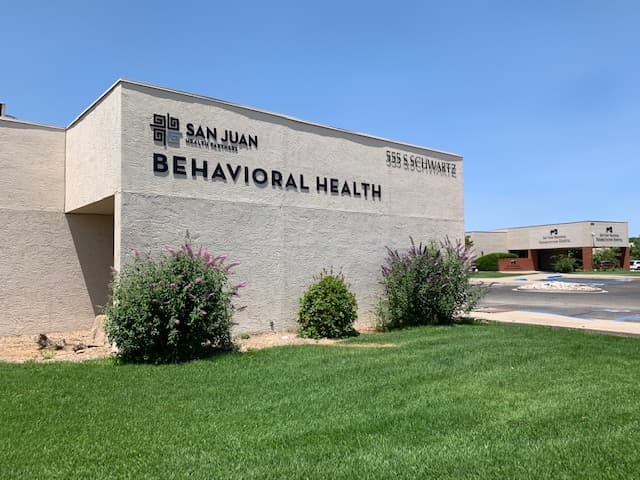
After stabilization at the scene or emergency department, follow up with the county behavioral-health office or the nearest hospital emergency department in Farmington or Monticello for referral to outpatient counseling, medication management, or intensive outpatient programs. Ask for scheduling a same-week appointment with a licensed local clinician or a telehealth session when in-person care isn’t available. Keep documentation of discharge instructions and any prescribed medications; these details speed continuity of care with county services.
3. Substance-use emergencies — overdose and withdrawal
For suspected overdose, call 911 immediately and administer naloxone if available and trained to do so; naloxone reverses opioid overdoses and is increasingly carried by local first responders. For non-fatal but urgent substance-related crises — severe withdrawal, intoxication with dangerous behavior, or concurrent mental-health destabilization — request emergency medical transport; emergency departments in San Juan County can begin medically supervised withdrawal management and refer patients to treatment. After the immediate crisis, contact the SAMHSA national helpline (1-800-662-HELP) or your county behavioral-health intake to locate medication-assisted treatment (buprenorphine or methadone), outpatient counseling, and local peer-recovery support.
4. Substance-use emergencies — harm reduction and follow-up
If you or a loved one uses substances, connect with harm-reduction services for overdose education, naloxone distribution, and safer-use information; ask county health officials where distribution events are scheduled. Enroll in follow-up programs—peer recovery coaches, outpatient medication-assisted treatment, or intensive outpatient programs—to reduce readmission and repeated emergency calls. Keep a written plan with emergency contacts, the nearest emergency department, and instructions about what to do if relapse or withdrawal signs appear.
5. Domestic-violence immediate safety — when leaving is urgent
If you are in immediate danger from a partner or household member, call 911 and request that officers take a protective action or an emergency order be facilitated. The San Juan County Sheriff's Office and local police can assist with emergency protective orders and transport to a safe location. If you cannot speak, use 911's silent-call protocols or, if safe, reach the National Domestic Violence Hotline at 1-800-799-7233 (SAFE) to arrange confidential safety planning and referrals to local shelters.
6. Domestic-violence safety planning and local resources
If it's safe to plan a departure, prepare a bag with identification, medication, keys, cash, and any essential documents; leave copies with a trusted friend or store them digitally if possible. The National Domestic Violence Hotline and 2-1-1 can identify immediate shelter beds in San Juan County or nearby cities and can provide legal-referral contacts for protective orders and family-law assistance. Preserve evidence of abuse—texts, photos, medical records—and take note of dates and times; this documentation supports protective orders and criminal complaints.
7. Homelessness — immediate shelter and warming/cooling options
For immediate shelter needs or a cooling/warming center, contact 2-1-1 to locate available emergency shelter beds in San Juan County or the nearest community with openings; 2-1-1 operators can also connect you to county housing navigators and coordinated entry systems. If someone's health is at risk due to exposure, call 911 so emergency medical services can respond and arrange transport to a medical facility or an emergency shelter. Keep a list of local service-entry points—county human services, faith-based outreach programs, and community action agencies—to ensure follow-up after placement.
8. Homelessness — housing navigation and benefits
After securing immediate safety, meet with the county's housing navigator or the coordinated entry intake to apply for longer-term housing assistance, rental aid, or housing vouchers. Ask about eligibility for emergency rental assistance, transitional housing, and case management services that prioritize families, veterans, and people with disabilities. Collect documentation—IDs, pay stubs, rental history—before appointments to speed placement and follow up weekly until a stable housing plan is in place.
9. How to prepare a single emergency packet
Assemble a compact emergency packet you can carry or hide: government IDs, medication list, emergency contacts, a small amount of cash, and a printed copy of local crisis numbers (911, 988, 2-1-1, National Domestic Violence Hotline, SAMHSA helpline). Keep one packet on your person and one with a trusted friend or locked in your vehicle, and update it quarterly. This packet reduces delay when first responders or shelters ask for essentials during intake.
10. What to expect from first responders and emergency departments
When you call 911 or arrive at a hospital, expect triage focused on immediate safety, medical stabilization, and a determination of next-step care: inpatient admission, psychiatric hold, referral to a mobile crisis team, or discharge with outpatient follow-up. Ask the responding officer or triage nurse for the name and contact of the clinician or caseworker assigned; that single contact accelerates follow-up appointments and service coordination across county programs.
Final note: These steps are current as of March 1, 2026, and prioritize immediate safety first—call 911 for threats to life, 988 for mental-health crises, and 2-1-1 or the National Domestic Violence Hotline for shelter and safety planning—then use county behavioral-health and housing navigators to secure ongoing care and stability. Acute crises are solvable with quick action and the right local connections; keep this guide accessible and share it with family members, neighbors, and anyone who might need it.
Sources:
Know something we missed? Have a correction or additional information?
Submit a Tip