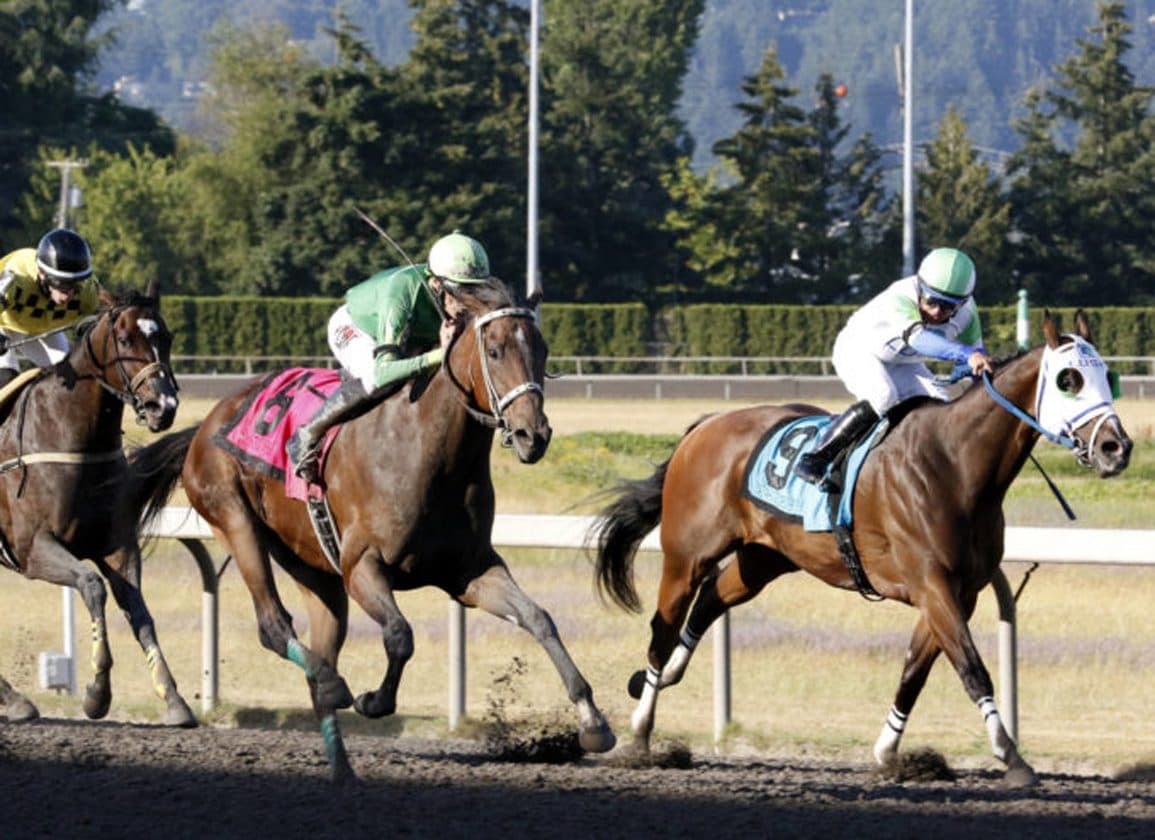
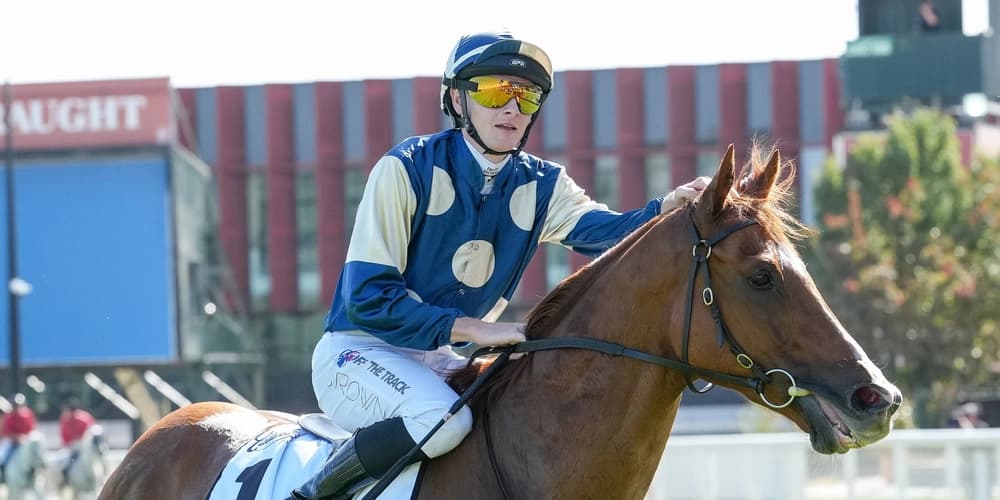
Imported Thoroughbreds, Regulatory Gaps Put Guyana Racing Under Scrutiny
At least 21 horses from Brazil and seven 2-year-olds from Miami are en route as Guyana builds toward an August 17 Guyana Cup that critics say lacks a functioning studbook.
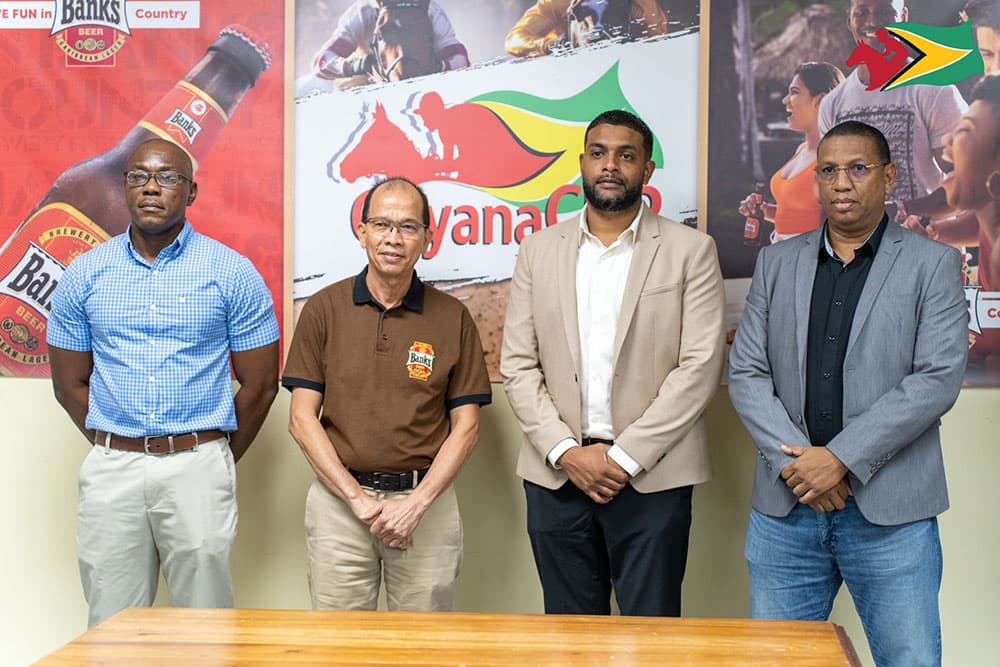
At least 21 horses are confirmed to be en route from Brazil, with an additional seven 2-year-olds coming in from Miami, creating immediate questions about registration and traceability as Guyana ramps up for an August 17 Guyana Cup that organizers are calling the 17th edition. Stabroek News reported the import surge after the launch of the Guyana Cup program, and promoter Nasrudeen Jr. Mohamed announced two new races and technical upgrades at the launch that local coverage described as having “triggered the frenzy.”
The Stabroek News rollout named the Open Juvenile, “open exclusively to imported 2-year-olds born in 2023,” and a new Derby billed to “feature a high-stakes battle between Brazilian and West Indian-bred horses—races never before run on Guyanese soil.” Mohamed credited “the unwavering support of the Ministry of Culture, Youth and Sport and the Government of Guyana” and said the moves were made possible through “newly passed horse racing legislation.” Olympic Kremlin is listed to defend its title on August 17, a detail that tightens the calendar for incoming shipments and stables preparing entries.
That surge is colliding with scathing industry warnings about governance and welfare. Pastthewire labeled the situation a “Wild West” of undocumented imports, saying it is “a landscape of undocumented imports and zero regulatory guardrails” and warning “how easily the North American Thoroughbred can slip off the grid.” The same commentary states bluntly that “Guyana has no approved studbook and its racing authority remains a body on paper only,” a claim that raises immediate questions about who will verify pedigrees, issue registrations, and enforce veterinary standards for the 28-plus incoming horses.
Regulatory experts point to the American Stud Book framework to underscore the gap. Pastthewire quoted the rules: “Under Rule 10 of the Principal Rules and Requirements of The American Stud Book, strict ‘Certificates of Exportation’ are required for horses moving to international jurisdictions.” The commentary argues that other classification anomalies, such as the Jockey Club’s designation of Puerto Rico as “domestic,” have already produced welfare problems, calling that arrangement “a legal fiction” and saying “Once a horse reaches Puerto Rico, it enters a jurisdiction plagued by documented welfare crisis.”
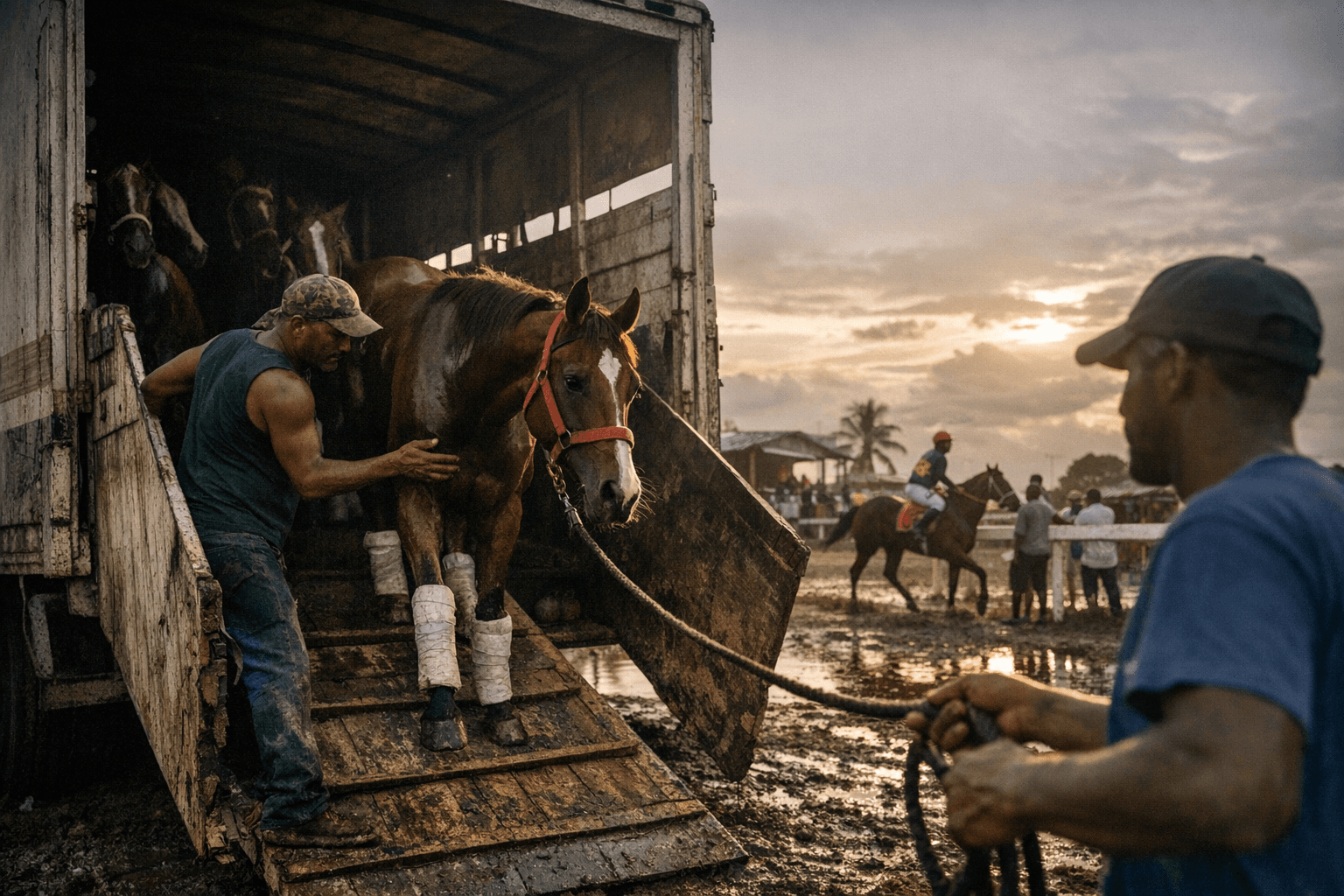
Industry pressure has followed those warnings. Pastthewire says it sent “In our Open Letter to the Board of Stewards, we demanded that The Jockey Club treat these high-risk shipments with the gravity they deserve. To date, those demands have been met with administrative silence.” The piece also notes that tracks such as Gulfstream Park “have shown leadership by banning individuals who ship to these areas,” though no Gulfstream statement or named bans are provided in the supplied material.
Meanwhile Paulick Report republished by a national outlet flagged “significant regulatory and administrative gaps that complicate international movement, documentation, and oversight of imported racehorses,” and added that “Guyana's horse racing remains unregulated despite approval of a new authority in 2025. · Political turmoil and delayed board appointments stall” the operationalization of that authority. The reconciliation across reporting is stark: Guyana has newly passed legislation and a public launch, but multiple observers say implementation, studbook approval, and board appointments remain stalled or nonfunctional.
The collision of 21 Brazil imports, seven Miami 2-year-olds, nascent legislation, and industry alarm raises immediate business and welfare stakes for owners, trainers, and international registries as August 17 approaches. With named horses such as Olympic Kremlin entered and promoter Nasrudeen Jr. Mohamed driving the program under government backing, the next steps are procedural and political: who will certify the incoming bloodstock, who will enforce Rule 10-style export documentation, and whether The Jockey Club or other registries will move beyond “administrative silence” before race day.
Know something we missed? Have a correction or additional information?
Submit a Tip