Impulse Space raises $500 million to expand in-space mobility services
Impulse Space landed $500 million and says it will hire up to 200 people, a sign that rocket hardware still depends on scarce engineering labor.

Impulse Space has raised $500 million in a Series D round, a deal that lifts the in-space mobility startup past $1 billion in total capital and underscores how much the aerospace business still relies on experienced engineers, machinists and test teams. The company said the new money will go toward hiring and manufacturing growth, while Reuters reported a post-money valuation of about $4.26 billion and TechCrunch said the round could support as many as 200 new hires.
The message from Eric Romo, Impulse Space’s president and chief operating officer, runs against the louder AI-first script that has taken hold across Silicon Valley. Physical systems still need people who can design, build, qualify and fly hardware that has to work in orbit, where mistakes are measured in lost missions and broken payloads. Romo said the company aims to scale “without compromising the quality and speed of execution” that define Impulse, a reminder that in aerospace, speed matters only if reliability comes with it.

Founded in 2021 by Tom Mueller, a founding member and former propulsion leader at SpaceX, Impulse has built its business around in-space mobility services. That includes orbital transfer vehicles and “space tugs” that move satellites after launch, a niche that has become more valuable as customers look for precise last-mile delivery rather than one-size-fits-all launch. Impulse said it is seeing strong demand across civil, commercial and national security markets, the kind of spread that gives a hardware company leverage even in a volatile funding environment.
The company’s product line centers on Mira, a maneuverable orbital transfer vehicle that Impulse says has flown two missions and can operate in low Earth orbit, medium Earth orbit, geostationary orbit, cislunar space and beyond. Helios, its kick stage, is designed to push payloads from low Earth orbit to higher-energy destinations such as GEO. On its mission timeline, Impulse lists LEO Express 1 in November 2023, LEO Express 2 in January 2025 and LEO Express 3 in 2025, with GEO Express and Caravan missions planned to begin in 2027.
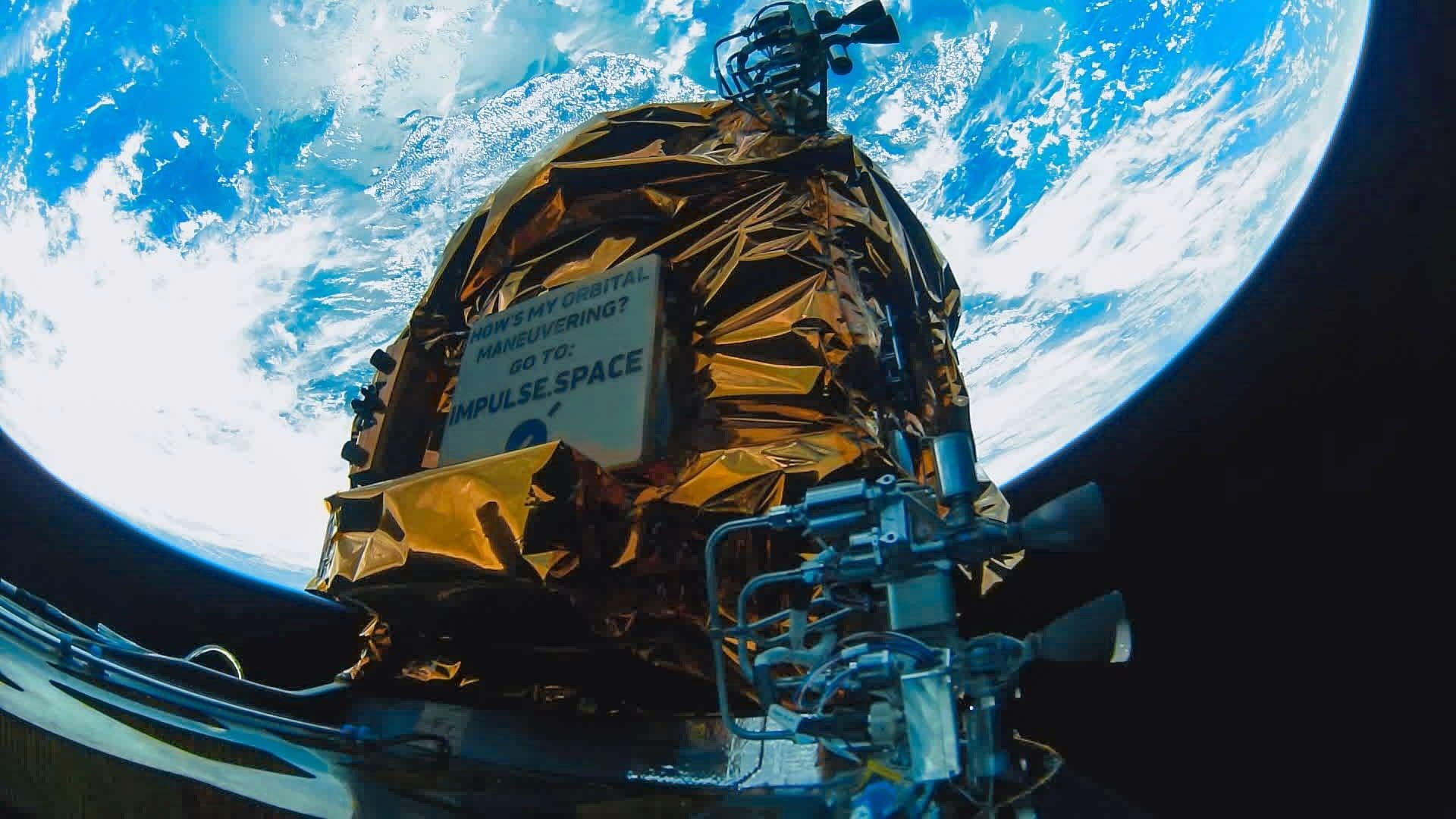
The headcount numbers make the labor story hard to miss. Impulse’s website listed 133 open positions at the time of the crawl, which is a larger signal than any AI pitch deck: the bottleneck in rocket engineering is still human talent. As investors keep funding space companies that must manufacture, test and fly real hardware, Impulse’s latest raise shows that the sector’s next leap is likely to come from hiring skilled people, not replacing them.
This article was produced by Prism’s automated news system from verified source data, official records, and press releases, then run through automated quality and moderation checks before publishing. The system is built and supervised by the people who set the standards it runs under. Read our full AI policy.
Did this article answer your question?


