Incyte blood-cancer drug cuts lymphoma risk, but side effects rise
Monjuvi plus lenalidomide and R-CHOP cut lymphoma progression risk 25%, but severe side effects and treatment stops were more common.

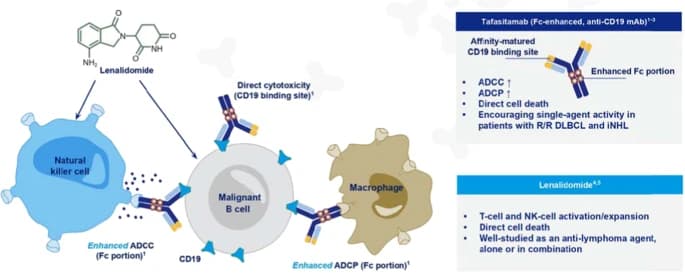
Incyte’s Monjuvi gained ground in newly diagnosed diffuse large B-cell lymphoma, but the benefit came with a heavier toxicity burden that will shape how widely doctors use it. In a phase 3 study of 899 previously untreated, high-intermediate and high-risk patients, the company said adding tafasitamab, the drug sold as Monjuvi, to lenalidomide and R-CHOP reduced the risk of disease progression, relapse or death by 25% versus R-CHOP alone.
The frontMIND trial, a multicenter, randomized, double-blind, placebo-controlled study identified as NCT04824092, showed a hazard ratio of 0.75, with a 95% confidence interval of 0.59 to 0.96 and a P value of .0194. At a median follow-up of 35.2 months, 2-year progression-free survival reached 71.1% with the tafasitamab-lenalidomide-R-CHOP combination versus 62.9% with standard treatment. At 3 years, the figures were 67.3% and 60.7%, respectively.

That efficacy signal matters because diffuse large B-cell lymphoma is the most common form of non-Hodgkin lymphoma and often requires fast, intensive treatment up front. A result that improves progression-free survival in the first-line setting can quickly become important both clinically and commercially, especially if it holds up in longer follow-up and broader use.
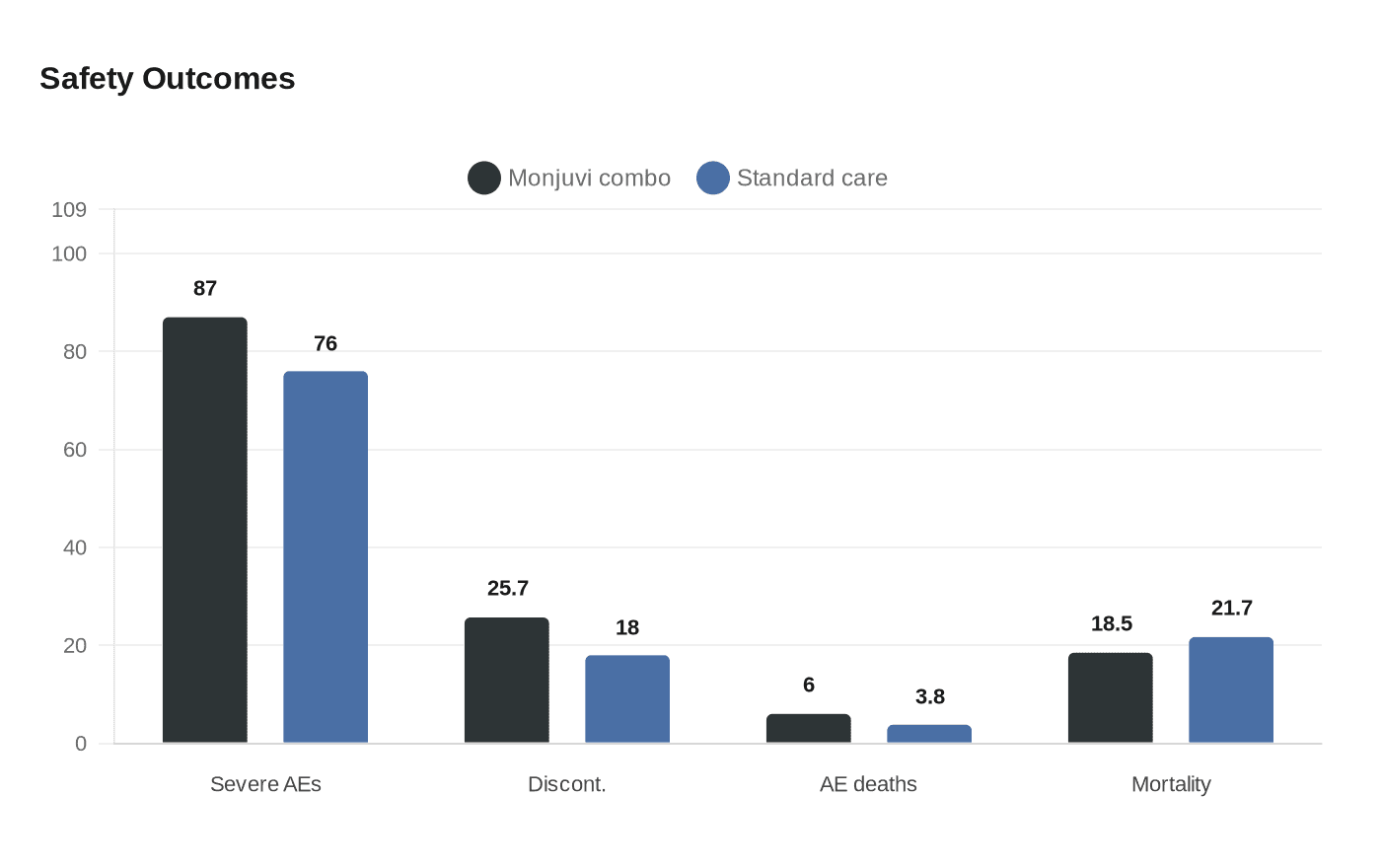
But the treatment tradeoff was clear. Severe adverse events were reported in nearly 87% of patients in the Monjuvi arm, compared with 76% in the standard-care group. Treatment-related discontinuations were higher as well, at 25.7% versus 18%, and deaths listed as due to adverse events were 6% versus 3.8%. Overall mortality was lower in the combination group, 18.5% versus 21.7%, which is why investors and oncologists are still waiting for the full survival picture before declaring the regimen a new standard.
Georg Lenz of University Hospital Münster presented the data at the American Society of Clinical Oncology meeting in Chicago, where the abstract was listed for May 30. Incyte said the results supported global regulatory submissions, adding to the pressure on physicians and regulators to decide whether the extra toxicity is justified by the gain in disease control. Monjuvi is already approved in the United States with lenalidomide for relapsed or refractory DLBCL in adults who are not candidates for autologous stem cell transplant, and also with lenalidomide and rituximab for relapsed or refractory follicular lymphoma. The new data could expand its role, but only if the balance between benefit and side effects proves acceptable in routine practice.
This article was produced by Prism’s automated news system from verified source data, official records, and press releases, then run through automated quality and moderation checks before publishing. The system is built and supervised by the people who set the standards it runs under. Read our full AI policy.
Did this article answer your question?