India, Britain trade pact takes effect, cuts tariffs and expands access
Textile, leather and food exporters won immediate duty-free access as India and Britain activated their pact. Whisky and auto tariffs also began falling.

Textile mills, leather exporters and gem-and-jewellery firms got the fastest lift as India and Britain put their trade pact into force, giving Indian shipments zero-duty access on 99% of exports to the UK. British whisky makers and car exporters also won steep tariff cuts, while services firms on both sides gained broader market access.
The agreement took effect on July 15, 2026, after negotiations concluded on May 6, 2025 and the pact was signed on July 24, 2025. The government in London gave businesses 28 days to prepare. Indian Trade Minister Piyush Goyal called the deal a source of “new avenues for trade, investment and innovation,” and said it would create opportunities for Indian businesses.
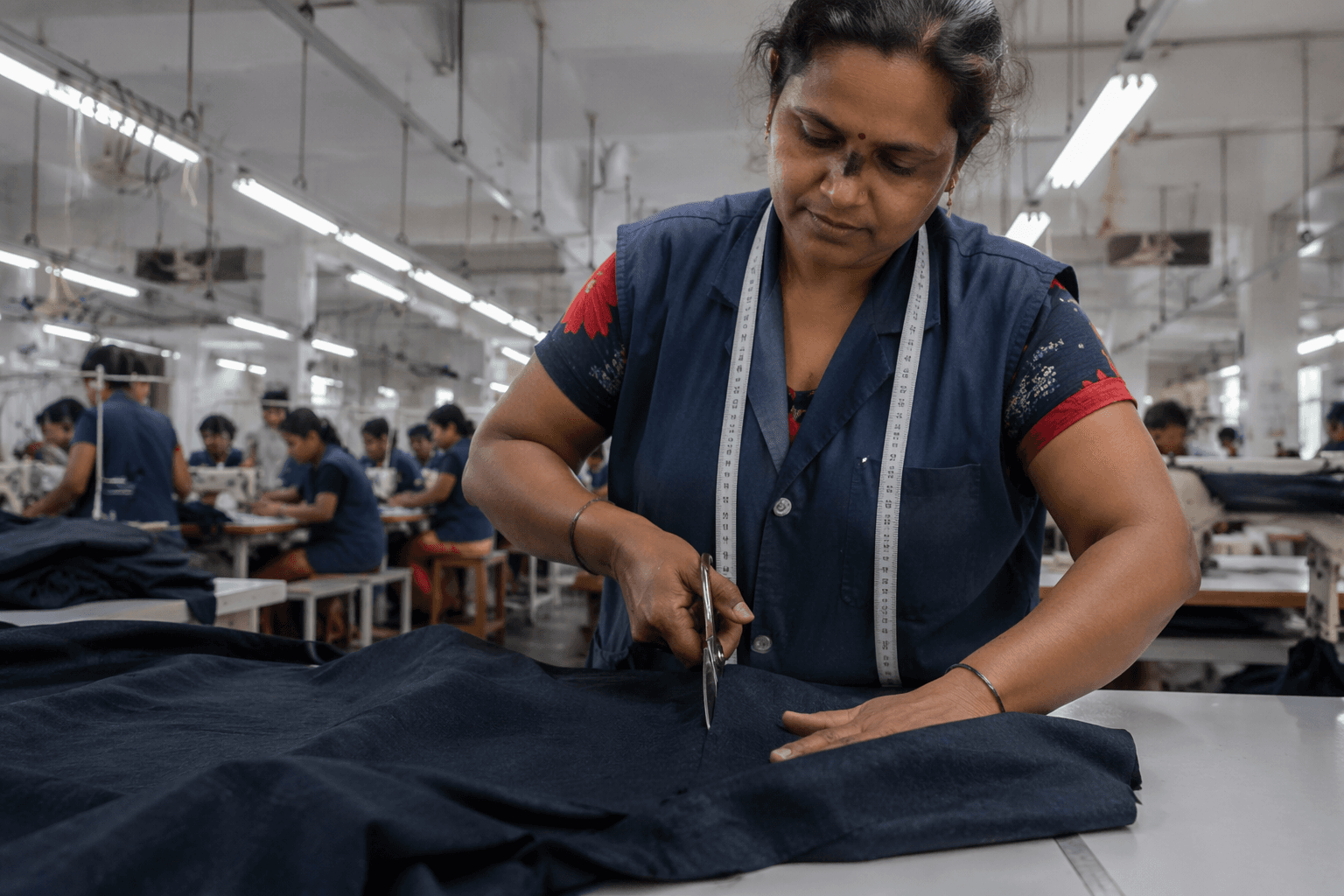
For India, the early winners are concentrated in labour-intensive industries that employ large workforces and compete heavily on price: textiles, leather, footwear, marine products, toys, gems and jewellery, and processed foods. Engineering goods, chemicals and auto components are also beneficiaries. India has opened 89.5% of its tariff lines, covering 91% of UK exports, while bilateral trade stood at about $56 billion when the deal was signed, with both governments aiming to double that by 2030.
The pact widened access for Indian technology and business firms in IT and IT-enabled services, financial and professional services, consulting, education, telecom, architecture and engineering, along with mobility for contractual service suppliers, business visitors, intra-corporate transferees and some independent professionals.
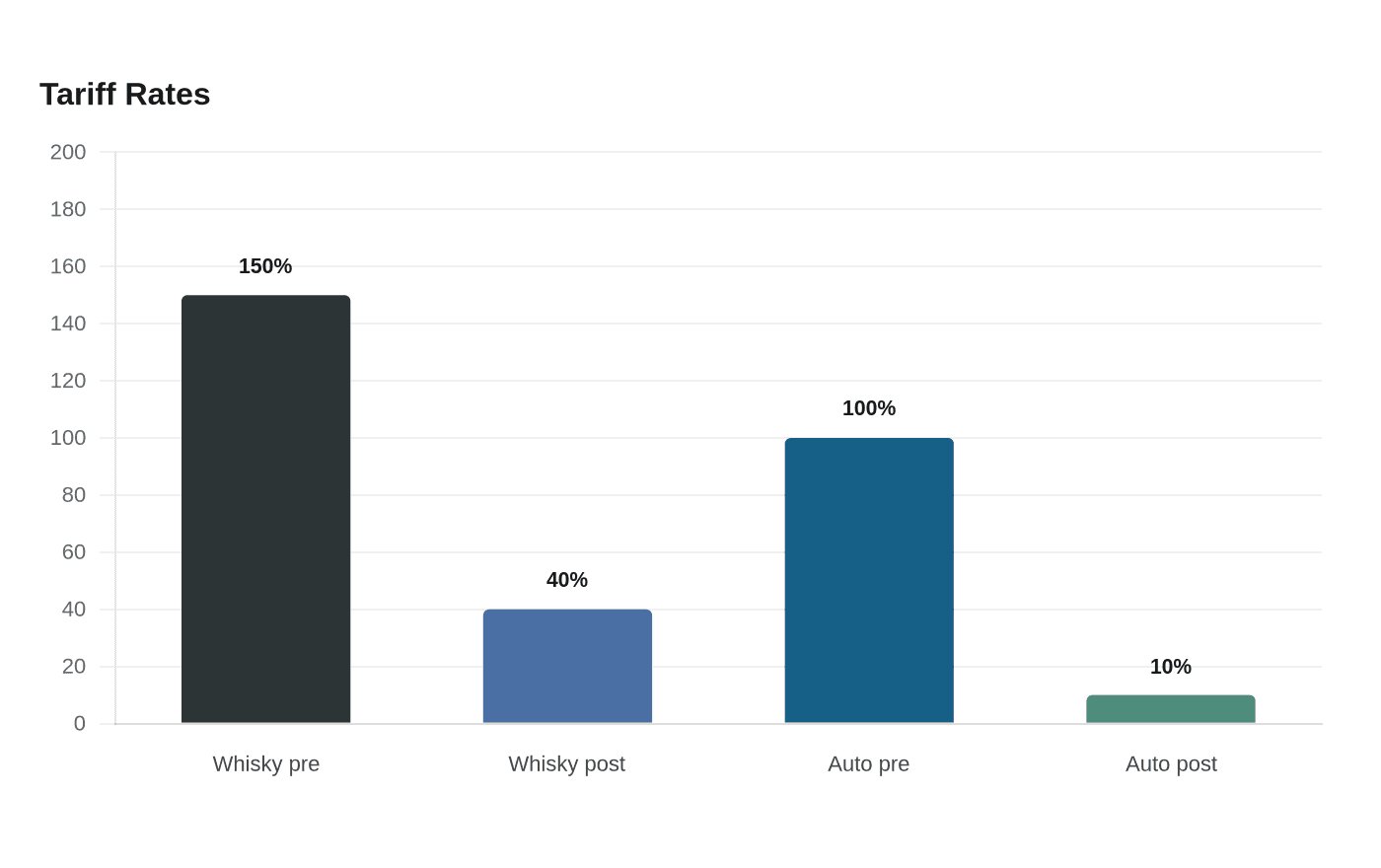
Britain’s clearest gains came in whisky, autos and cosmetics. Whisky tariffs fell from 150% to 40%, while automobile tariffs fell from 100% to 10% under a quota. Britain exported £19 billion of goods and services to India in the year to September 2025 and imported £28 billion, according to the House of Commons Library.
London estimated the pact could add £4.8 billion to UK GDP, lift real wages by £2.2 billion and raise bilateral trade by £25.5 billion a year in the long run. UK officials estimate tariff cuts would be worth £400 million in the first year and £900 million after 10 years. A companion social security accord, the Double Contribution Convention, took effect at the same time and could save Indian firms and workers more than INR 4,000 crore, while extending UK pension-building treatment for British nationals in India from 36 months to 60 months.
This article was produced by Prism’s automated news system from verified source data, official records, and press releases, then run through automated quality and moderation checks before publishing. The system is built and supervised by the people who set the standards it runs under. Read our full AI policy.
Did this article answer your question?

