India raises fuel prices for first time in four years, Reuters reports
India’s first fuel-price hike in four years lifted New Delhi petrol to 97.77 rupees a liter, adding fresh pressure to households already facing higher transport and food costs.
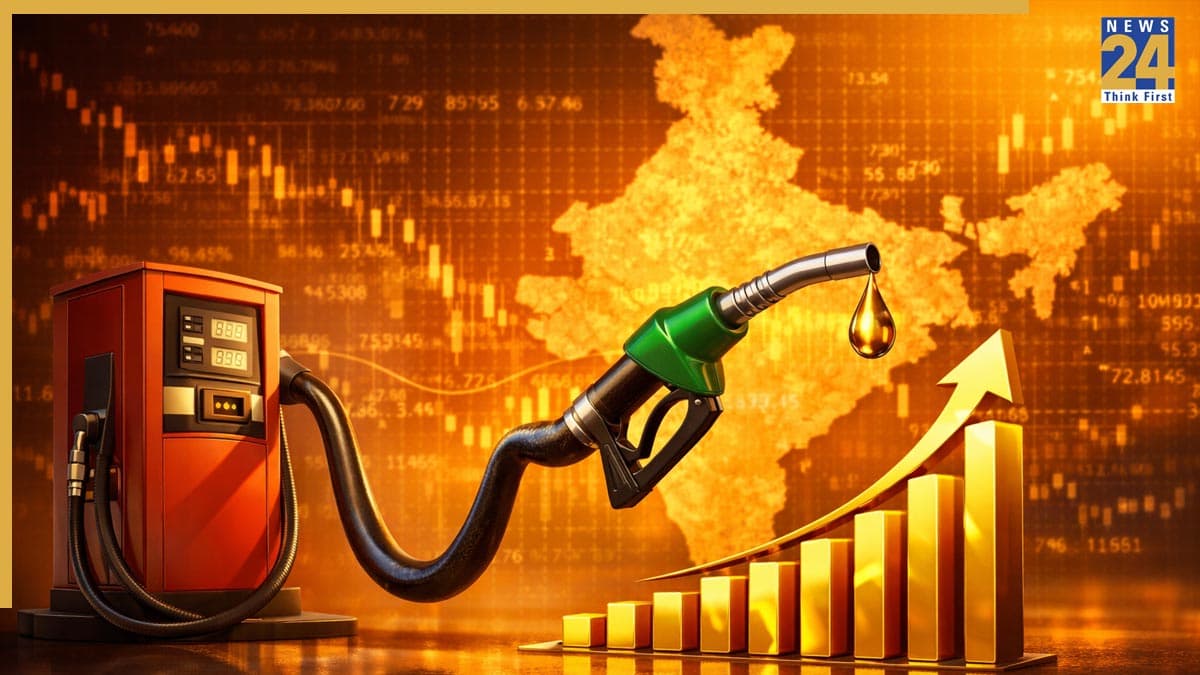
India’s first retail fuel-price increase in four years landed squarely on households, pushing petrol and diesel up 3 rupees per liter and raising New Delhi’s gasoline price to 97.77 rupees a liter and diesel to 90.67 rupees. The jump may look modest at the pump, but in a country that relies heavily on road transport, it can quickly feed through freight bills, grocery deliveries and the prices families pay for everyday goods.
India is the world’s third-biggest oil importer and consumer, so even a small retail adjustment can carry outsized economic effects. Higher diesel costs matter most for trucking, farm logistics and industrial transport, while higher petrol prices hit commuters and small businesses that depend on private vehicles or delivery fleets. As those costs spread, they can deepen inflation pressure and raise expectations that more price increases are coming.
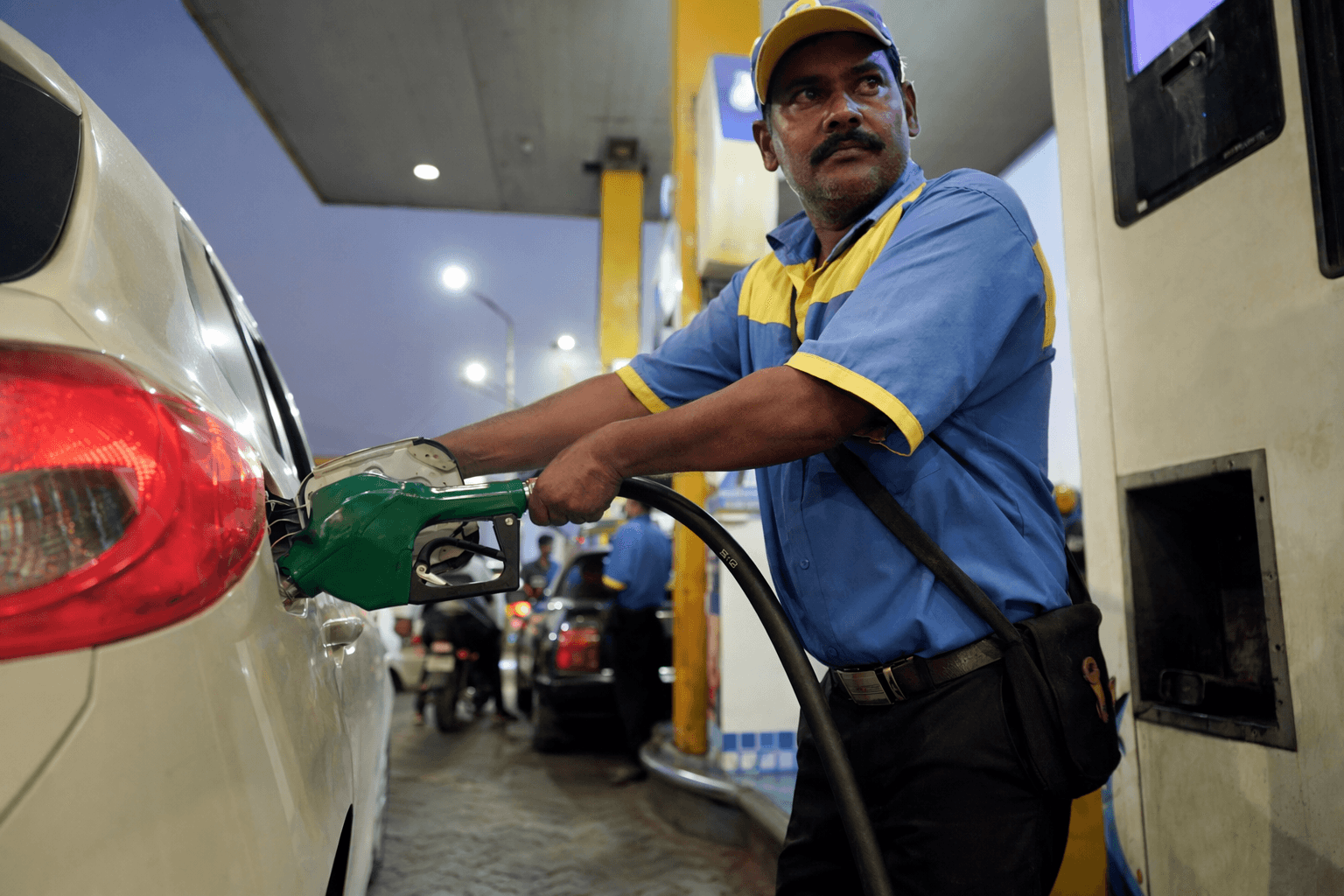
The move also underscored how the Iran war and shipping disruptions through the Strait of Hormuz have finally broken a political price freeze that had held for years. India had been among the last major economies to pass on the global oil shock to consumers, reflecting the government’s caution about household pain and inflation. That delay is now giving way to a more direct response as state-run fuel retailers try to recover losses from a surge in international crude prices.

Prime Minister Narendra Modi signaled the strain on May 10, urging Indians to cut fuel consumption by using public transport, working from home, reducing overseas travel and pausing gold purchases. He also encouraged carpooling, metros, railways and even a return to virtual meetings and video conferencing, a reminder that the government sees the oil shock as a wider economic stress test rather than a narrow pricing issue.
The pressure is already showing up in external accounts. India’s merchandise trade deficit widened to $28.38 billion in April as the Middle East conflict disrupted energy imports and made them more expensive. Oil marketing companies are under severe financial strain from the jump in global prices, and more fuel-price revisions may follow if crude stays elevated. For households, that means the cost of commuting, shipping and food could keep rising just as the government’s ability to cushion the shock looks increasingly limited.
This article was produced by Prism’s automated news system from verified source data, official records, and press releases, then run through automated quality and moderation checks before publishing. The system is built and supervised by the people who set the standards it runs under. Read our full AI policy.
Did this article answer your question?
%3Amax_bytes(150000)%3Astrip_icc()%2FCertificate-of-deposit-2301f2164ceb4e91b100cb92aa6f868a.jpg&w=1920&q=75)