India Rejects Sanctioned Russian LNG Cargo, Leaving Tanker Stranded
A Russian LNG tanker bound for Gujarat was left adrift near Singapore after India refused a sanctioned cargo, exposing the reach of U.S. sanctions.
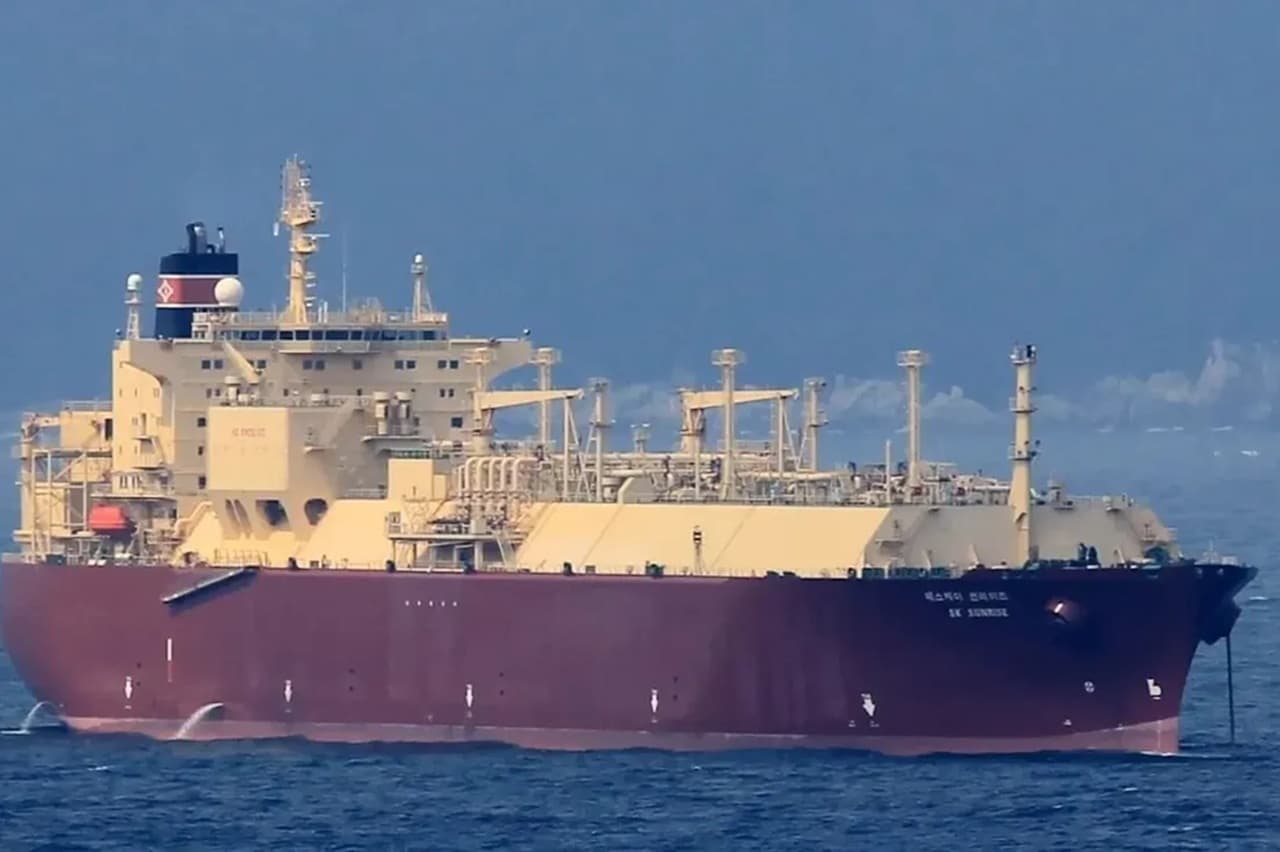
India refused to take a sanctioned Russian liquefied natural gas cargo even as Middle East tensions tightened fuel markets, leaving a 138,200-cubic-meter tanker in limbo and showing how quickly compliance concerns can override supply pressure.
The vessel, the Kunpeng, had been routed toward the Dahej LNG import terminal in western India in mid-April, according to shipping data from LSEG. The cargo came from Portovaya LNG, Russia’s U.S.-sanctioned export plant in the Baltic Sea. With India declining the shipment, the tanker was reported near Singaporean waters without a broadcast destination, unable to discharge while talks continued over other permitted cargoes.
The decision underscored a hard calculation for India, the world’s third-largest oil importer and consumer. The country depends on imports for about half of its natural gas requirement, and LNG feeds power generation, fertilizer production, compressed natural gas, household cooking and industrial use. In that setting, a sanctioned cargo can carry legal, financial and diplomatic risks that outweigh the appeal of a discounted supply.
India’s caution is especially notable because its LNG demand remains large and growing. The country imported about 27 million tonnes of LNG in 2024, a 23 percent increase from the previous year, according to reporting tied to the GIIGNL annual data. Qatar supplied about 47 percent of those imports, reinforcing the central role of long-term, non-sanctioned supply in India’s energy system.
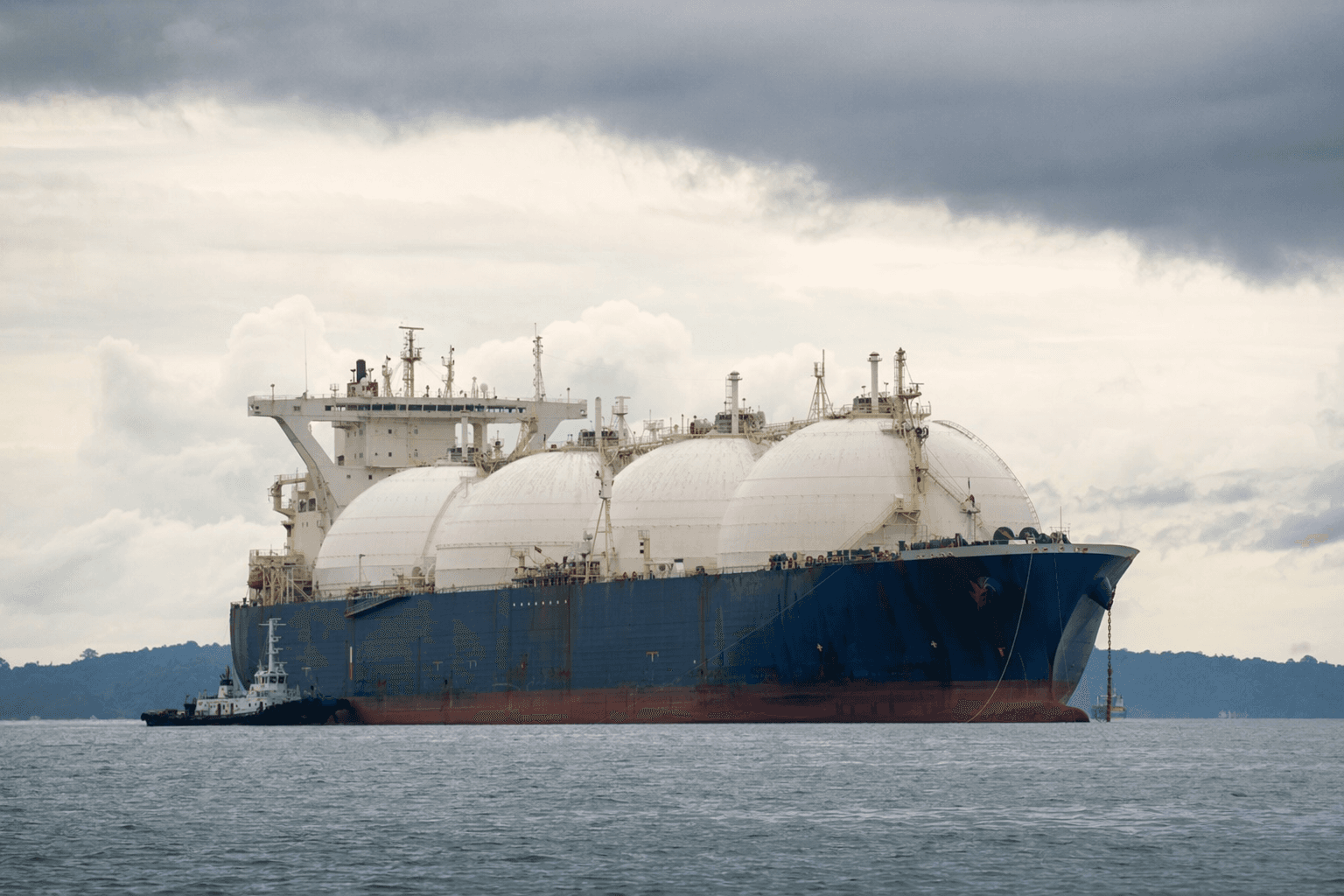
That dependence has pushed India to deepen ties with reliable suppliers. Petronet LNG signed a 20-year supply agreement with QatarEnergy in February 2024 for 7.5 million tonnes per year starting in 2028, a deal designed to anchor future imports even as the spot market remains volatile. The contrast with the stranded Russian cargo is sharp: India is willing to keep buying, but not at the cost of crossing sanctions lines that could disrupt payments, insurance, shipping or future trade.
The episode is a stress test for sanctions policy and for India’s energy strategy. Even under pressure from regional conflict and tight LNG supply, New Delhi signaled that strategic flexibility has limits. For traders and policymakers alike, the stranded Kunpeng is a reminder that sanctioned gas is harder to disguise, reroute or absorb than crude, and that U.S. sanctions can reshape fuel flows one cargo at a time.
This article was produced by Prism’s automated news system from verified source data, official records, and press releases, then run through automated quality and moderation checks before publishing. The system is built and supervised by the people who set the standards it runs under. Read our full AI policy.
Did this article answer your question?


