India Reverses Smartphone Mandate, Drops Pre installation Order for Sanchar Saathi
The government withdrew an order that would have required all new smartphones sold in India to come with the Sanchar Saathi cybersecurity app preinstalled. The reversal followed rapid voluntary adoption of the app and strong public and industry pushback over privacy concerns, underscoring a fraught debate between digital inclusion and individual privacy.
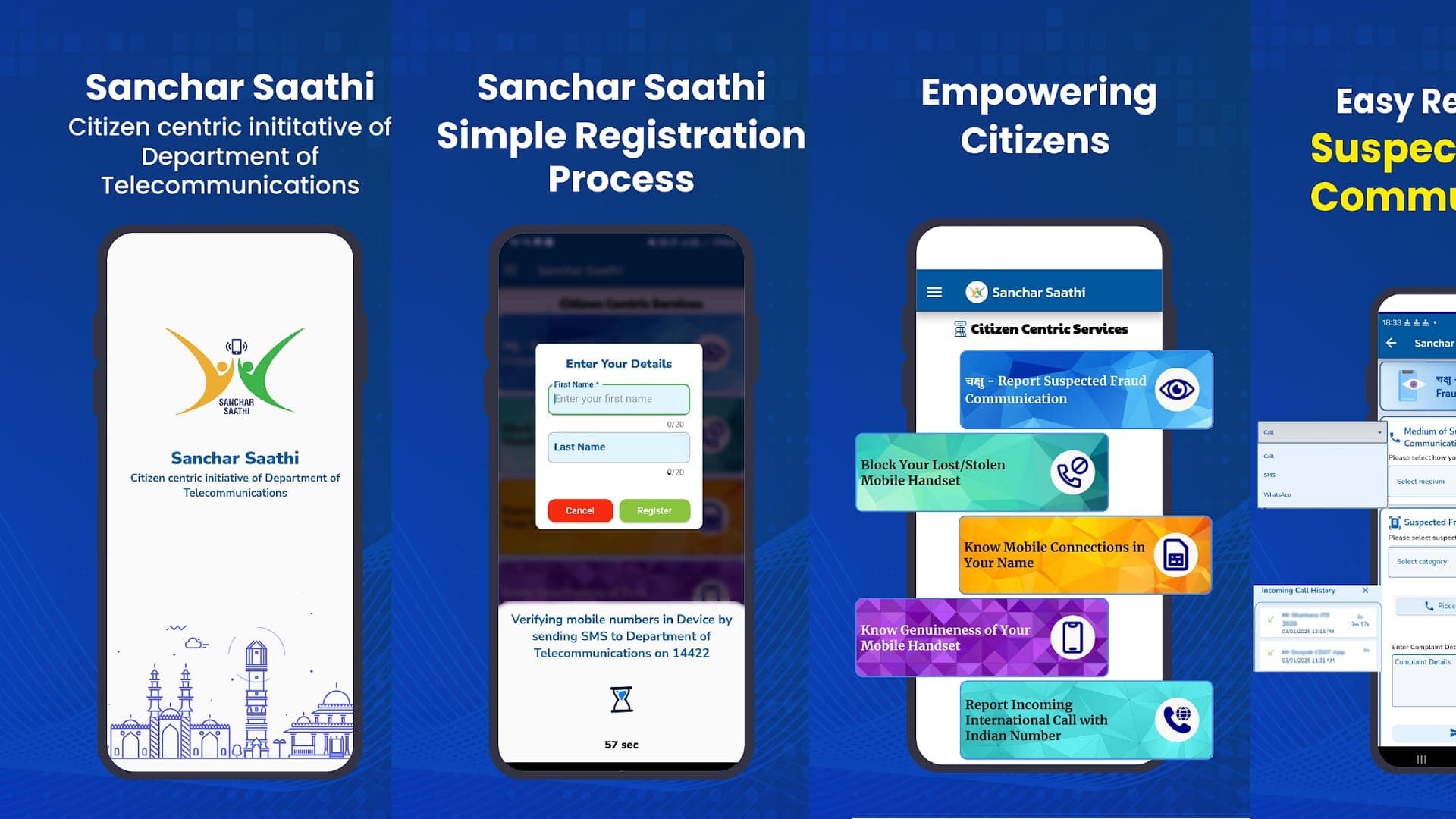
The Indian government on Dec. 3 and Dec. 4 reversed a directive that would have required mobile phone manufacturers to preinstall the Sanchar Saathi cybersecurity app on all new handsets sold in the country. The Department of Telecommunications said it was withdrawing the mandate after a surge in voluntary downloads and significant objections from civil society groups and industry players concerned about privacy and government overreach.
Union Telecom Minister Jyotiraditya Scindia told parliament the app could be deleted and would not enable "snooping," and said the government's aim was to broaden access to a tool that helps block stolen phones, verify handset authenticity and report telecom fraud. Officials pointed to rapid early adoption, citing more than a million downloads and fast registration growth as evidence that public interest in the service was strong without compulsion.
Sanchar Saathi was developed by the government as a multipurpose tool to allow users to check device provenance, block stolen phones using the device identification registry, and report telecom related fraud. The preinstall order was framed by authorities as a way to accelerate access for less digitally aware citizens who might not otherwise find or install the app. Critics countered that mandating government software on privately sold devices crossed a line into intrusive state control and raised the specter of potential misuse of data.
Industry representatives and privacy advocates had argued that forced preinstallation erodes consumer choice and could create security and liability issues for handset makers. Some observers warned that even if an app is removable, its mandatory presence out of the box creates a chilling effect and normalizes government access to private devices. The minister’s assurances that the app would not enable surveillance did not fully allay those concerns among rights groups.
The reversal is likely to shift the government’s approach from compulsion to promotion. Officials indicated the original intent was to boost adoption among populations less likely to download apps voluntarily, but the quick uptake and public debate suggested alternative measures might suffice. Potential next steps could include targeted awareness campaigns, partnerships with manufacturers and retailers to offer the app as an opt in during initial setup, or technical audits to increase public confidence in the app’s privacy protections.
The episode highlights a broader tension that governments face worldwide as they try to balance digital safety initiatives with civil liberties. As India expands digital services tied to identity and communications, public trust will remain central to adoption. For now the government has stepped back from a mandatory route, but the debate over how to secure devices without compromising privacy is likely to continue in parliament and in the courts.
This article was produced by Prism’s automated news system from verified source data, official records, and press releases, then run through automated quality and moderation checks before publishing. The system is built and supervised by the people who set the standards it runs under. Read our full AI policy.
Did this article answer your question?