India to slash tariffs on select EU cars to about 40 percent
India will cut import duties on a limited set of EU cars to about 40 percent, down from levels as high as 110 percent, as part of a pending EU free trade agreement.
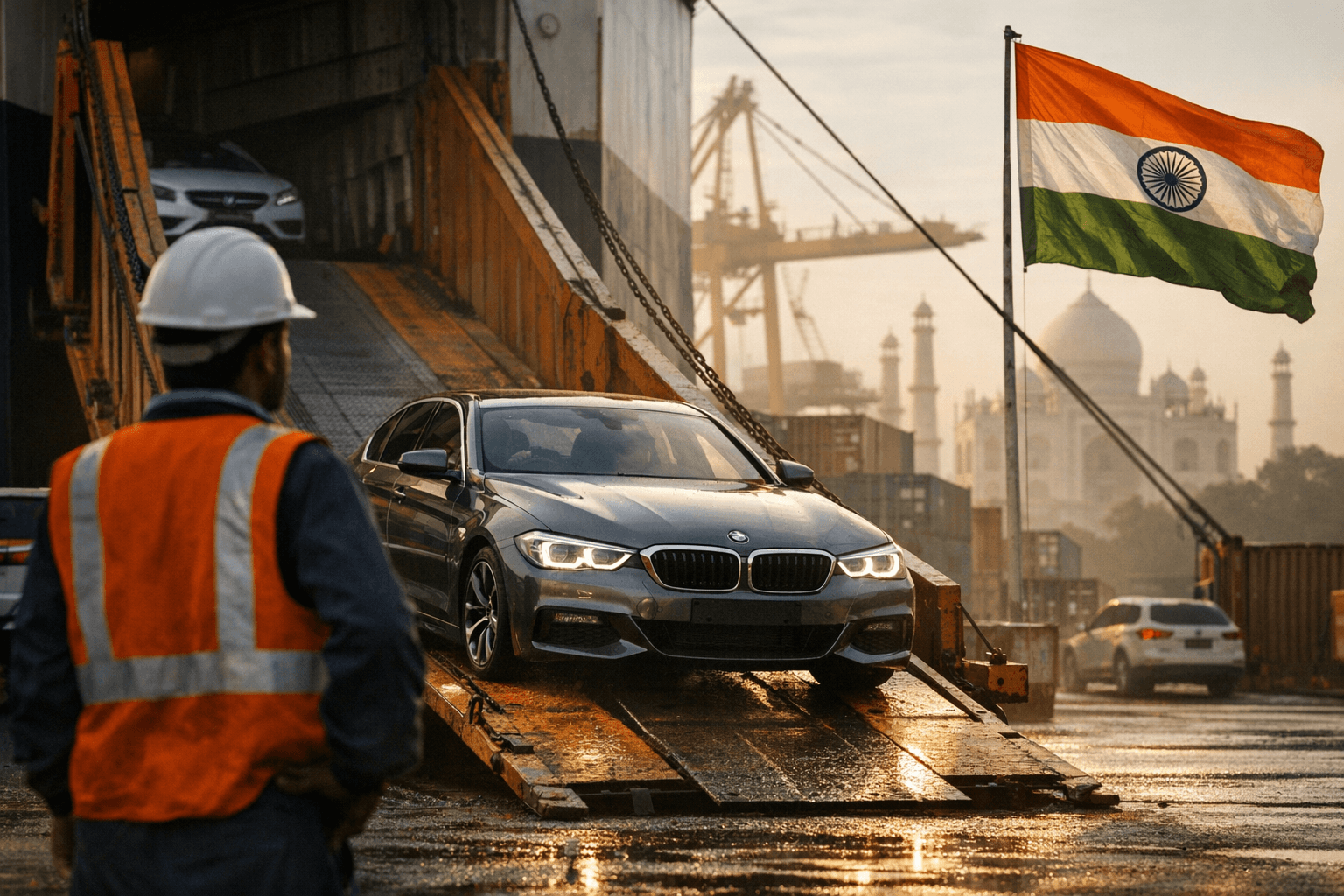
India agreed to reduce import duties on a limited number of cars imported from the European Union to roughly 40 percent, sources briefed on negotiations said, marking a significant narrowing of protection that has ranged up to 110 percent. The concession is part of a prospective EU-India free trade agreement expected to be announced and would take effect immediately for the small list of models covered.
The scale of the concession is notable: for vehicles that previously faced the maximum duty, the adjustment would cut the tariff-inclusive price by roughly one-third, all else equal. That calculation isolates customs duties and does not account for domestic taxes, registration fees or regulatory costs that also shape retail prices. Still, the reduction materially improves the price competitiveness of affected European cars and could reshape import patterns in a market where high tariffs long shielded domestic producers.
For European automakers, the measure lowers a steep barrier to the Indian market and may accelerate plans to sell higher-value models as complete built-up units rather than as knock-down kits for local assembly. The change is limited in scope; sources say it applies to a defined subset of EU imports rather than a blanket cut across all passenger vehicles. That targeted approach would allow New Delhi to balance opening market access with safeguards for domestic industry and employment.
The move carries clear fiscal and industrial policy trade-offs. Lower import duties reduce customs revenue per vehicle, creating an immediate budgetary impact if import volumes do not rise enough to offset the rate cut. Policymakers will have to weigh short-term revenue loss against potential gains from higher sales, increased aftermarket activity, and any commitments by automakers to expand local investment and job creation as part of the broader trade deal.
Domestic manufacturers and parts suppliers are likely to press for protections or transitional measures. India’s auto sector has long relied on tariffs and local content rules to foster manufacturing and supply-chain depth. A selective tariff easing risks heightened competitive pressure, particularly in premium and luxury segments where European brands are strongest. Over time, however, lower import barriers could encourage joint ventures, technology transfer, and deeper integration of European suppliers into Indian manufacturing networks.
On the macro level, the tariff adjustment is consistent with a gradual liberalization that many emerging markets pursue to attract higher-value foreign investment and integrate into global value chains. For the EU, clearer access to India’s large and growing vehicle market addresses a long-standing trade agenda, while New Delhi secures improved terms for other goods and services under the prospective deal.
Markets and policymakers will watch how the tariff list is defined and whether additional concessions follow in phased schedules or reciprocal openings on agricultural and industrial goods. The immediate cut to about 40 percent signals a pragmatic compromise: meaningful market access for European automakers without an abrupt dismantling of the protective framework that underpins India’s auto industrial policy.
This article was produced by Prism’s automated news system from verified source data, official records, and press releases, then run through automated quality and moderation checks before publishing. The system is built and supervised by the people who set the standards it runs under. Read our full AI policy.
Did this article answer your question?

