India unveils $19.8 billion push to boost phone, chip manufacturing
India unveiled a $19.8 billion push to make phones and chips at home, but the test is whether it builds supply chains or just more assembly lines.
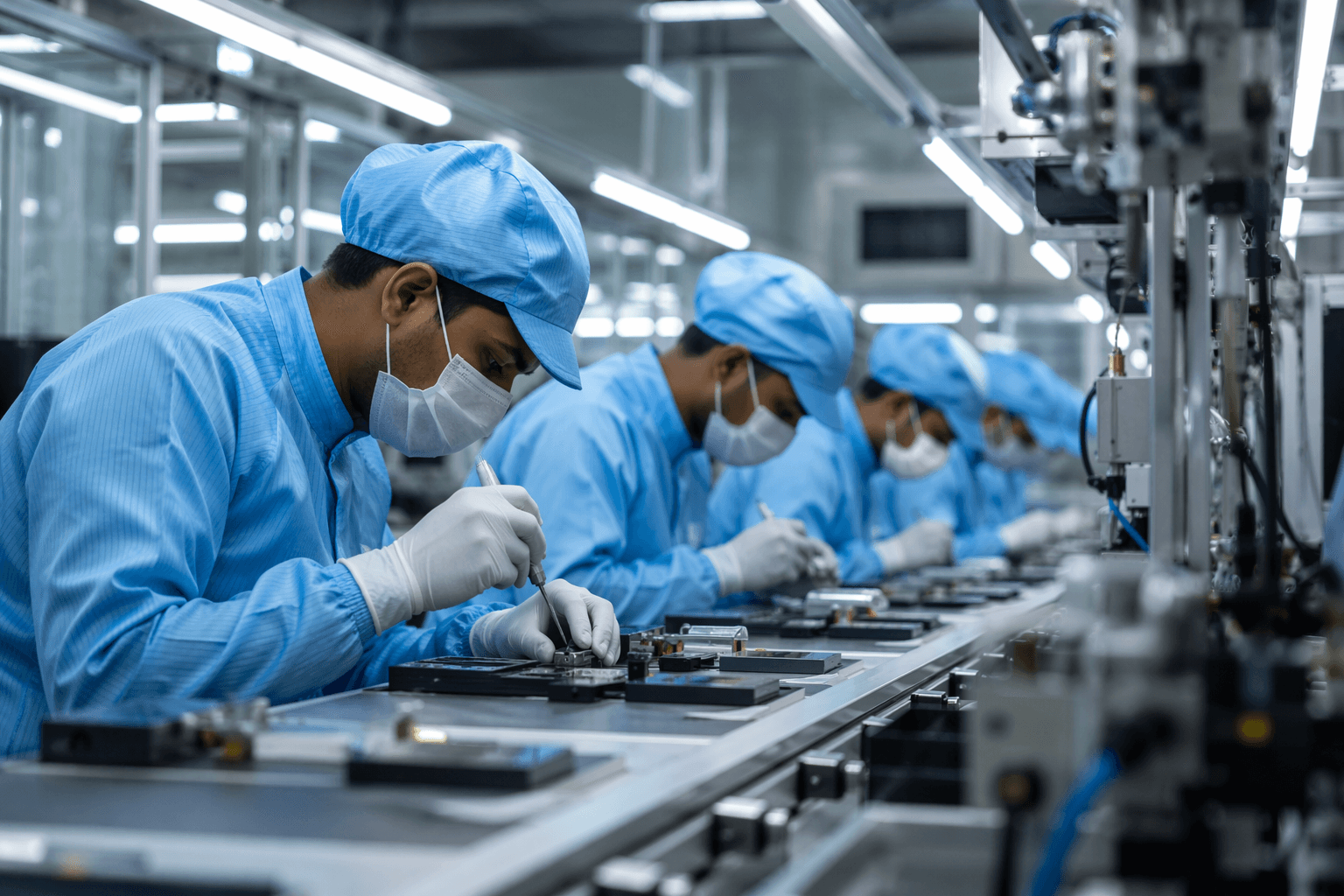
India unveiled a 625 billion, or $6.5 billion, smartphone incentive plan alongside 1.28 trillion, or $13.3 billion, for semiconductors on Wednesday, widening its bid to pull electronics production away from China. The combined package is designed to deepen local manufacturing after years in which India mainly attracted final assembly for global brands.
The five-year Mobile Phone Manufacturing Scheme runs from FY 2026-27 through FY 2030-31 and pays incentives of 2.25% to 5% on eligible sales. It also adds up to 1.5% for domestic sourcing of key components and sub-assemblies, plus another 3% for design and research and development tied to Indian brands. The government expects the program to generate about 39 lakh crore in cumulative mobile-phone production and around 60,000 direct jobs.
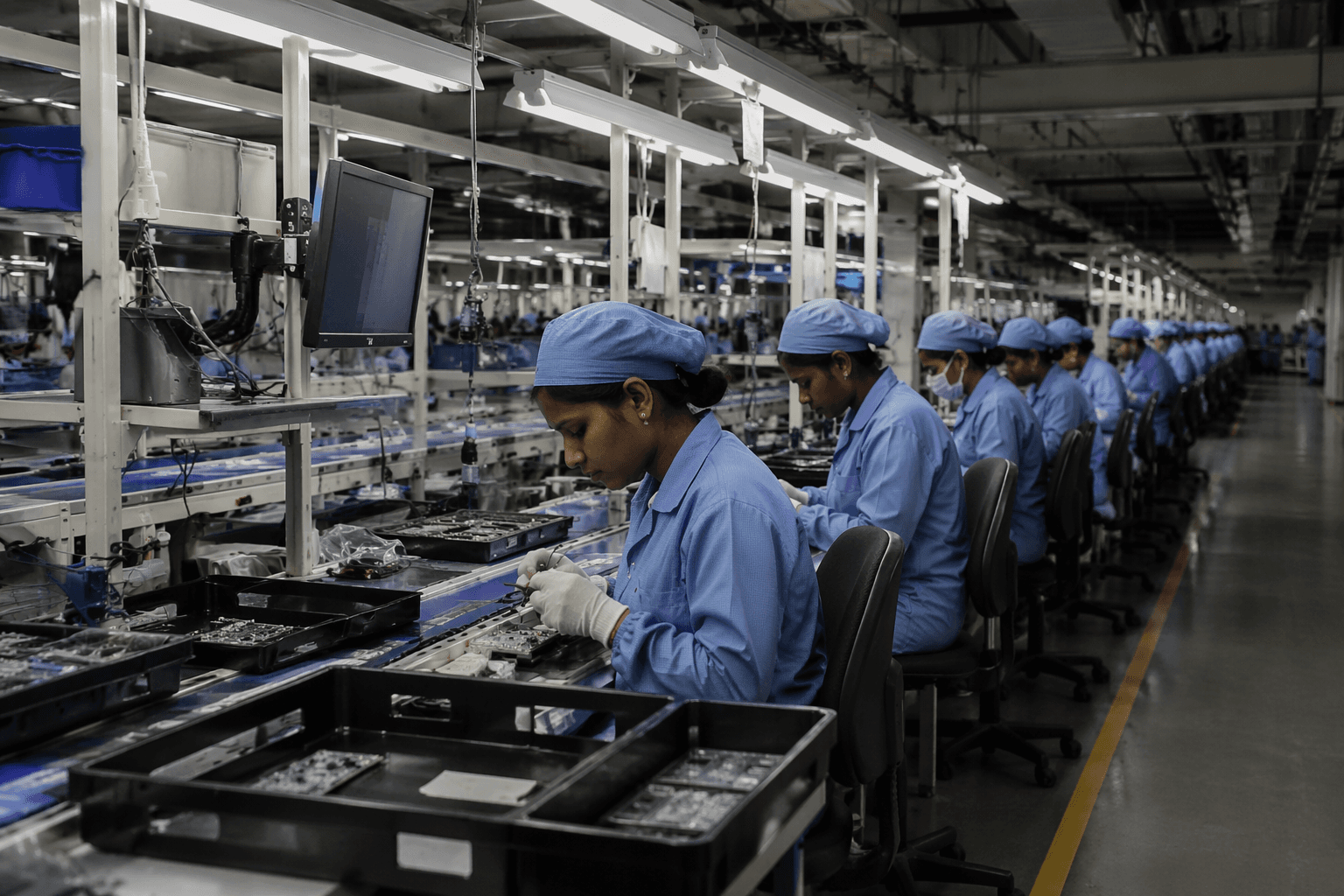
The earlier Production Linked Incentive Scheme for Large Scale Electronics Manufacturing ended on March 31, 2026, and the new push is meant to build more depth in components, design and local value capture rather than rely only on assembly plants. Counterpoint Research put China at 63% of global smartphone production in 2025, while India accounted for 18%. Apple began assembling iPhones there in 2017 and now makes about 25% of its iPhones in the country through suppliers including Foxconn Technology Group, Tata Group, Tata Electronics and Pegatron Corp. In 2026, India-made iPhones included older models such as the iPhone 15 and iPhone 16 for domestic sales and export. IDC analyst Navkendar Singh said the policy marks a shift beyond an assemble-more strategy toward deeper R&D and local value capture, while also giving Apple more confidence to diversify away from China. India recently scrapped import duties on selected smartphone and electronics components, removing 7.5% and 5% levies on some parts, and it cleared a smartphone joint venture between Vivo and Dixon Technologies.
This article was produced by Prism’s automated news system from verified source data, official records, and press releases, then run through automated quality and moderation checks before publishing. The system is built and supervised by the people who set the standards it runs under. Read our full AI policy.
Did this article answer your question?