Indian Railways raises long distance fares slightly, spares commuters
Indian Railways announced a narrow rationalisation of passenger fares to take effect on December 26, 2025, raising rates mainly for longer journeys and higher classes while leaving suburban and short distance travel untouched. The move aims to generate modest revenue to help cover rising operational costs, but its economic impact will be limited for most travellers.
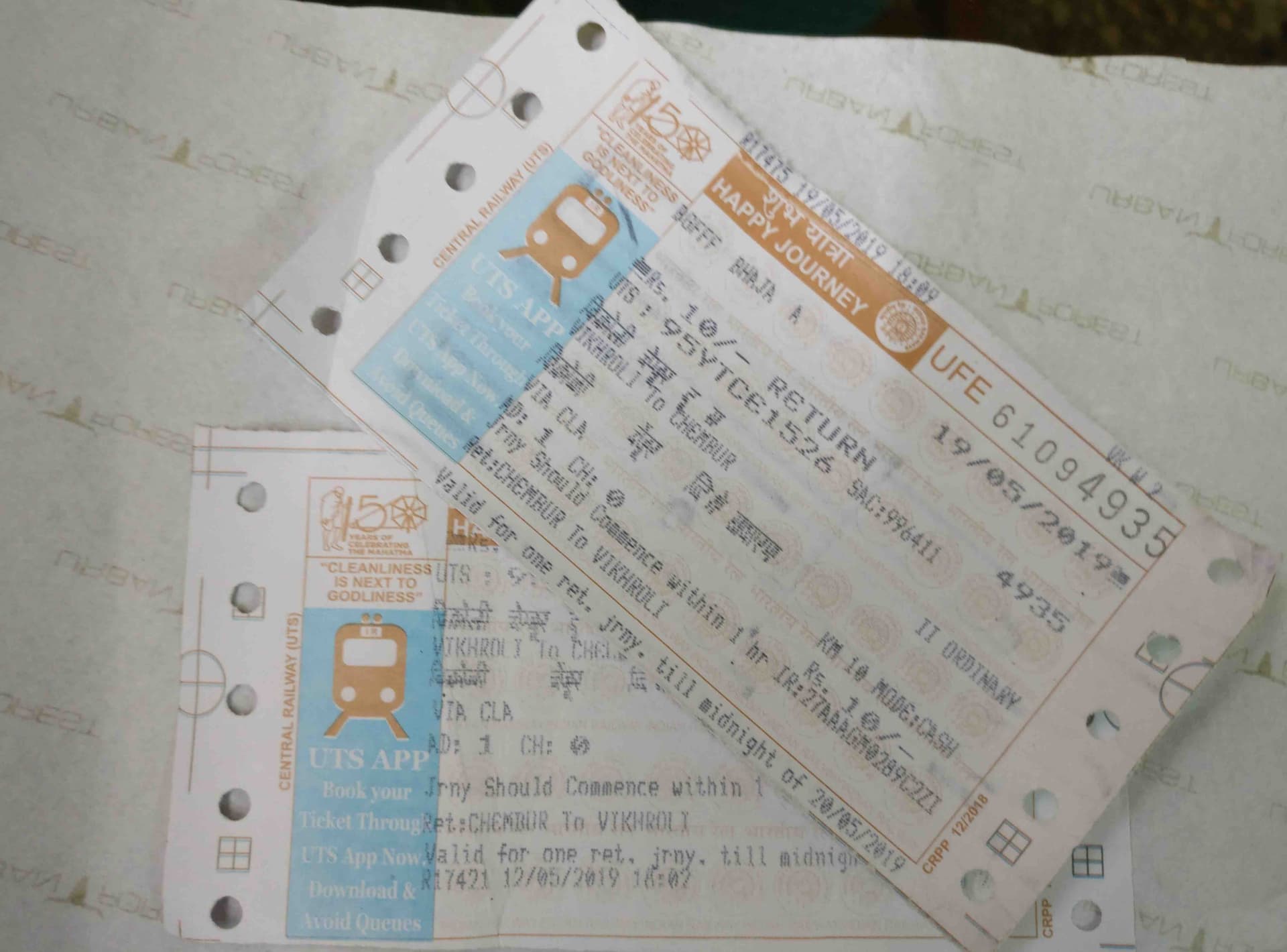
Indian Railways will implement a targeted fare rationalisation on December 26 that raises passenger fares by small per kilometre increments for long distance and higher class travel, officials said. Ordinary unreserved second class travel up to 215 kilometres will remain unchanged, and suburban services and Monthly Season Tickets will be exempt from the revision.
Under the new structure ordinary class fares for journeys beyond 215 kilometres will increase by 1 paise per kilometre, while Mail and Express services in both non air conditioned and air conditioned classes will see a rise of 2 paise per kilometre. By way of illustration, a 500 kilometre journey in a non air conditioned coach would cost about ten rupees more under the revision, equivalent to 500 kilometres multiplied by 2 paise per kilometre.
The railways expect the change to yield roughly six hundred crore rupees in the current financial year. That additional revenue is small relative to the scale of the network. Operational expenditure was about two lakh sixty three thousand crore rupees in 2024–25, and the projected six hundred crore addition amounts to roughly 0.2 percent of that figure. Cost pressures cited by railways include manpower expenses of about one lakh fifteen thousand crore rupees and pension liabilities near sixty thousand crore rupees, figures that underpin the administration's rationale for a selective increase.
Officials framed the adjustment as a measured step to help balance rising operational costs while keeping travel affordable for the majority of passengers. The railways are emphasising that the rationalisation is part of a broader strategy focused on freight growth and operational efficiency, rather than across the board passenger hikes. Freight rates have not been revised since 2018, and the railways have pointed to initiatives to raise cargo loading and to monetise non fare revenue streams as central to long term financial sustainability.

Operational improvements have been highlighted as complementary to the revenue measures. The railways cited recent mobilisations during peak seasons, including movement of more than twelve thousand trains, as evidence of improved capacity and responsiveness. The administration also notes its standing as one of the largest cargo carrying rail networks globally, a status it intends to leverage to boost earnings from freight traffic.
For passengers the practical effect will be modest. The bulk of daily commuters and short distance travellers will see no change, along with monthly season ticket holders. The increase primarily affects travellers on long distance journeys and those using higher class accommodations, where the per kilometre rises translate to relatively small absolute amounts even on longer trips.
Economically the step is unlikely to have measurable effects on consumer price inflation or travel demand, but it signals a policy preference. The railways are prioritising targeted passenger pricing, freight expansion, and operational gains to shore up finances in the face of persistent structural costs. How effectively freight growth and non fare initiatives can offset rising personnel and pension expenditures will determine whether future passenger fare adjustments are necessary.
This article was produced by Prism’s automated news system from verified source data, official records, and press releases, then run through automated quality and moderation checks before publishing. The system is built and supervised by the people who set the standards it runs under. Read our full AI policy.
Did this article answer your question?

