India’s EV market grows as fuel prices push more buyers to electric cars
India’s passenger EV sales rose 20% in 2024, but charging gaps, high prices and weak resale values kept electric cars at just 2.4% of the market.
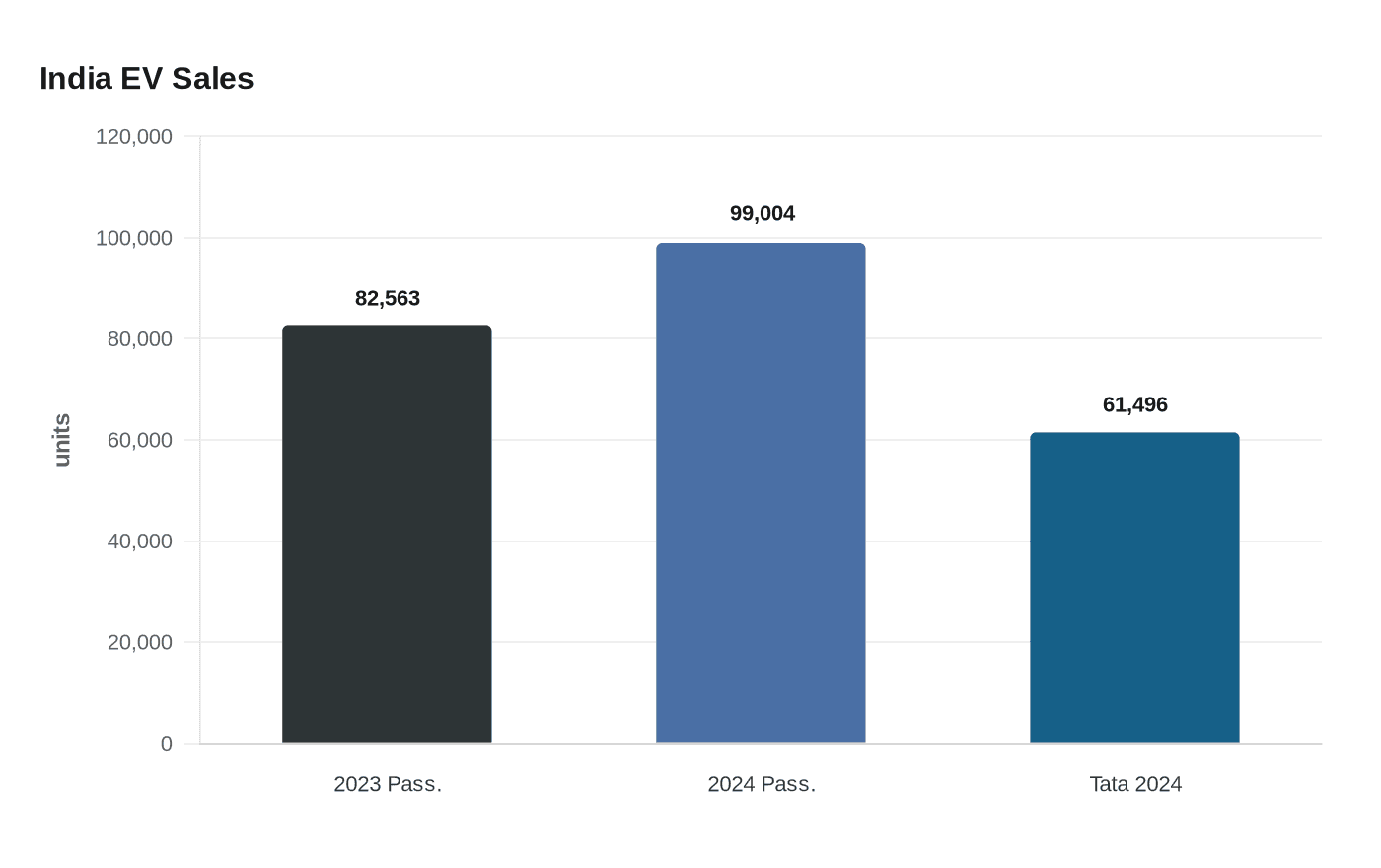
High fuel bills helped push more Indian buyers toward electric cars in 2024, but the shift remained uneven. Passenger EV sales rose 20% to 99,004 units from 82,563 in 2023, yet electric cars still accounted for only 2.4% of India’s 4.07 million vehicle sales, a reminder that the ownership case is strongest where charging is easy and budgets are flexible.
Tata Motors stayed far ahead of the field, selling 61,496 electric vehicles in 2024 and keeping the top spot in India’s EV market. Even so, its share fell to 62% from 73% a year earlier as more models entered showrooms and buyers gained more choice. The wider EV market was larger than passenger cars alone: India crossed 2 million EV sales across all vehicle categories in 2024, showing that electrification is advancing fastest where fleets, two-wheelers and commercial users can make the numbers work.
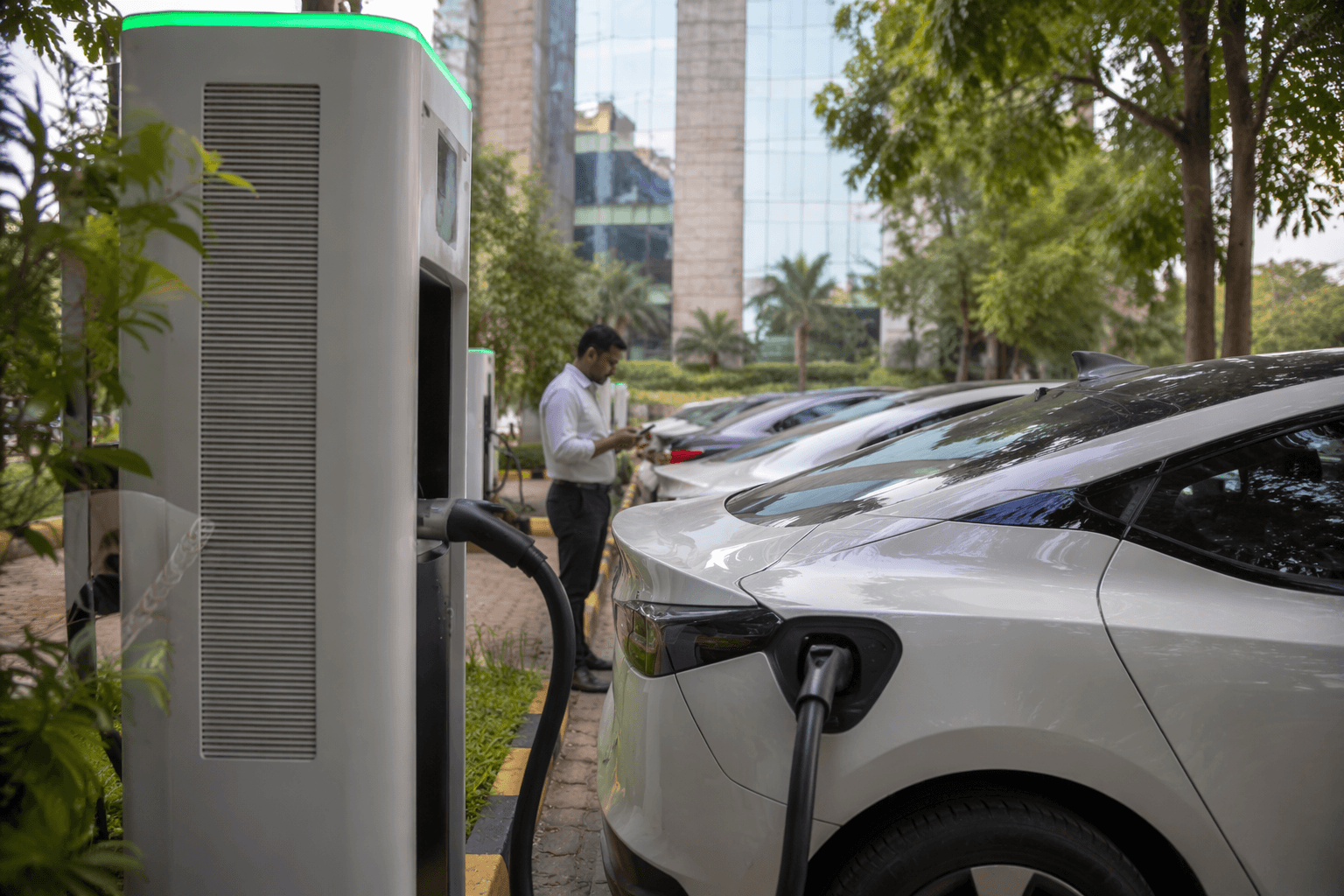
For private car buyers, the calculus is still tougher. S&P Global said in 2025 that India’s EV market accounted for about 2.5% of all cars sold in 2024, with high prices and a limited charging network still deterring shoppers. The country did add more infrastructure, with public charging stations reaching 25,202 by December 2024, but that expansion has not yet erased range anxiety or the fear of getting stranded without a reliable plug.
Industry groups say the hesitation is practical, not ideological. The Federation of Automobile Dealers Associations has flagged charging infrastructure, battery life and resale values as the main consumer concerns. Those issues matter most outside affluent urban pockets, where many households do not have dedicated parking or the ability to charge overnight at home. That leaves the upfront price of an EV, often higher than a comparable petrol model, as only part of the equation. Buyers also weigh how much they will save on fuel, how long the battery will last and what the car will be worth when it is time to sell.
Automakers are responding with more models and lower prices, while the government has continued to back the transition through EV charging and mobility policies. Fuel-price volatility has strengthened the long-term case for electric driving, especially for buyers focused on monthly running costs rather than sticker price alone. But scale will depend on whether charging access expands fast enough, resale markets become more predictable and India’s broader power network keeps pace with the EV fleet it is trying to build.
This article was produced by Prism’s automated news system from verified source data, official records, and press releases, then run through automated quality and moderation checks before publishing. The system is built and supervised by the people who set the standards it runs under. Read our full AI policy.
Know something we missed? Have a correction or additional information?
Submit a Tip