India’s gold demand set to decline in 2026 as jewellery slump deepens
The World Gold Council warns rising bullion prices and weak jewellery buying will cut India’s total gold demand in 2026 despite record investment flows.
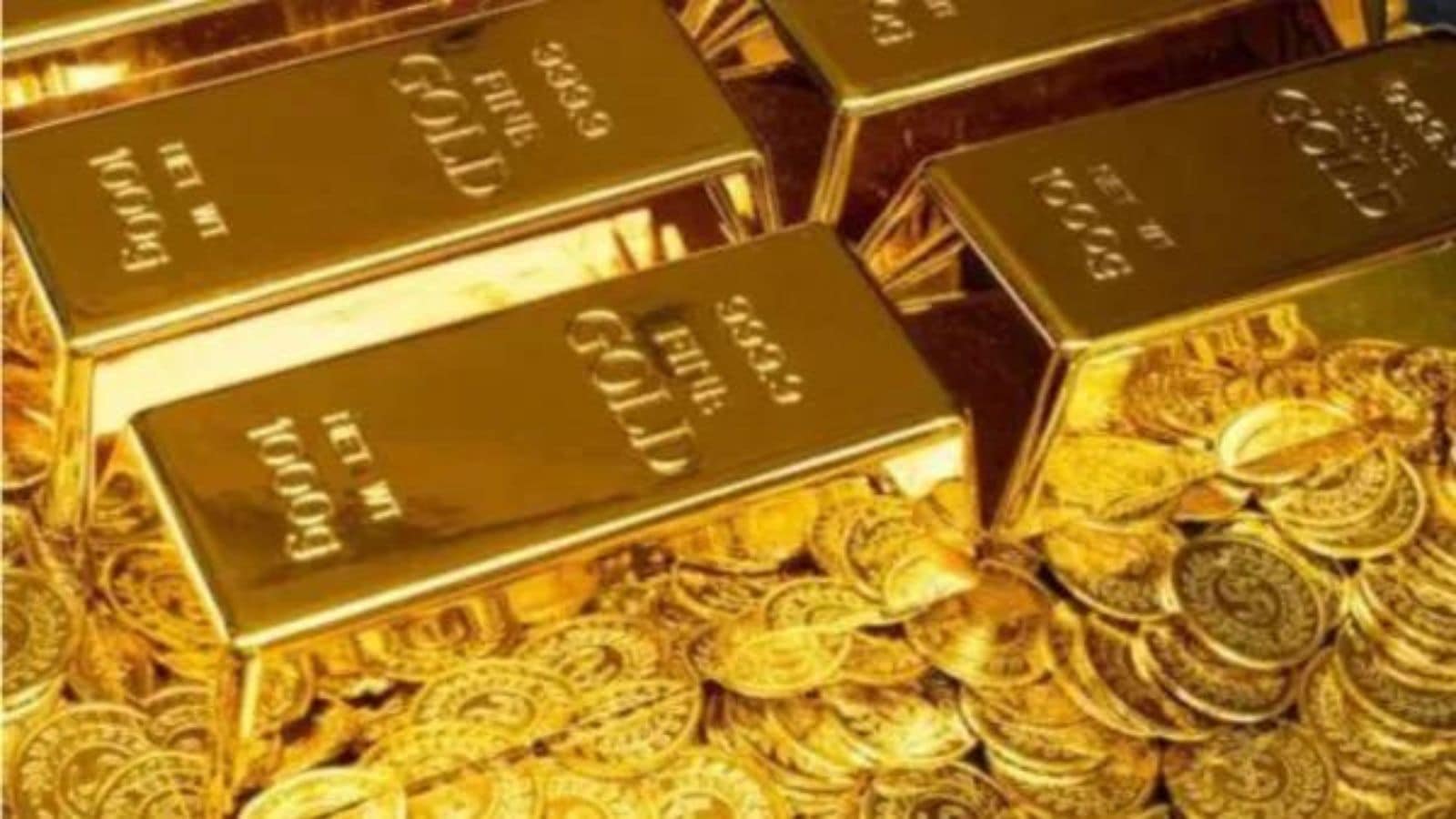
The World Gold Council said today that India’s overall gold demand is likely to fall in 2026 after an 11% drop in 2025, as soaring bullion prices continue to curb jewellery consumption even while investment demand strengthens.
WGC data show India’s total gold demand fell to 710.9 tonnes in 2025, the lowest in five years. Analysts at the council project total demand in 2026 will range between about 600 and 700 tonnes. Domestic prices surged 76.5% in 2025, and international bullion finished January at roughly $5,080 per ounce on Jan. 26, 2026, a near doubling from about $2,000 per ounce in December 2023. Those price moves have reshaped buying patterns across the market.

The shift is visible in flows and secondary-supply dynamics. Investment into gold exchange-traded funds in India jumped 283% year-on-year in 2025 to a record ₹42,960 crore, equivalent to about $4.67 billion. Sales of bars and coins also strengthened, reflecting a tilt by households toward liquid, investment-grade holdings. At the same time, domestic scrap and recycled supply declined 19% to 92.7 tonnes as many consumers held onto metal expecting further price gains. Industry reporting also estimated more than 200 tonnes of jewellery were pledged as collateral through the formal sector in 2025, with anecdotal volumes in the informal sector said to be comparable.

Those countervailing forces helped limit the impact on total demand last year, but the WGC cautions that the offset may weaken in 2026 if jewellery spending remains depressed. Global jewellery demand fell 18% in the first nine months of 2025, and the two largest markets, India and China, experienced roughly 25% declines over that period. Retail buyers in India have proved highly price sensitive: rapid appreciation over 2024-26 reduced affordability and softened discretionary purchases.
The market response has been uneven. Equity investors in India reaped gains as the domestic stock benchmark outperformed bullion in domestic terms at times; the Nifty 50 rose about 10.5% over the same period that gold surged. Jewelers, meanwhile, are adapting to lower retail offtake by revising product mixes and accelerating store-level strategies. One major retailer added roughly 50 outlets in the prior nine months and plans to open more than 100 additional showrooms, taking its network close to 500 locations as firms pursue foot-traffic and brand-led growth even as consumer demand softens.
From a macroeconomic perspective, the composition shift matters. Reduced jewellery imports could relieve some pressure on the trade deficit that large gold import volumes create, but persistent investment demand and tight secondary supply may keep prices elevated. Analysts warn that a sharp economic slowdown or forced liquidations of gold-backed loans could unlock substantial secondary supply and push prices lower; conversely, sustained geopolitical or inflationary pressure would continue to support bullion as a safe-haven asset.
For 2026 the outlook is thus finely balanced. Elevated investment flows provide a cushion, but the WGC’s central scenario anticipates a net moderation as jewellery demand remains constrained. Policy makers and market participants will be watching recycling trends and pledged-collateral dynamics closely for signs that pent-up metal could suddenly return to the market.
This article was produced by Prism’s automated news system from verified source data, official records, and press releases, then run through automated quality and moderation checks before publishing. The system is built and supervised by the people who set the standards it runs under. Read our full AI policy.
Did this article answer your question?

