India’s gold tariff hike fuels smuggling revival, dealers say
India's 15% gold duty is widening grey-market discounts and reviving smuggling, dealers say. Legal banks and refiners are being squeezed as old stocks clear at sharp markdowns.

India’s higher gold tariff is backfiring. The jump to a 15% import duty has revived smuggling, widened the gap between legal and grey-market prices, and forced banks and refiners to pull back overseas buying as illegal suppliers undercut them by avoiding taxes that now total 18.45% with goods and services tax.
In Mumbai, bullion dealers say the grey-market discount has moved beyond $200 an ounce, more than 4%, while legal importers cannot get close to those prices. Domestic discounts on compliant gold have also widened to more than $100 an ounce as stocks imported before the May duty increase are sold down at steep markdowns, a sign that the formal market is still digesting the policy shock.

The tariff move was meant to do the opposite: cool demand, narrow the trade deficit and ease pressure on the rupee. Instead, the incentive structure has shifted fast enough to revive a shadow trade that had been fading after India cut gold and silver import duty from 15% to 6% in July 2024. That earlier cut was the sharpest reduction on record and took duties to the lowest level since June 2013; now the pendulum has swung back just as sharply in the other direction.
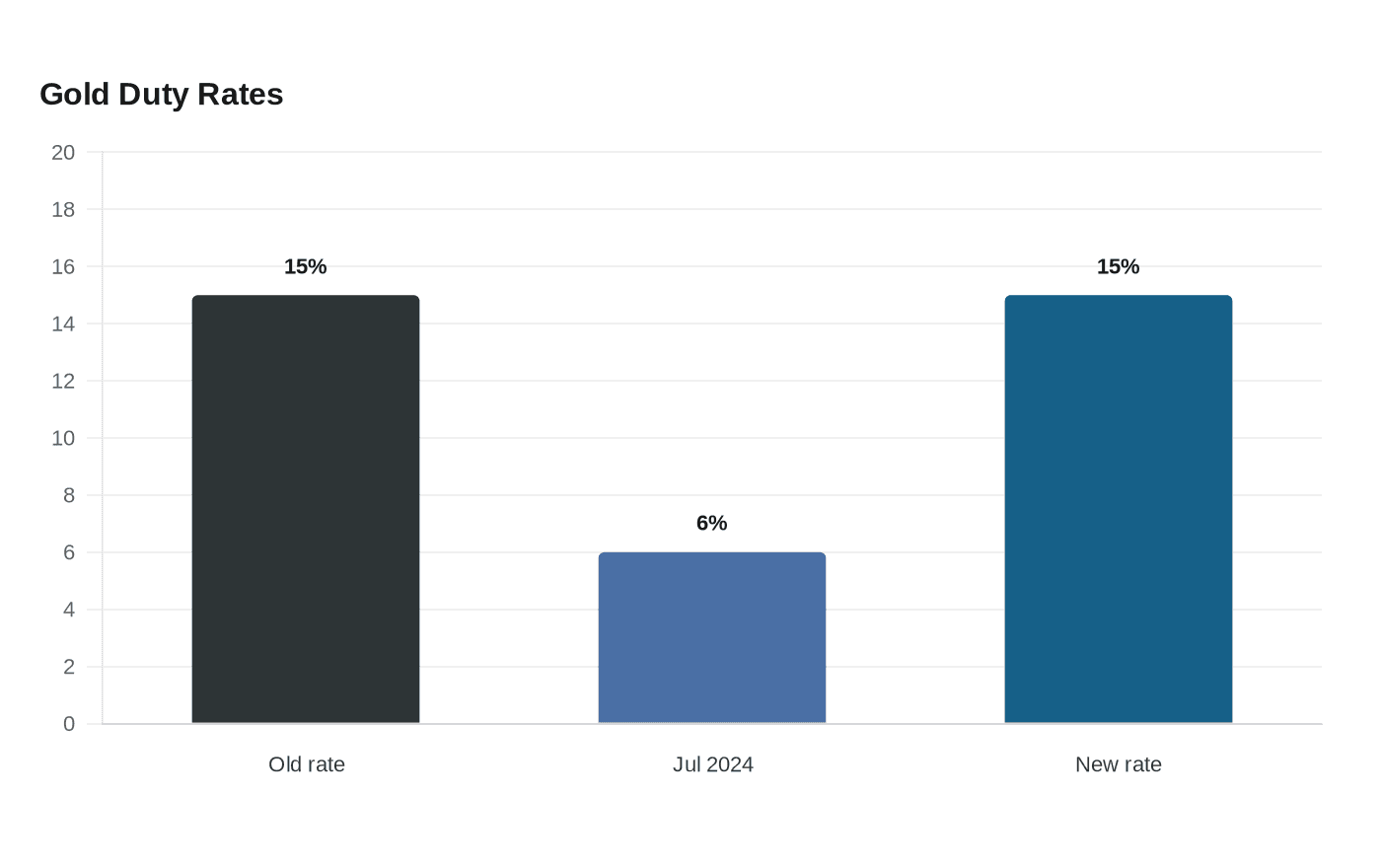
The World Gold Council said the new rate was a 9 percentage point increase from 6% and the steepest hike on record. It also said past trends suggest higher duties increase unofficial inflows and that domestic prices remained at a significant discount to landed prices even after the increase. India’s gold demand was already strong, rising 10% year on year to 151 tons in the first quarter of 2026, while investment demand jumped 54% to 82 tons. The council also expects 2026 demand to moderate, with jewellery and bar-and-coin demand projected to fall by 50 to 60 tons, or about 10% year on year.
If smuggling reaches 100 tons this year, dealers say the metal would be worth about $14.35 billion at current prices, implying roughly $2.65 billion in lost tariffs and sales tax for the government. India customs and revenue-intelligence authorities have already intensified vigilance at airports, seaports and land borders, but the larger damage may land elsewhere: on compliant banks, refiners and importers that now must compete against a market where tax avoidance has become the cheapest business model.
This article was produced by Prism’s automated news system from verified source data, official records, and press releases, then run through automated quality and moderation checks before publishing. The system is built and supervised by the people who set the standards it runs under. Read our full AI policy.
Know something we missed? Have a correction or additional information?
Submit a Tip