India’s Para Pickleball pathway integrates Mauli students into DUPR system
AIPA registered Mauli School students on DUPR to bring hearing-impaired and differently abled youth into the global competitive rating system. This expands inclusion and opens competitive pathways.
The All India Pickleball Association launched a Para Pickleball pathway that registered students from Mauli School for Differently Abled on the Dynamic Universal Pickleball Rating platform, bringing hearing-impaired and differently abled youth into the same competitive rating system used worldwide. The move, formalized January 15, 2026, marks a major step in integrating adaptive players into mainstream competitive structures.
Coach Vaidehi Gupte led the program, using adaptive teaching methods that emphasized sign-based communication coaching and tailored drills. Students progressed through an exposure program where they trained alongside hearing peers, took part in mock matches and then received formal DUPR registration. That progression gave players measurable ratings, a benchmark used by clubs and tournament organizers to assess skill and seed competition.
For local clubs and coaches the practical value is immediate. DUPR registration creates a common language of performance: players from Mauli School now carry ratings that match the metrics used by the wider pickleball community. That makes it easier to place adaptive players into league play, mixed practice sessions and entry-level tournaments without separate or ad hoc seeding. Coaches who already use DUPR can include these students in ladders and clinics with clearer expectations of where each player fits skill-wise.
Community leaders at Mauli School and AIPA officials framed the pathway as the foundation for broader access and competitive opportunity. By combining sign-based coaching with drills adapted to individual needs and exposure play with hearing peers, the program focused not only on skills but on court communication and match experience. Those elements matter in pickleball, where timing in the kitchen and coordinated court calls can determine point outcomes as much as strokes and footwork.
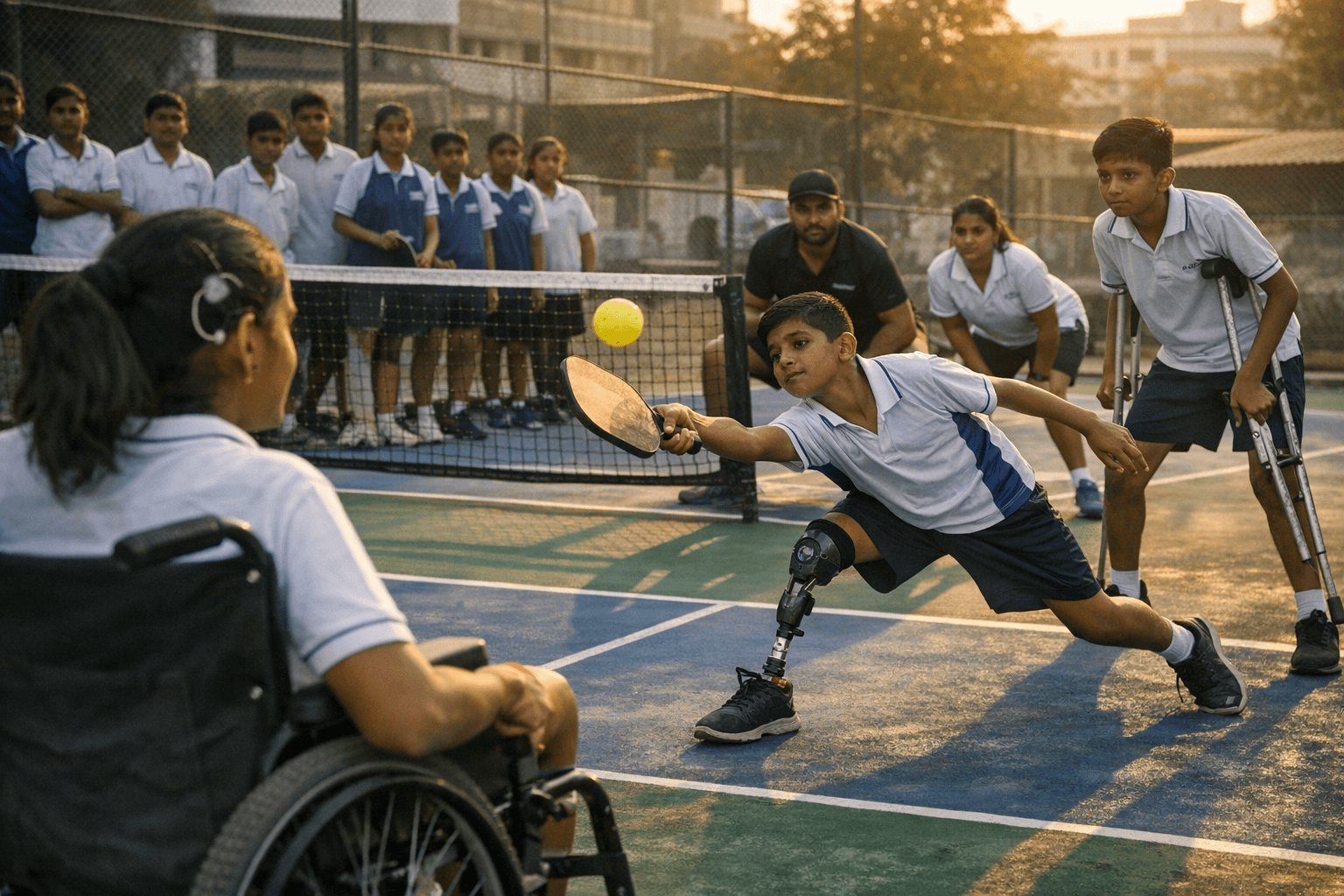
The initiative also signals how adaptive pickleball development can scale. Using a global rating system avoids parallel tracks and sends a message that differently abled players belong in the same competitive ecosystem. Tournament directors, club organizers and coaches now have a working example of how to prepare, register and integrate para athletes without building separate infrastructure from scratch.
Expect the practical effects to unfold over months as registered players enter local events and clubs adapt coaching routines. AIPA and Mauli School leadership aim to expand access and competitive opportunities, and the DUPR registrations give those efforts measurable momentum. For players, coaches and organizers, the pathway makes inclusion concrete—rated players, shared courts, and clearer routes from school programs to competitive pickleball.
Sources:
Know something we missed? Have a correction or additional information?
Submit a Tip