India’s youth protest movement gains backing after New Delhi clashes
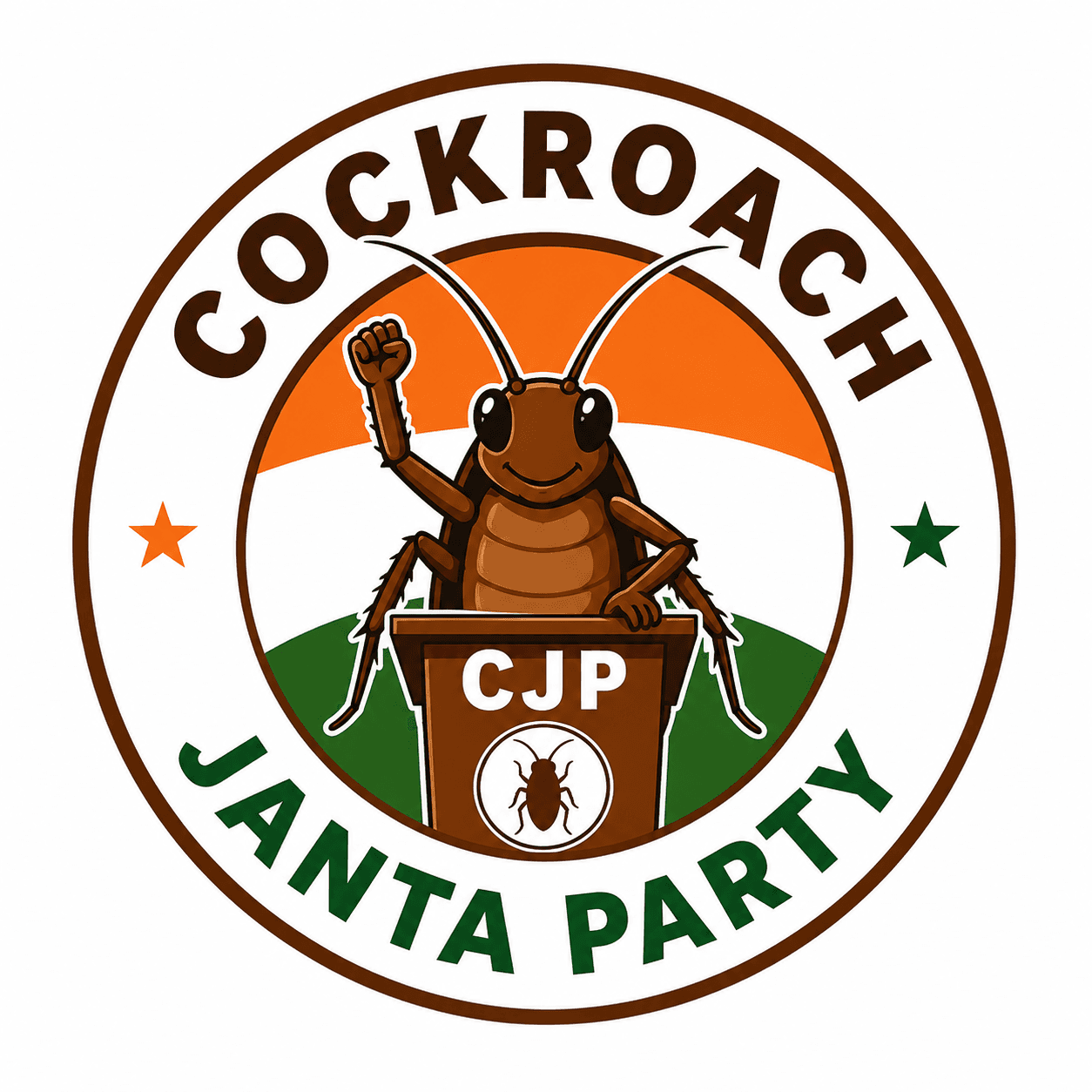
Congress backed the CJP after Delhi police injuries topped 180, as the youth-led protest over exam leaks and jobs shifted from satire to a real anti-government test.
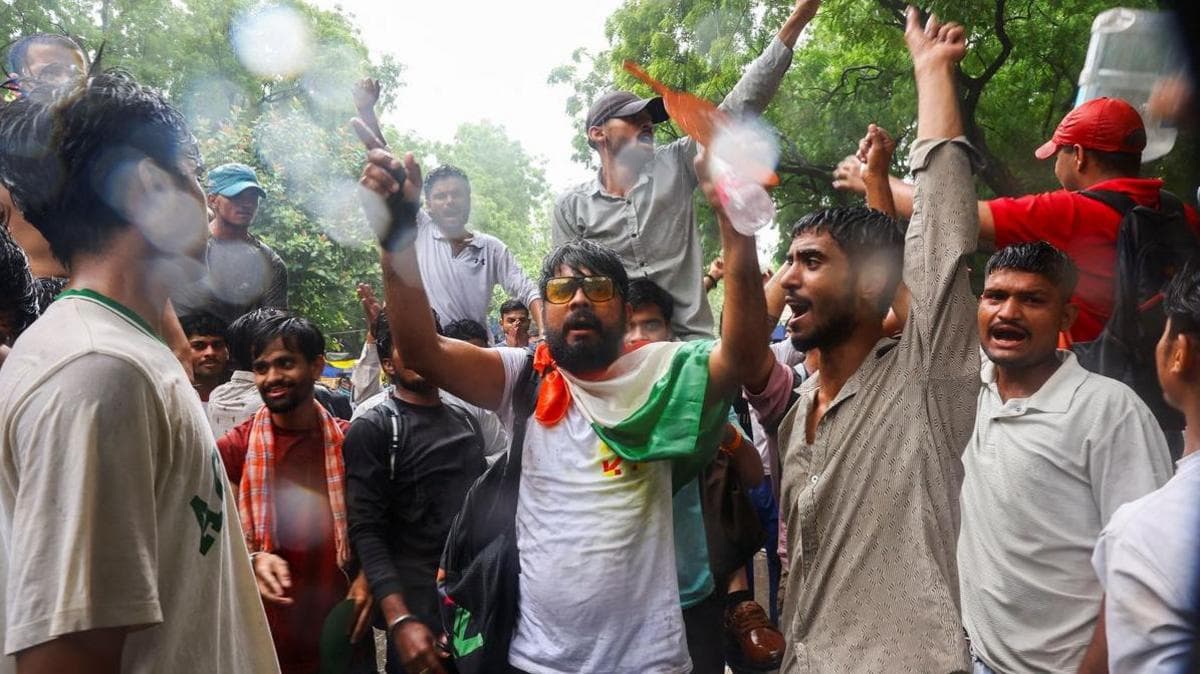
Congress lawmakers joined a protest outside the prime minister’s house in New Delhi on Tuesday, giving a boost to the Cockroach Janta Party after a day of clashes that left nearly 180 people injured. The youth-led movement had drawn more than 50,000 people toward Parliament despite a police ban, barricades and repeated lathi-charges.
The CJP’s rapid rise has turned an exam scandal into a broader challenge over education, jobs and state credibility. The group has pressed for educational reforms and accountability after allegations of paper leaks forced the cancellation of a crucial medical entrance test, deepening anger among students who already face fierce competition for scarce openings.
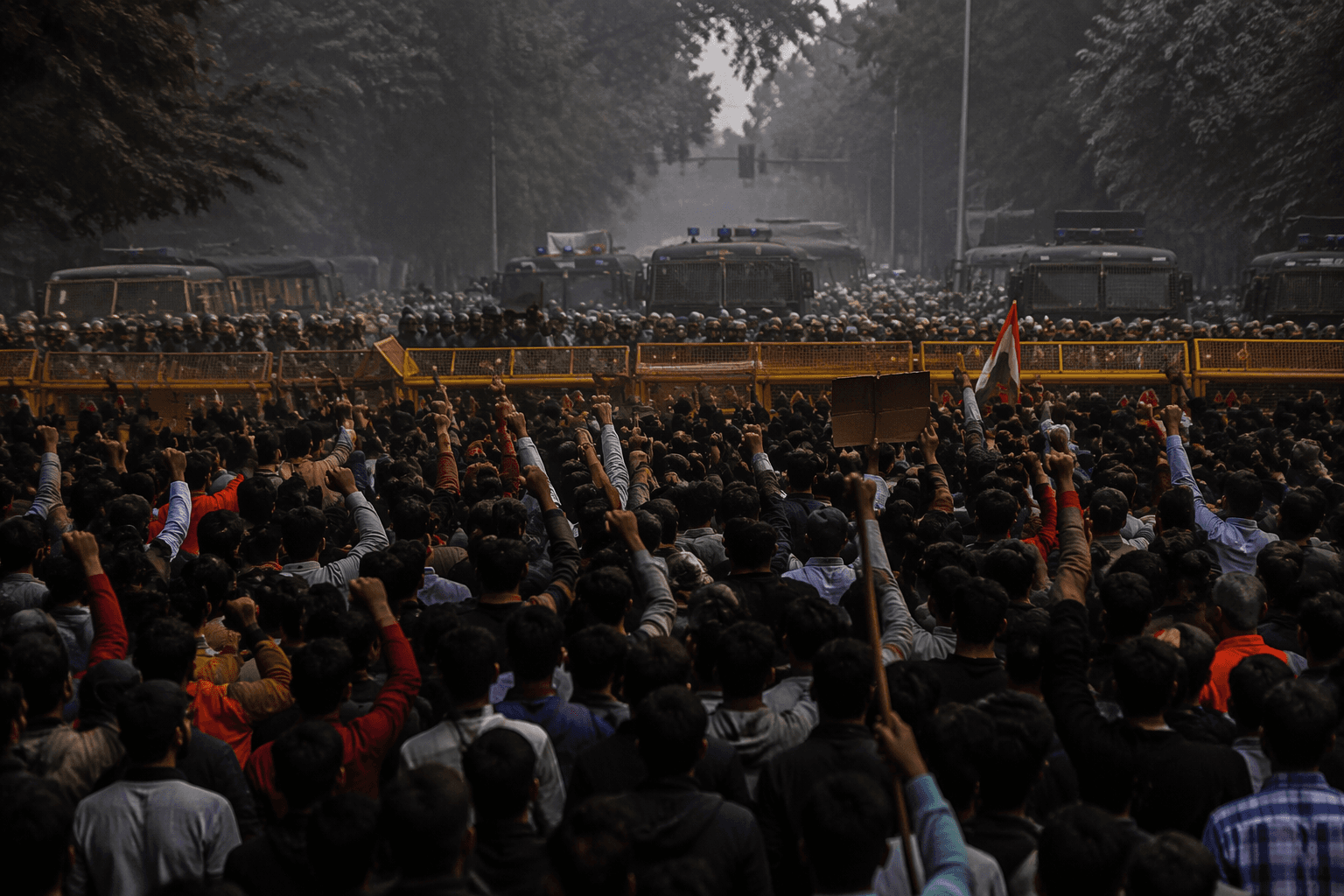
Delhi Police had denied permission for the march and deployed tear gas as crowds pushed toward the parliamentary district on Monday. The movement said on Tuesday that it would continue campaigning but would not attempt another march through New Delhi after the violence. A federal minister later met CJP leaders and promised the government would weigh their demands.
What began only a couple of months ago as a satirical online collective has quickly become one of India’s most visible youth movements. BBC News described the CJP as a “cockroach party” protest that had entered its third day, with tens of thousands of Gen Z demonstrators taking to the streets of Delhi. The movement’s sudden scale has exposed how easily an unusual brand can mask a conventional political grievance, especially when it is tied to exams, recruitment and the prospect of steady work.
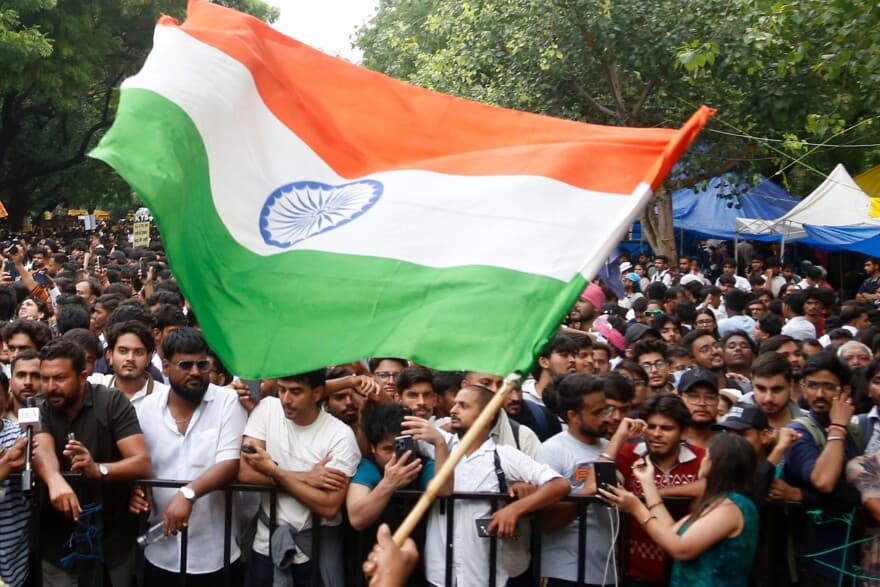
The protests have also broadened beyond the immediate paper-leak scandal. Coverage around the movement linked it to corruption, recruitment irregularities and a wider shortage of opportunities for young people in India. Some posts and reports also tied the controversy to student suicides, with figures varying from around 12 to more than 20 deaths in different accounts.
The pressure has already reached the movement’s leadership. Reuters reported that the founder was picked up by police during the unrest, adding to the sense that the state was responding to the CJP not as a joke but as a fast-growing political problem. With Congress now publicly backing the demonstrators and the government signaling it will review their demands, the protests have moved from online satire to a live test of how much frustration India’s youth can channel into the streets.
This article was produced by Prism’s automated news system from verified source data, official records, and press releases, then run through automated quality and moderation checks before publishing. The system is built and supervised by the people who set the standards it runs under. Read our full AI policy.
Did this article answer your question?