Indonesia court set to rule on corruption case against former minister Nadiem Makarim
An Indonesian court was due to rule on Nadiem Makarim, the Gojek co-founder whose laptop case has become a test of anti-graft power and investor confidence.

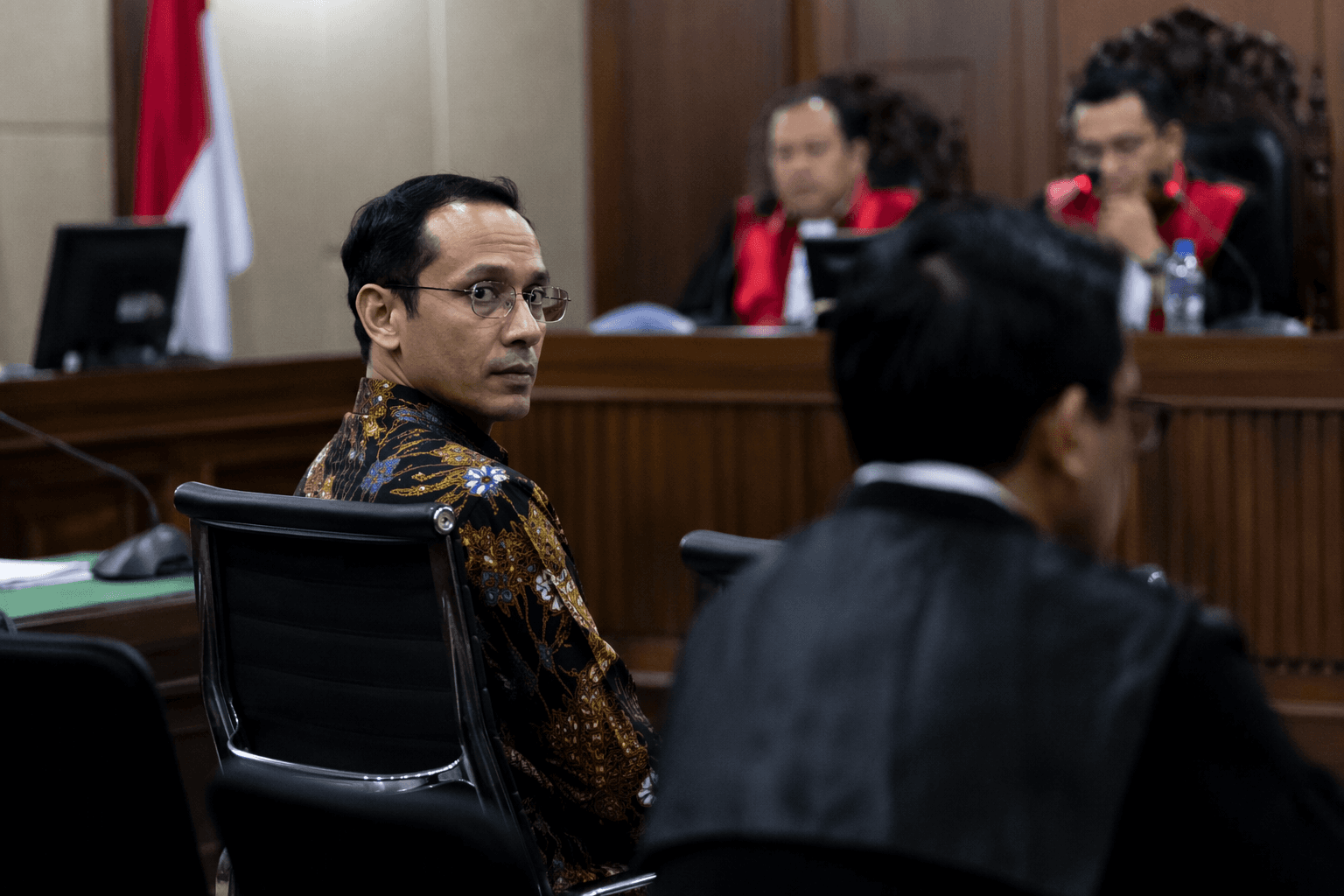
The Central Jakarta District Court was due to announce its verdict on Tuesday in the corruption case against Nadiem Makarim, the former education minister and co-founder of Gojek, whose rise helped define Indonesia’s startup era. The case has put one of the country’s best-known tech figures at the center of a broader fight over how far prosecutors can push corruption law into emergency-era public procurement.
Prosecutors accused Makarim of abusing executive power to enrich himself through a school laptop procurement program run from 2020 to 2022 during the COVID-19 pandemic. They said purchases of Chromebook laptops and Chrome OS software caused about $125 million in state losses and that Makarim personally benefited by about 809 billion rupiah, or $46.33 million, through the program. In May, prosecutors sought an 18-year prison sentence, along with 5.6 trillion rupiah, about $314 million, in restitution and an additional 1 billion rupiah fine.
The procurement was part of a wider digitalization push and was designed to distribute 1.2 million Chromebooks to underdeveloped and remote schools. Local reporting placed the program’s value at about 9.3 trillion rupiah. Prosecutors also alleged that Makarim shaped tender specifications in a way that effectively made Google the sole controller of the education ecosystem in Indonesia. Google was not charged and has denied wrongdoing.
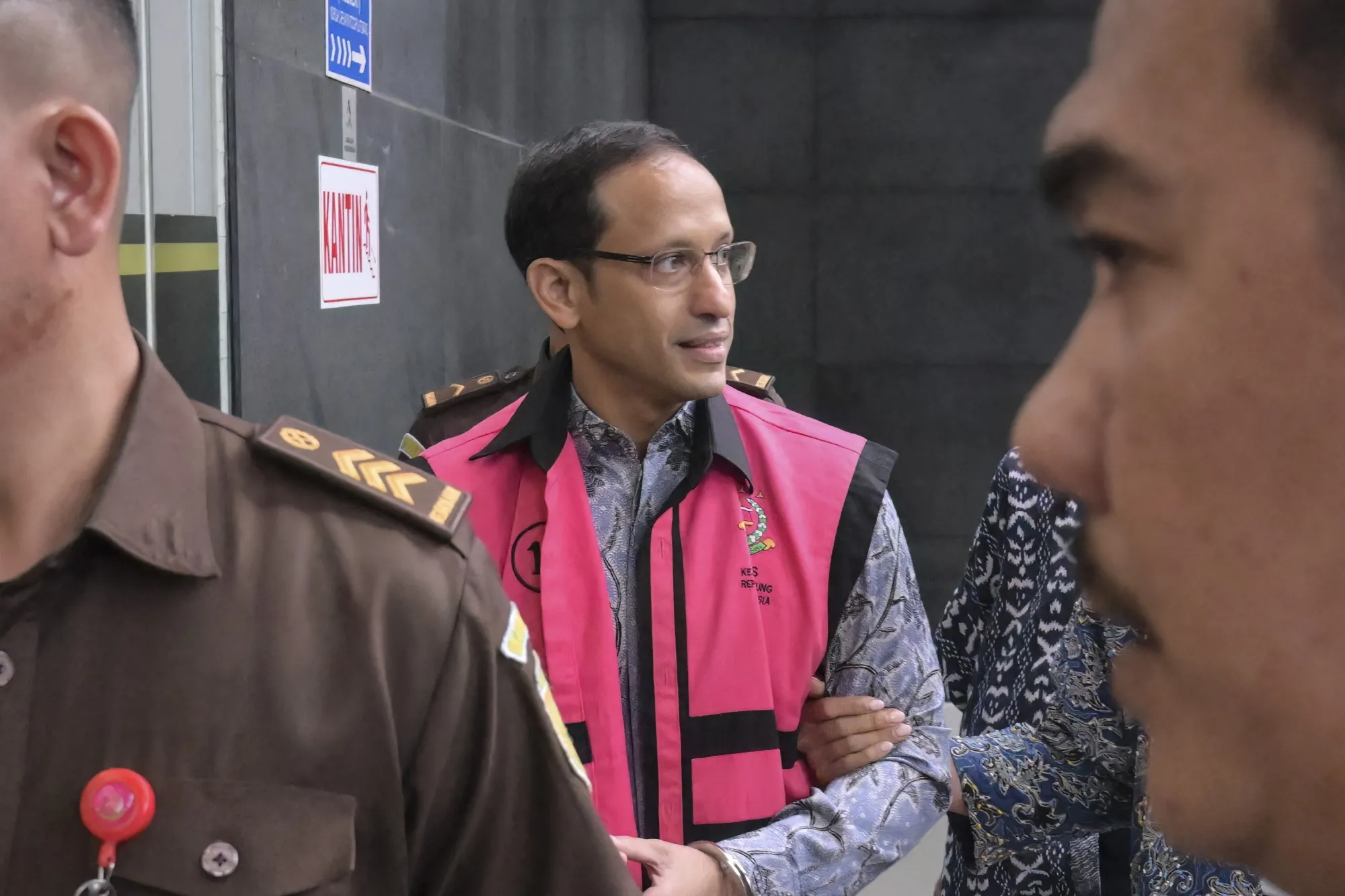
Makarim resigned as chief executive of Gojek in 2019 before entering government and later served as Indonesia’s education minister until 2024. The case has taken on unusual weight because it reaches beyond one man: related rulings in April and June 2026 jailed former education officials tied to the same procurement, including Sri Wahyuningsih, the former director of primary education at the ministry, and the ministry’s former junior high school director, Purwanto Abdullah.

The hearing in Jakarta was set for 10 a.m., and Makarim warned that the case could unsettle investors. His legal team said it has been more than nine months since "the nightmare began." The verdict is being watched as a measure of whether Indonesia’s anti-corruption drive is building institutional accountability or turning public-sector judgment calls into criminal cases, with consequences that extend across the country’s political class and digital economy.
This article was produced by Prism’s automated news system from verified source data, official records, and press releases, then run through automated quality and moderation checks before publishing. The system is built and supervised by the people who set the standards it runs under. Read our full AI policy.
Did this article answer your question?