Indonesia rupiah hits record low as stocks fall and bond yields rise
The rupiah hit a record low as stocks sank 4.8% and yields jumped, a sign rising oil and investor jitters are tightening pressure across emerging markets.

Indonesia’s rupiah slid to a fresh record low as markets reopened, falling as much as 1.2% to 17,669 per U.S. dollar while Jakarta’s benchmark stock index dropped 4.8% and the 10-year bond yield climbed 17 basis points to 6.86%. Global oil prices were also hitting two-week highs, turning a currency selloff into a broader warning signal for one of Southeast Asia’s largest economies.
The pressure matters well beyond Jakarta. Higher crude prices raise Indonesia’s subsidy bill, complicate inflation control and make it harder for Bank Indonesia to defend the currency without tightening financial conditions further. Indonesia’s 2026 fuel-subsidy budget was built on oil at about $70 a barrel, but later reporting put crude above $100, and one estimate said each $1 increase in oil prices adds about IDR 6.8 trillion to the state budget burden. For the U.S., that combination can feed into energy costs, supply-chain stress and a faster retreat in investor risk appetite across emerging markets.

President Prabowo Subianto tried to calm the selloff on Saturday in East Java, including at a cooperative launch in Nganjuk, saying villagers were not meaningfully exposed because they do not transact in dollars. He also argued that Indonesia’s fundamentals remained strong and referred to Finance Minister Purbaya Yudhi Sadewa. Markets did not take the reassurance as a shield. The rupiah’s latest fall came after weeks of mounting unease over spending plans, transparency and the central bank’s independence.
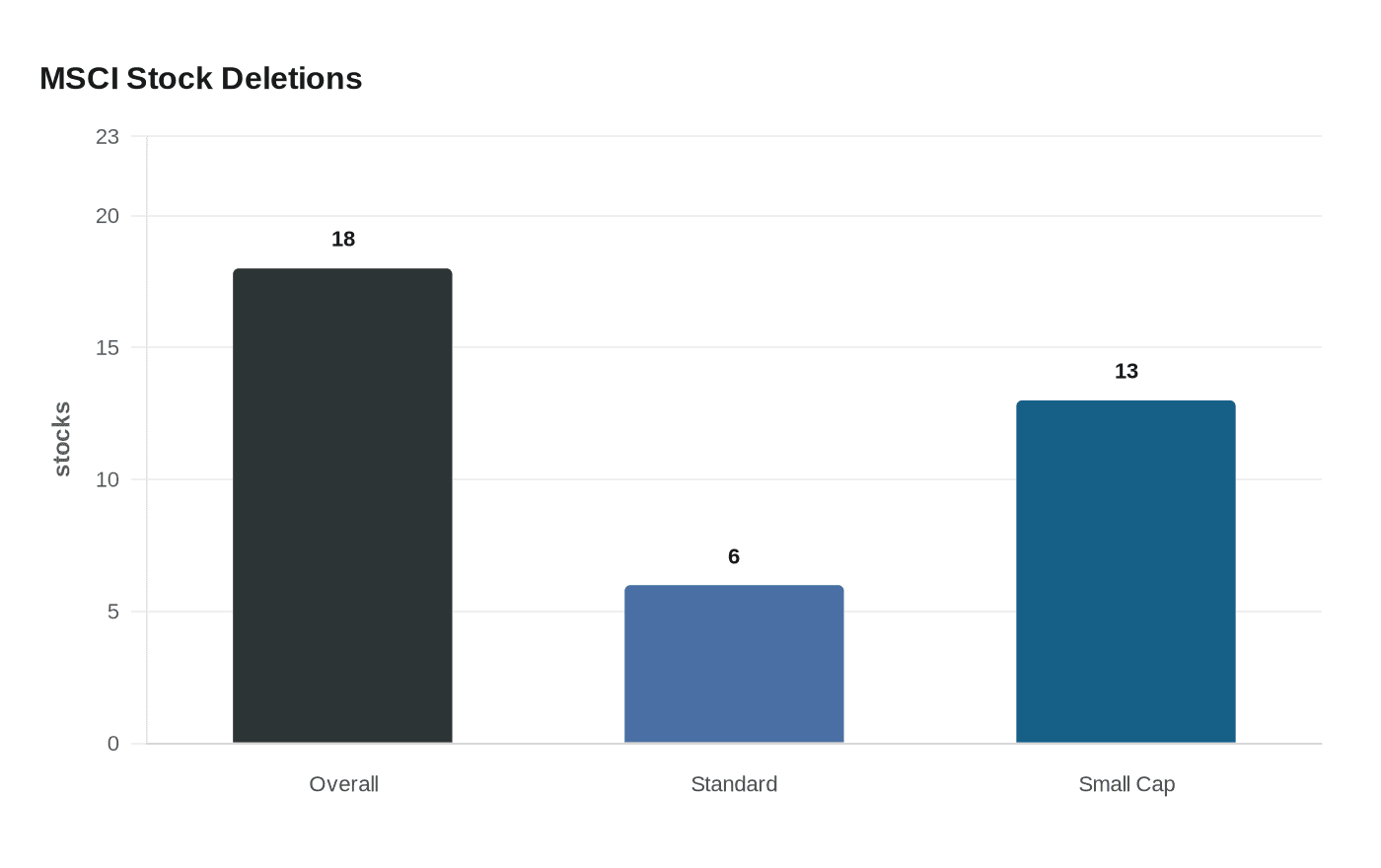
Sentiment was also bruised by Morgan Stanley Capital International’s May 2026 index review, which removed 18 Indonesian stocks overall. Separate reports said six names were cut from the MSCI Standard Index and 13 from the Global Small Cap Index, with changes taking effect on June 1. That matters because index deletions can push foreign investors to sell, further weakening a market already under pressure from a sliding currency and rising yields.
Bank Indonesia has said it has sufficient foreign-exchange reserves for strong intervention, and Governor Perry Warjiyo said earlier in May that the central bank could act forcefully if needed. Senior Deputy Governor Destry Damayanti later pledged “smart interventions” through spot transactions and offshore and domestic non-deliverable forwards. The central bank is due to review policy on Wednesday, giving officials a narrow window to steady expectations after the rupiah first breached the 17,400s in early May and tightened dollar-purchase rules failed to stop the decline.
This article was produced by Prism’s automated news system from verified source data, official records, and press releases, then run through automated quality and moderation checks before publishing. The system is built and supervised by the people who set the standards it runs under. Read our full AI policy.
Did this article answer your question?
%3Amax_bytes(150000)%3Astrip_icc()%2FCertificate-of-deposit-2301f2164ceb4e91b100cb92aa6f868a.jpg&w=1920&q=75)