Indonesia Summons Meta and Google Over Child Social Media Age Restrictions
Indonesia summoned Meta and Google just three days after its landmark child social media ban took effect, with only a minority of platforms in full compliance.
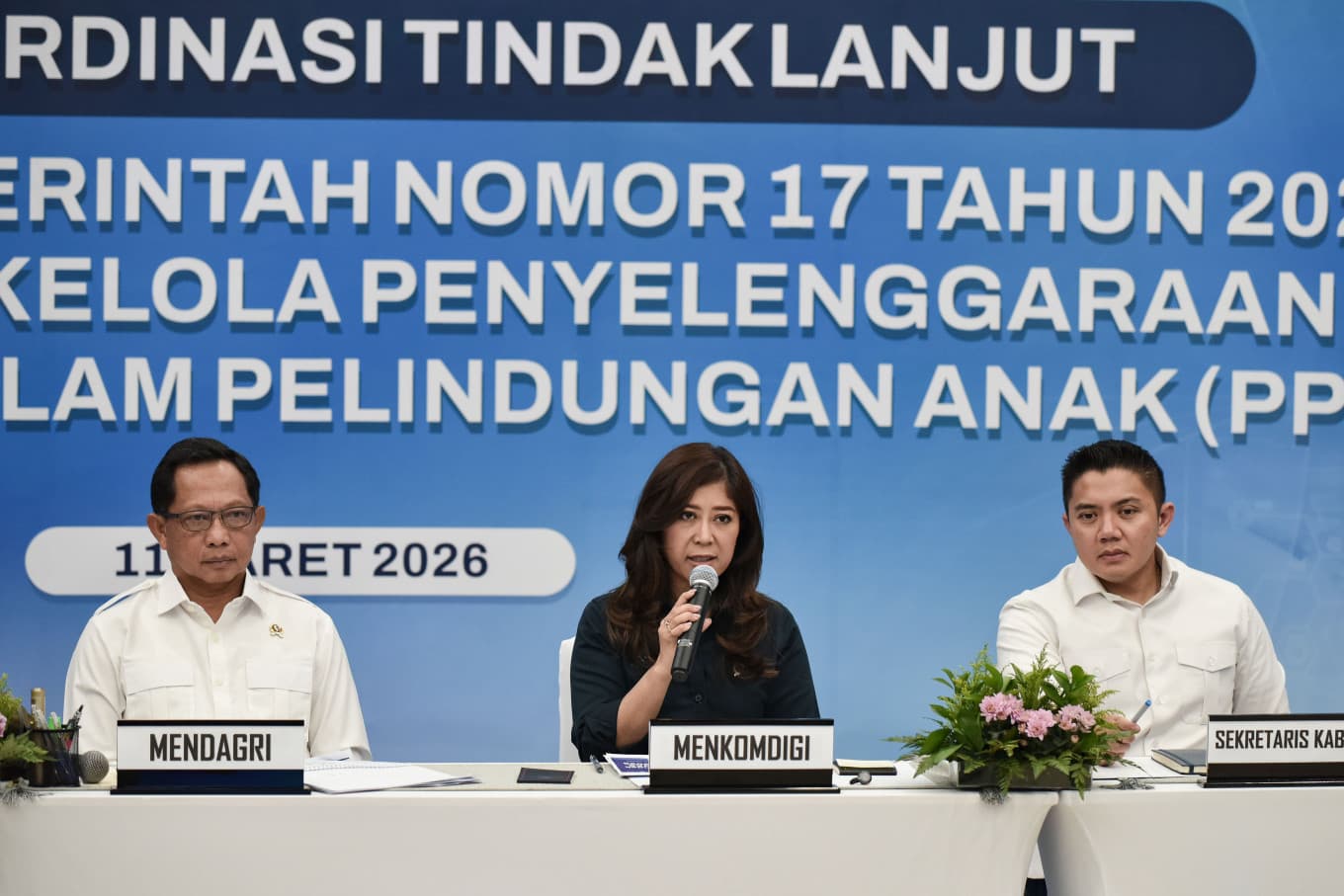
Indonesia's government moved swiftly to enforce its new child online safety rules, summoning representatives from Meta and Google on March 30 and 31 after both companies failed to comply with a regulation that took effect just days earlier requiring platforms to block children under 16 from creating accounts on high-risk services.
Communications and Digital Affairs Minister Meutya Hafid announced the formal summons in a video statement, describing the letters as the first step in a structured administrative enforcement process. She made clear the government expects full compliance from platforms operating in Indonesia, and that the ministry was prepared to escalate to fines or other penalties if companies failed to meet their obligations under the new rules.
The regulation at the center of the dispute, Government Regulation No. 17 of 2025, known as PP Tunas, along with its implementing ministerial decree Permen No. 9/2026, came into force on March 28. Under its terms, digital platforms must evaluate their own risk profiles and enforce age restrictions accordingly. Platforms designated as high-risk, a list that includes YouTube, TikTok, Facebook, Instagram, X, Bigo Live and Roblox, were required to deactivate accounts belonging to users under 16 or to implement robust age verification systems and parental controls. The ministry noted that only a minority of platforms had reached full compliance in the initial days following the rule's activation.
Meta, the parent company of Facebook, Instagram and Threads, and Google, which operates YouTube, told regulators they would coordinate with the ministry on risk assessments and compliance steps. But the response left key technical questions unresolved. Industry observers pointed to the difficulty of verifying user age at scale without creating privacy complications, and warned that immediate account deactivation risked cutting off legitimate teenage users while companies worked through implementation challenges. Globally operating platforms face particular friction reconciling country-specific mandates with their existing infrastructure and privacy frameworks.

Indonesian authorities framed the regulation as a direct response to concerns about harmful content, cyberbullying and addiction among young users, drawing a line with policies gaining traction in Australia and parts of Europe that have similarly tightened youth access to major social networks.
The enforcement action carries weight beyond Indonesia's borders. With one of the largest social media user bases in the world, Indonesia presents a significant commercial footprint for every major platform named in the regulation. If Jakarta follows through on administrative sanctions, companies could face mounting pressure to accelerate the development of country-specific age verification tools rather than risk market access. The summons issued this week signal that Indonesia's regulators are not treating PP Tunas as a symbolic measure, and governments in other jurisdictions watching the case may draw their own conclusions about the viability of national enforcement against global technology firms.
This article was produced by Prism’s automated news system from verified source data, official records, and press releases, then run through automated quality and moderation checks before publishing. The system is built and supervised by the people who set the standards it runs under. Read our full AI policy.
Did this article answer your question?