Infantino backs red cards for players covering mouths in confrontations
FIFA moved to make mouth-covering in confrontations a red-card offense, forcing referees to judge secretive taunts in real time.
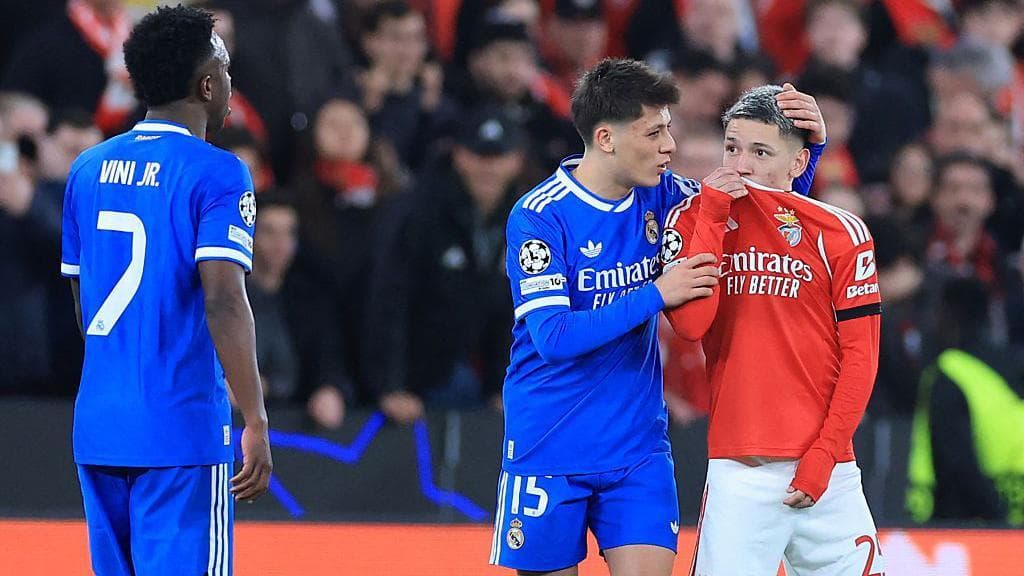
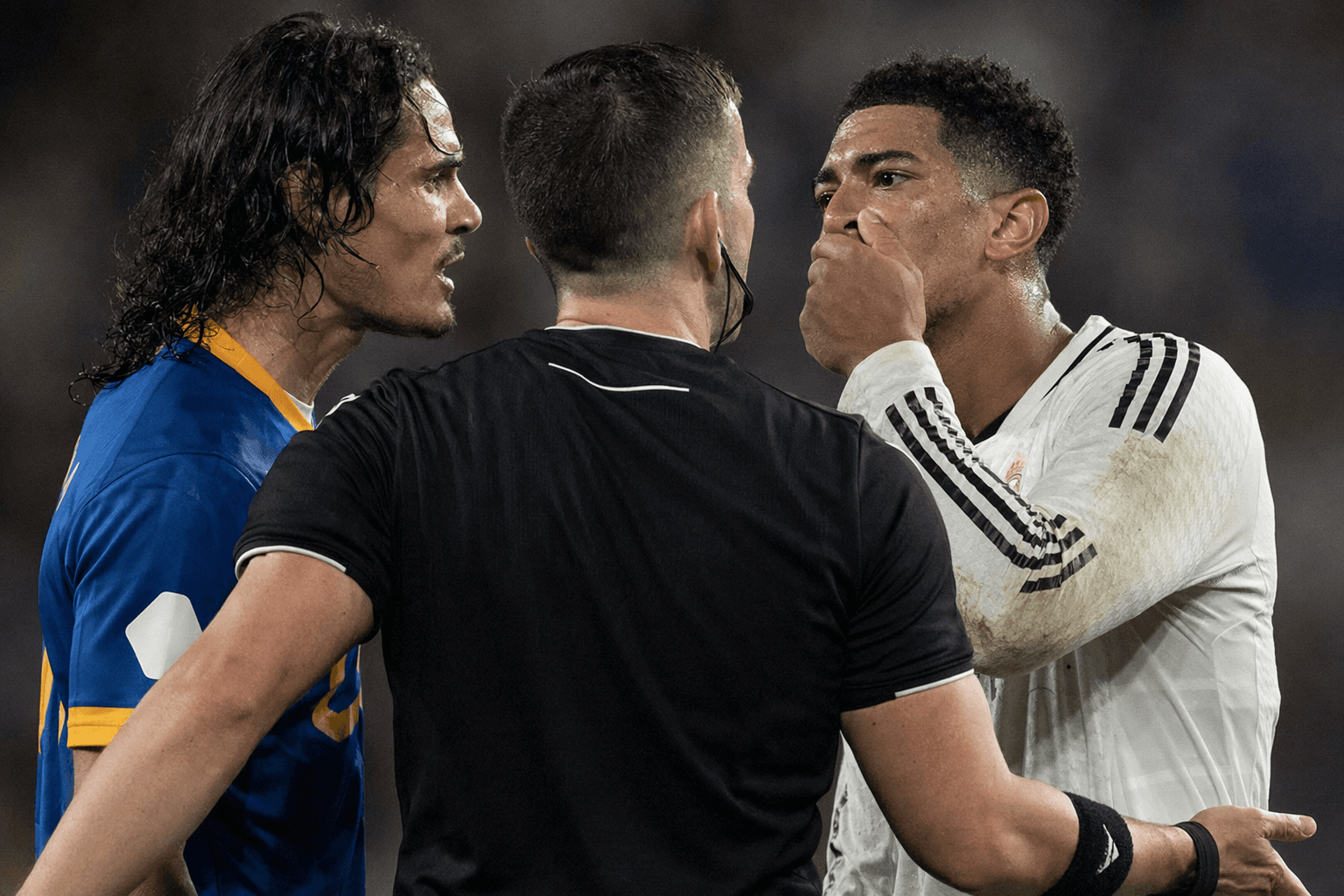
FIFA is trying to turn a familiar on-field habit into a disciplinary trigger: if a player covers his mouth while confronting an opponent, referees may now show a red card. The move is aimed at curbing secretive taunting and abuse, but it also pushes match officials into judging intent from a fleeting gesture that can look like shielding words, hiding profanity or simply blocking lip readers.
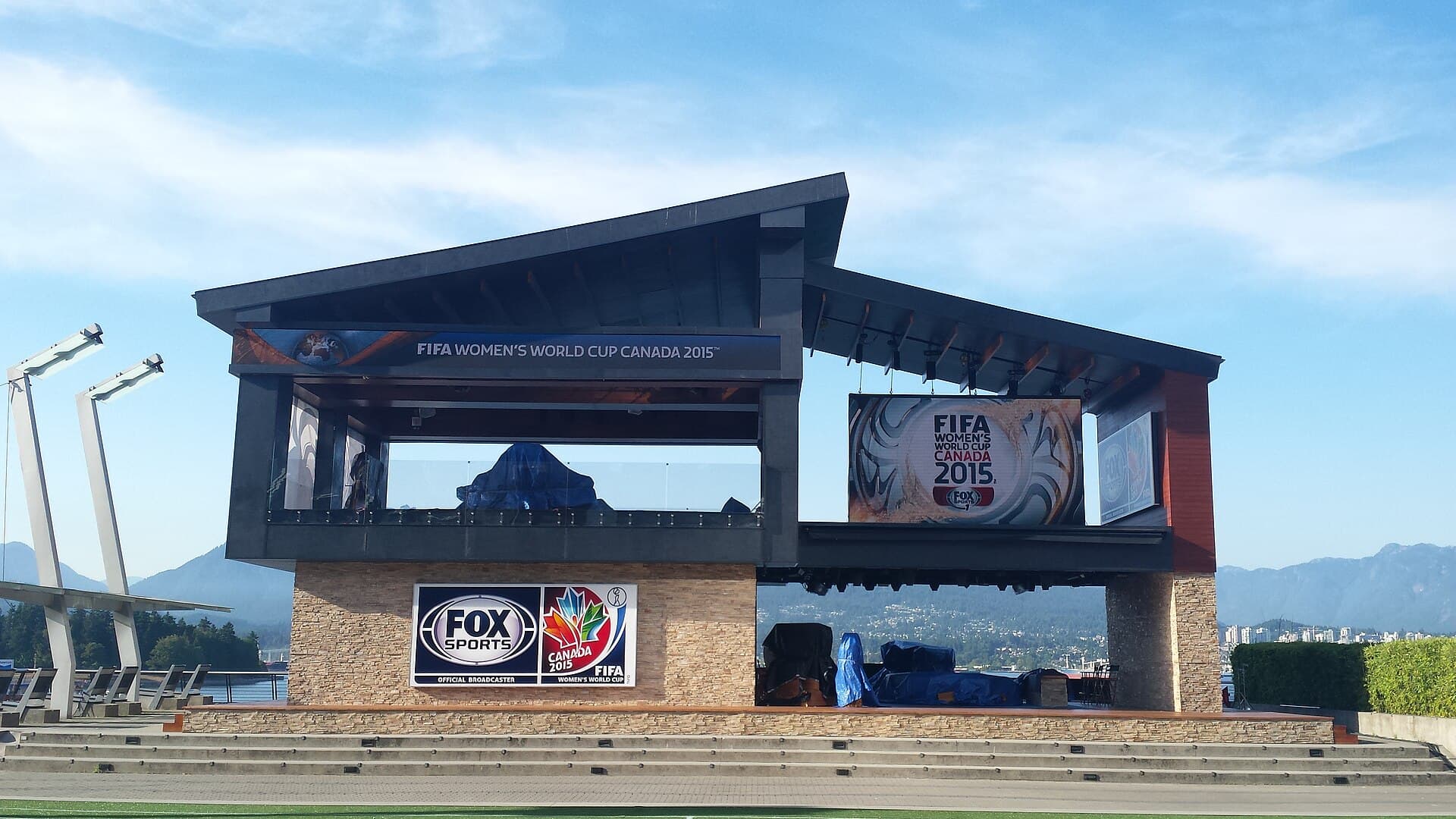
On April 28, The IFAB unanimously approved two FIFA-proposed law changes at a special meeting in Vancouver. One allows a red card for a player who covers his mouth in a confrontational situation with an opponent. The other gives referees the power to dismiss players who leave the field in protest at a decision, while team officials who incite such actions can also be sent off. FIFA said teams that cause a match to be abandoned will, in principle, forfeit.
The rules are set to be used at the 2026 World Cup, where FIFA says 48 teams will compete in the United States, Canada and Mexico. FIFA said the decision followed consultations with key stakeholders after the IFAB annual general meeting in February, reflecting a fast push to tighten control over behavior that has become both harder to read and easier to exploit.
The trigger for the debate was a February confrontation involving Real Madrid forward Vinícius Júnior and Benfica’s Gianluca Prestianni. Vinícius said he was racially abused while Prestianni covered his mouth, and UEFA opened an investigation. Prestianni was later banned for discriminatory conduct, with media reports saying he was provisionally suspended for the second leg.
Gianni Infantino has backed the stricter line, arguing that a player who covers his mouth in that setting should be presumed to have said something improper. Mark Bullingham, the English Football Association chief executive and an IFAB member, said there are very few legitimate reasons for a player confronting an opponent to cover his mouth. That reasoning gives referees a clearer standard, but it also raises the practical question at the center of the policy: can officials tell, in real time, the difference between normal on-field chatter, a calculated attempt to hide abuse and the kind of gamesmanship that has long lived in the gray area of football’s confrontations?
This article was produced by Prism’s automated news system from verified source data, official records, and press releases, then run through automated quality and moderation checks before publishing. The system is built and supervised by the people who set the standards it runs under. Read our full AI policy.
Did this article answer your question?
.jpg&w=1920&q=75)