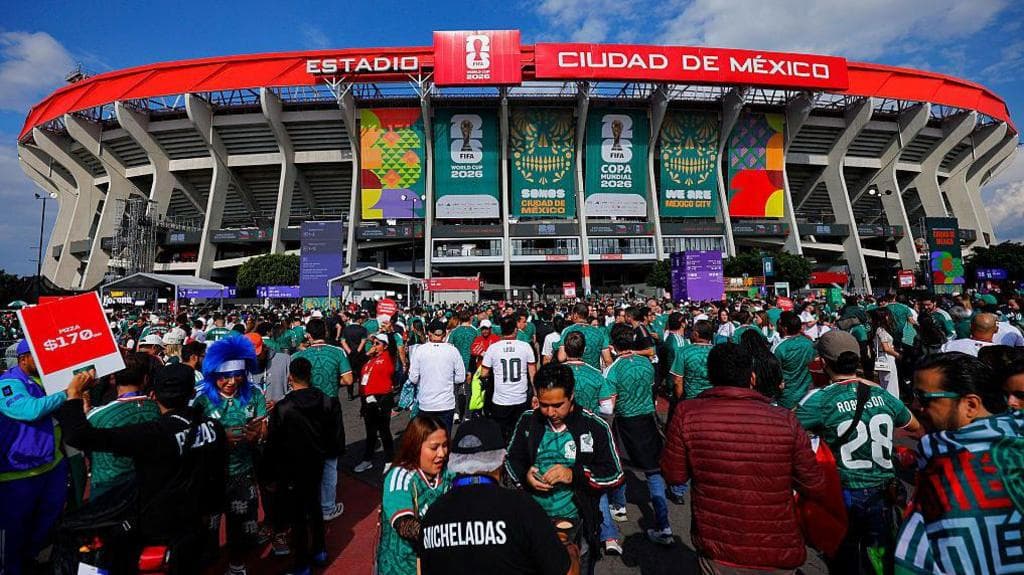
Infantino defends World Cup ticket prices, visa handling ahead of kickoff
High ticket prices and FIFA’s visa fix put the 2026 World Cup’s accessibility under scrutiny as Infantino brushed off questions about who can afford to get in.

High ticket prices and a new visa workaround have turned the 2026 World Cup into a test of whether FIFA can deliver a tournament ordinary fans can actually reach. Gianni Infantino defended both the pricing structure and the immigration handling in Mexico City on the eve of kickoff, arguing that FIFA’s model fits North American sports markets even as list prices climb far beyond the seats most supporters can afford.
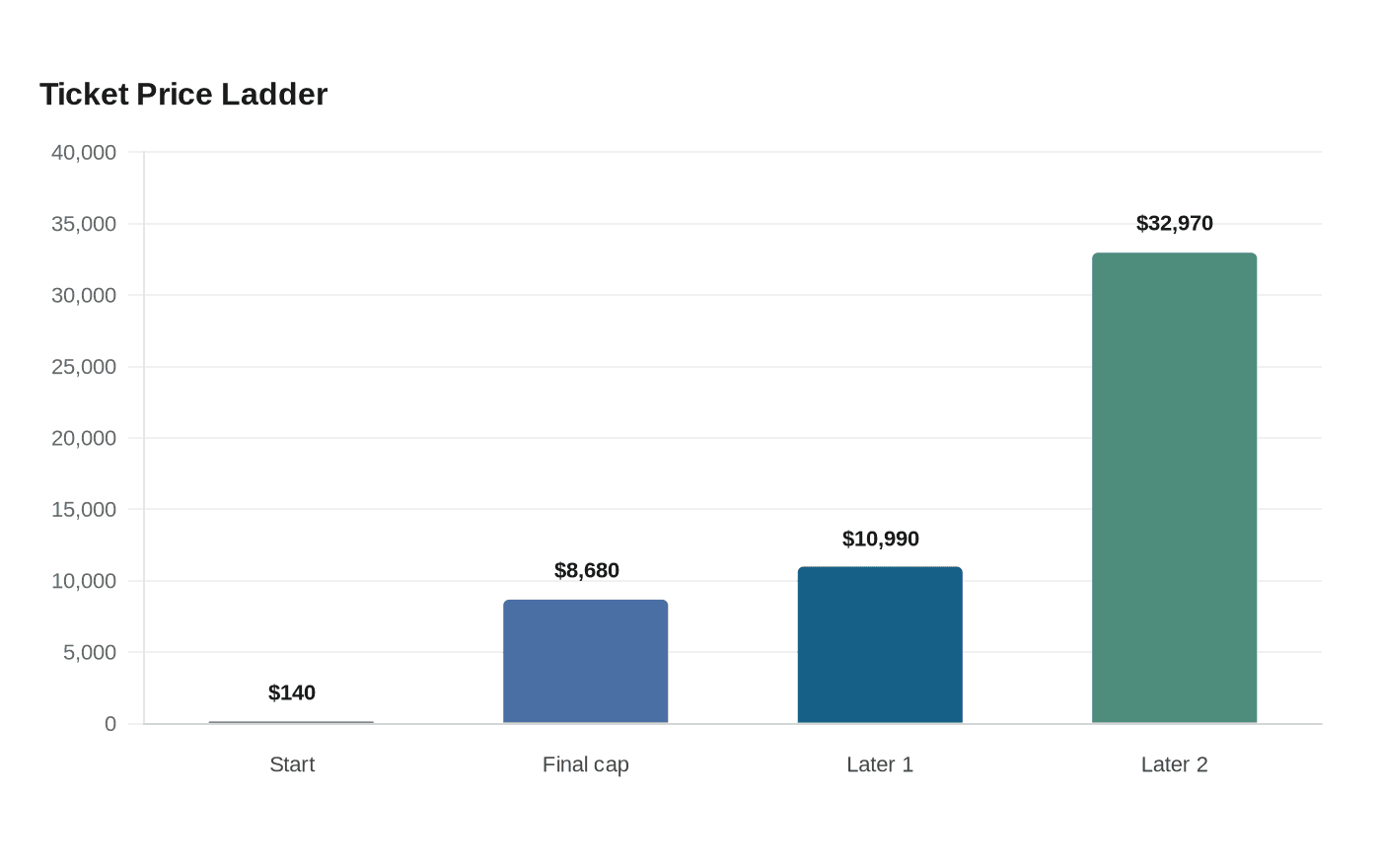
Infantino said FIFA’s average ticket price was under $500 for the 48-team, 104-match event co-hosted by the United States, Mexico and Canada. But the price ladder has been steep: tickets started at $140, regular seats for the final in New Jersey were priced up to $8,680, and later rose to $10,990 and then $32,970. FIFA also set aside 130,000 tickets at $60 through national federations, though that allotment sits inside a tournament expected to draw roughly 6 million to 7 million tickets overall.
FIFA later said on its own site that the $60 Supporter Entry Tier applies to all 104 matches, including the final, and was designed to help fans follow their teams across the tournament. The governing body also said nearly two million tickets had been sold in the first two general-public sales phases, after receiving 20 million requests in an earlier random-selection draw. That scale of demand may help explain the pressure to fill stadiums, but it also sharpens the central question facing the tournament: whether FIFA is pricing in broad access or simply monetizing scarcity.

The immigration side of the story is just as sensitive. FIFA has introduced FIFA PASS, a priority visa appointment system for ticket purchasers and their ticketed guests traveling to the United States, linking the event’s commercial and border-policy machinery more tightly than ever. The move follows the case of Omar Abdulkadir Artan, whose U.S. entry was denied despite a valid visa. FIFA’s records list Artan as a Somali referee with international status since 2018, and the organization said he was the first Somali-born referee to officiate at a World Cup.
Infantino called that decision “unfortunate” and told critics to “chill,” saying FIFA cannot overrule governments or police forces. He also said, “We are very relaxed about it,” and added that FIFA welcomed any review by the attorneys general in California, New Jersey, New York and Texas. But with the first expanded men’s World Cup still days away, the bigger issue is not whether FIFA can deflect criticism. It is whether the tournament is becoming less accessible before the first ball is even kicked.
This article was produced by Prism’s automated news system from verified source data, official records, and press releases, then run through automated quality and moderation checks before publishing. The system is built and supervised by the people who set the standards it runs under. Read our full AI policy.
Did this article answer your question?