Inhaled insulin offers injection-free option for type 1 diabetes
An inhaled insulin may spare some type 1 diabetes patients mealtime shots, but it still leaves many on basal insulin and excludes people with lung disease.
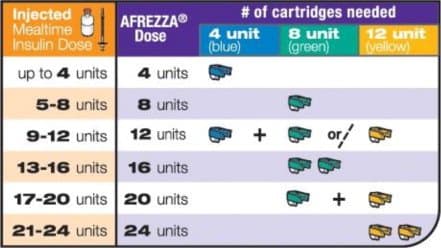
An inhaled insulin may reduce mealtime injections for some people with type 1 diabetes, but it is not a universal replacement. Afrezza, a rapid-acting inhaled human insulin, is FDA-approved and now indicated to improve glycemic control in adult and pediatric patients 6 years of age and older with diabetes mellitus.
The practical tradeoff is sharp. Afrezza may appeal to patients who struggle with multiple daily injections and want a faster-acting mealtime option, but the FDA label warns that it can cause acute bronchospasm in people with asthma or COPD. It is contraindicated in chronic lung disease, requires spirometry before starting, and is not recommended for people who smoke or who have recently stopped smoking.

Evidence for type 1 diabetes has been building. In a 2024 randomized trial published in Diabetes Care, 123 adults with type 1 diabetes at 19 sites were assigned either inhaled Technosphere insulin plus insulin degludec or usual care for 17 weeks. The inhaled-insulin group had noninferior HbA1c outcomes, and the most common side effect was a brief cough. Eight participants stopped because of side effects.
That matters because type 1 diabetes requires lifelong insulin therapy, and the burden of repeated injections can affect adherence and quality of life. Afrezza does not eliminate insulin treatment, though. The latest trial paired inhaled Technosphere insulin with insulin degludec, underscoring that many patients would still need a basal insulin alongside the inhaled mealtime drug.
Afrezza’s path also carries historical baggage. The first inhaled insulin, Exubera, won FDA approval in 2006 before being withdrawn from the market for commercialization reasons. Afrezza was later approved in 2014 and remains available, giving inhaled insulin a second chance after an early setback.
Regulators have also refined how the drug is used. In December 2024, the FDA approved a supplement revising starting mealtime dosage instructions and updating labeling for transition from insulin pumps to Afrezza with basal insulin. At the same time, research is still moving forward. A clinical trial called INHALE-AIDEx began June 5, 2025, testing inhaled Technosphere insulin against rapid-acting analogue insulin for exercise-induced hypoglycemia in adults with type 1 diabetes using automated insulin delivery, with completion estimated for May 31, 2026.
For patients, the question is no longer whether inhaled insulin is real. It is whether the convenience is worth the limits, and whether it can fit alongside the injections, devices and monitoring that still define daily diabetes care.
This article was produced by Prism’s automated news system from verified source data, official records, and press releases, then run through automated quality and moderation checks before publishing. The system is built and supervised by the people who set the standards it runs under. Read our full AI policy.
Did this article answer your question?


