Inside the roar of fans savoring Messi’s likely final World Cup
Messi's likely final World Cup has turned every appearance into a communal scramble for meaning, with fans traveling, spending, and grieving in real time.
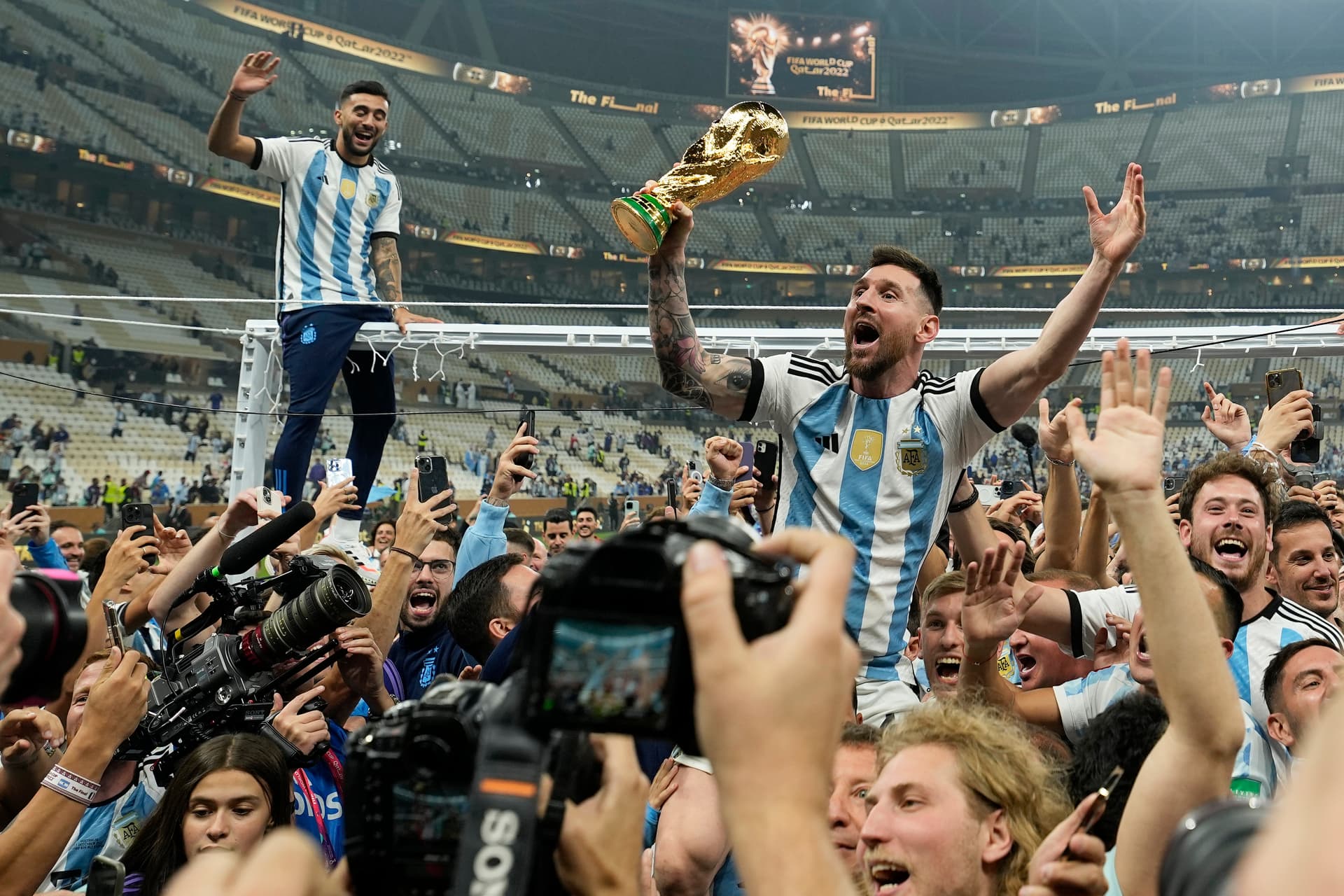
Messi’s World Cup has become less like a tournament run and more like a finite public ritual. Because he already won the title with Argentina in 2022, fans now read every appearance as a possible last one, and that scarcity changes how they travel, spend, and hold onto the moment.
The calendar of a farewell
Messi’s tournament story begins with a bang in 2006, when he announced himself at the World Cup with a goal in Argentina’s 6-0 win over Serbia and Montenegro. It then stretches through the heartbreaks that made the 2022 title feel like a release, not just a victory, and into FIFA’s current framing of him as a player who could appear in a record sixth World Cup in 2026. That arc is why his matches now feel like chapters closing in public.
The scale of the 2022 breakthrough matters because it ended a long chase. FIFA said Messi played his 26th World Cup match in the final, setting the appearance record at the time, and also became the first player in World Cup history to score in the group stage, round of 16, quarter-final, semi-final and final. By the time Argentina lifted the trophy, his place in the sport had shifted from star status to something closer to inheritance, a career that supporters were already learning to measure in memories.
What fans sacrifice to be near him
The devotion around Messi is not abstract, and it is not cheap. In FIFA’s documentary on Argentina’s title run, Emiliano Martínez says some supporters sold houses or cars to make the trip to Qatar, a detail that captures how fandom can demand real financial sacrifice from ordinary people. That kind of spending exposes the inequality inside global sport: those closest to the game’s elite moments are often the ones risking the most stability to get there.
The return journey carried the same scale of feeling. When Argentina came home with the trophy, thousands of fans accompanied the team’s plane as it arrived in Buenos Aires at 2.26am, turning the arrival into a citywide vigil for a title people had waited generations to see. Argentina’s supporters were later honored with FIFA’s Fan Award in February 2023, recognition of the noise, distance, and endurance they brought to Qatar.
The choreography of Messi’s calm
Part of why fans cling to Messi’s appearances is that he still carries himself with unusual restraint inside the chaos. Before the 2022 final, he stopped to take photos with two disabled fans and mascots, then greeted France coach Didier Deschamps and French players, including Kylian Mbappé. Those small gestures mattered because they showed a player operating at the height of pressure without surrendering his composure.
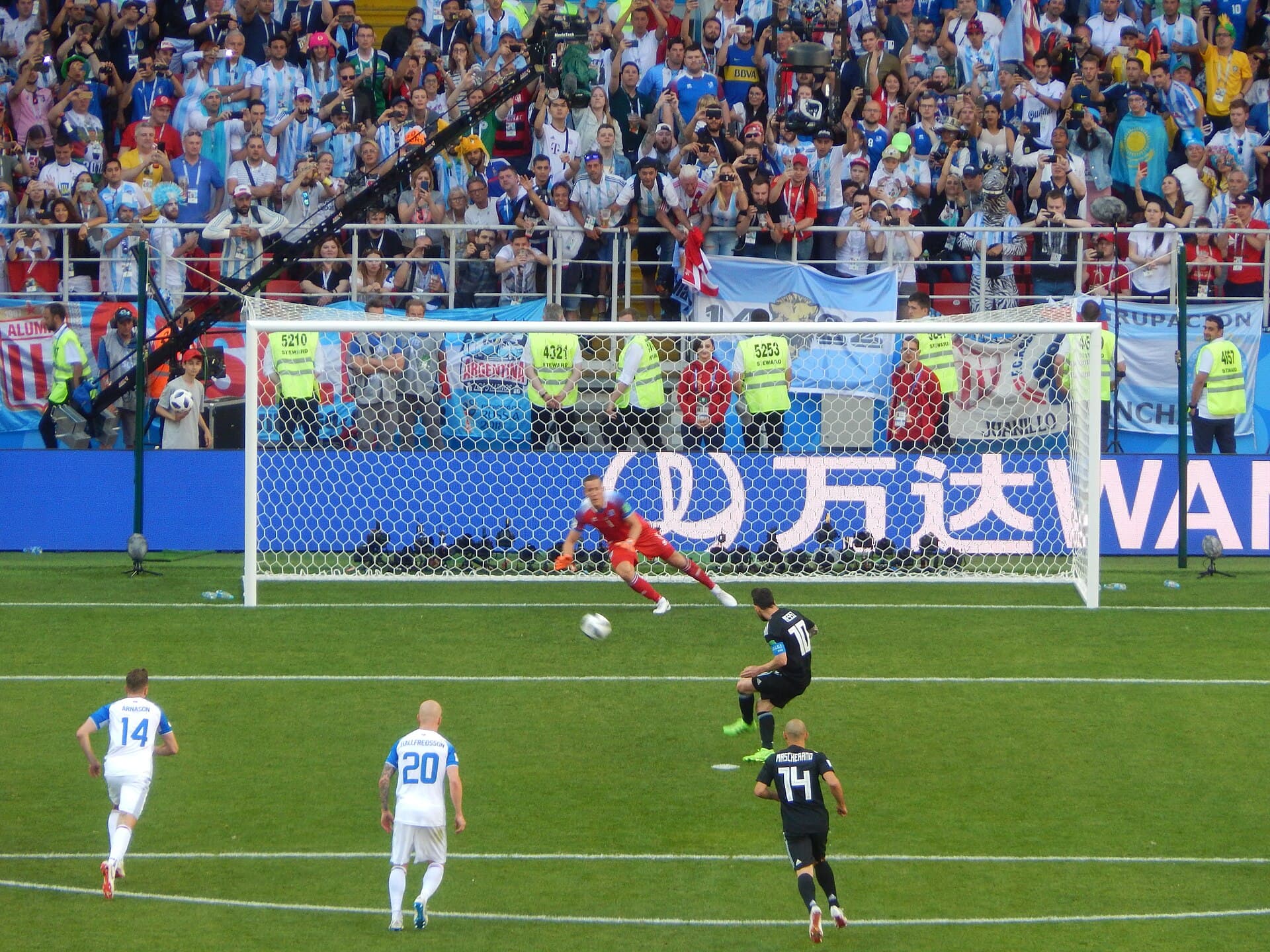
That calm has become part of the appeal. Messi does not just embody Argentina’s footballing success, he also makes the biggest stage look momentarily human, even intimate, as if the distance between the superstar and the crowd could narrow by a few feet before kickoff. For fans who have crossed oceans or emptied savings to see him, those seconds are not filler. They are the proof that the pilgrimage was worth it.
Records that sharpen the sense of scarcity
The records only intensify the feeling that this is a last run worth savoring. FIFA’s celebration of his career has tracked him at 16 World Cup goals and, in its 2026 coverage, placed him as the tournament’s all-time top scorer after a goal against Austria. Add that to the 56 million likes on his Instagram post celebrating Argentina’s 2022 World Cup win, the most-liked post in Instagram history at the time, and his legacy appears as both stadium noise and digital mass emotion.
Those numbers matter because they reveal how Messi’s life in the World Cup has become a shared timeline. He is no longer only a striker or captain, but the link between Argentina’s old wounds and its cathartic release in 2022. The fan response follows that same structure, with each appearance carrying the pressure of another goodbye that has not been formally announced.
Why 2026 feels different
The question around 2026 remains unsettled in the public record, which is part of the emotional charge. FIFA has placed him in the frame for a record sixth World Cup, while recent reporting says Argentina coach Lionel Scaloni believes Messi will keep playing for Argentina as long as he wants and is not being rushed back from fitness issues. That combination of possibility and uncertainty is exactly what makes the current moment feel fragile.
For supporters, the point is not only whether he will play again, but what it means to watch a career that has already reached its summit and is still refusing to flatten into memory. Each appearance now carries the weight of a final procession, from the first whistle to the last photo with the crowd. That is why the roar around Messi sounds different: it is the noise of people trying to keep time from moving too quickly.
This article was produced by Prism’s automated news system from verified source data, official records, and press releases, then run through automated quality and moderation checks before publishing. The system is built and supervised by the people who set the standards it runs under. Read our full AI policy.
Did this article answer your question?