Installer No. 131 spotlights World Cup distractions and picks
Installer No. 131 turns World Cup week into a case study in fandom. Its picks point to a bigger shift: internet-born properties are now filling theaters because their audiences already exist.
A newsletter built for the distraction economy
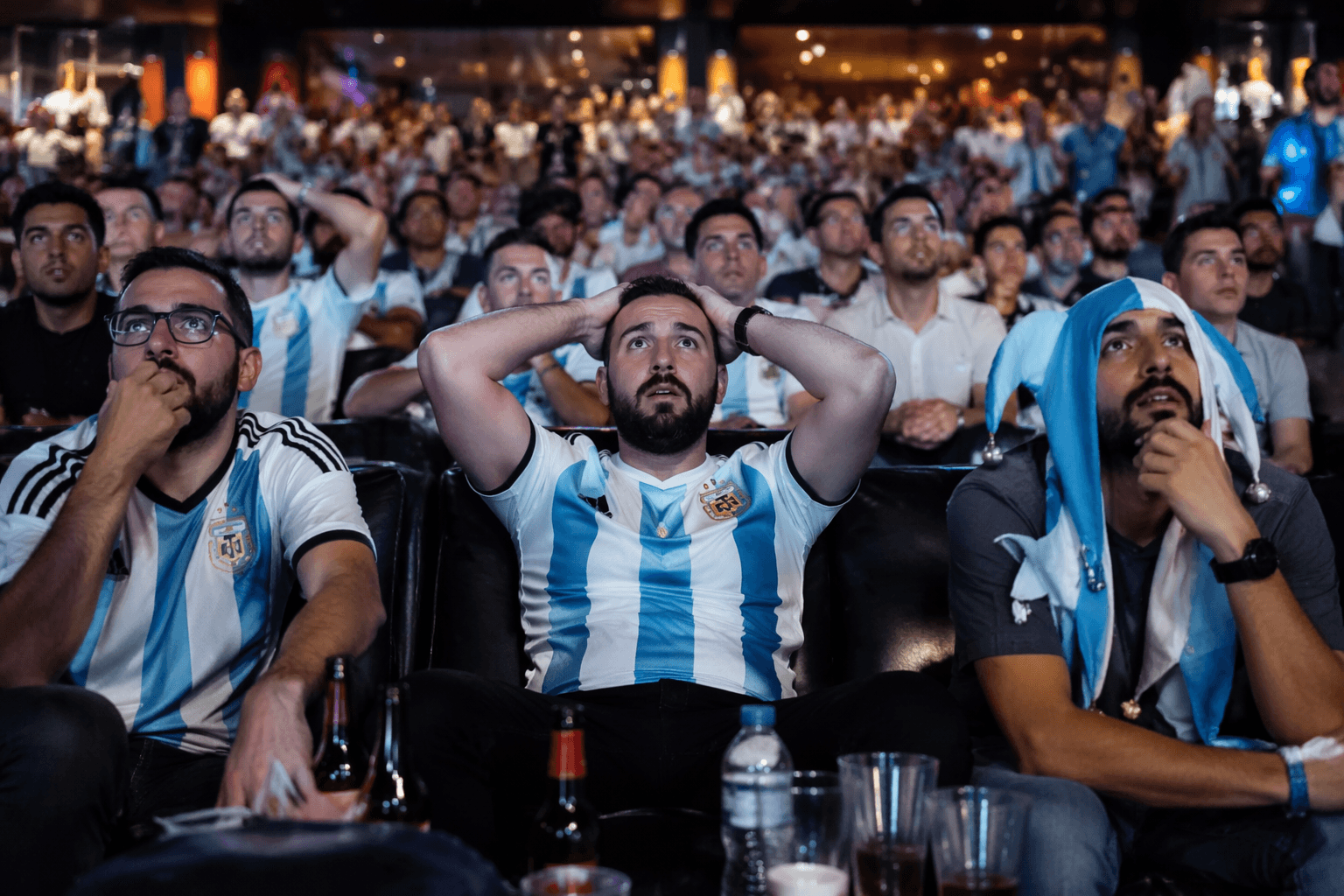
Installer has always been a curation engine, and No. 131 leans into that role with unusual clarity. The newsletter is framed as David Pierce’s weekly guide to what to download, watch, read, listen to, and explore, delivered every Saturday for The Verge’s audience. In this edition, the hook is not just a list of recommendations but a snapshot of what attention looks like right now: World Cup anticipation, parasocial media, British farm television, creator clips, old hardware, and app testing all crowded into the same weekly inbox.
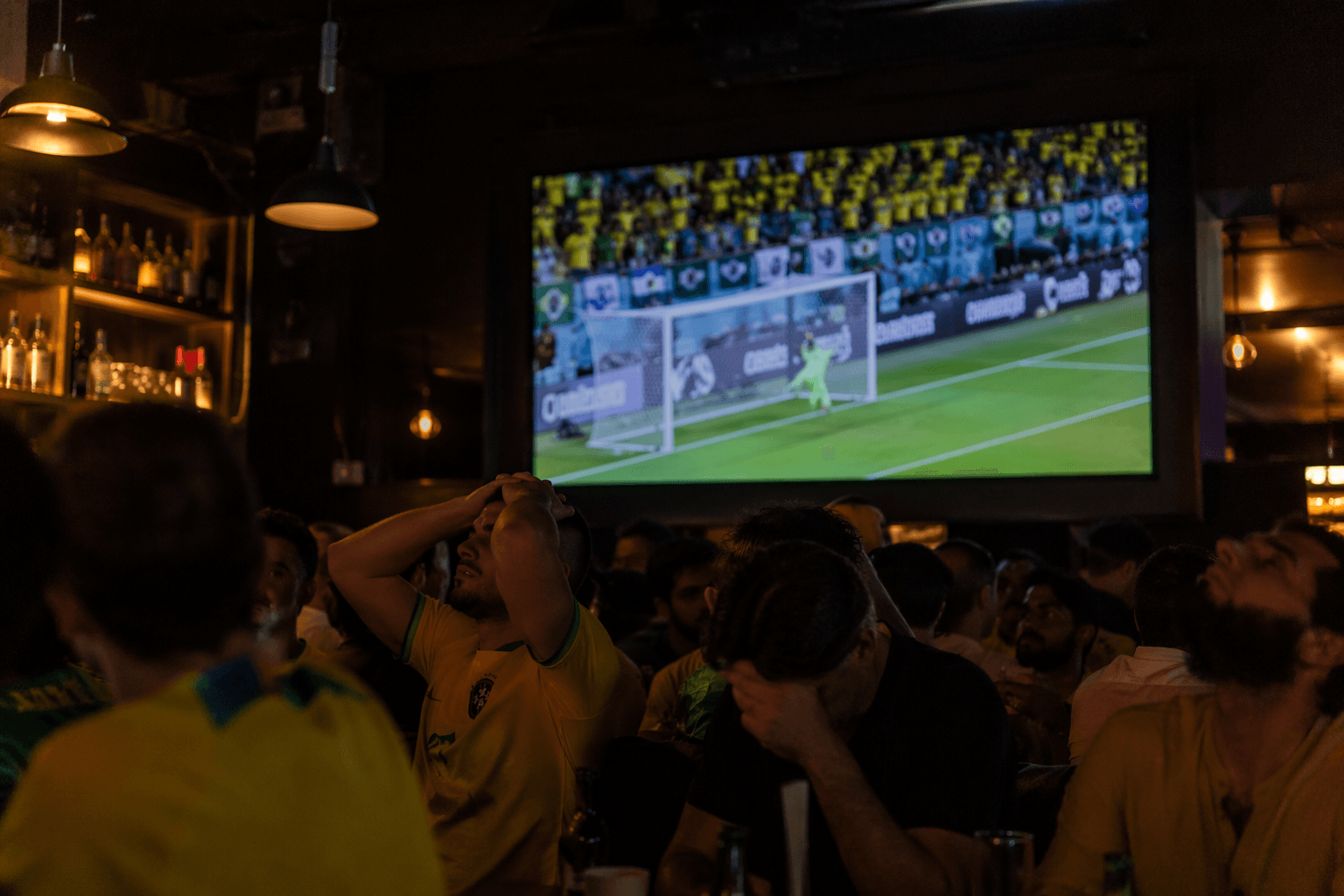
That mix matters because it shows how internet culture now works at the margins of every major entertainment cycle. The newsletter’s own framing, “happy last week of productivity before the World Cup starts,” treats the tournament not as a separate sports story but as a gravitational force that will reorder habits, schedules, and screen time. The rest of the issue follows that logic, moving fluidly from the World Cup to peptides, parasocial media, Clarkson’s Farm, BTS concert clips, a resurrected Facebook Portal idea, and a dictation app test.
Why World Cup week becomes a cultural filter
The World Cup is the clearest external clock in the issue, but the real story is how many adjacent obsessions cluster around it. Installer No. 131 reads like a pre-game inventory for people who are about to spend more time on phones, laptops, and living-room screens, not less. That is why the newsletter’s tone feels so observational: it maps the small rituals people reach for when a global event threatens to swallow the week.
Those rituals are not random. Clarkson’s Farm signals comfort viewing before a new season, BTS clips point to fan-driven social feeds, and the Verge Shop reference shows how editorial identity can spill into commerce. Spokenly, meanwhile, represents the practical side of the same attention economy: if the week is going to be busy, tools that save time and reduce friction suddenly become part of the entertainment package.
The next YouTube property that wants a theater seat
The most revealing item in the issue is the one billed as “The next YouTube phenomenon hitting the big screen.” The Verge’s framing points to The Amazing Digital Circus, a YouTube-born animated series that has become one of the platform’s most successful breakout properties. Its finale, The Last Act, is set for theaters first and then on YouTube shortly afterward, turning the release into a test of how much theatrical demand a fandom-built internet series can generate.
The business logic is straightforward: a creator-led property with a measurable audience can be easier to justify than an unproven original franchise. The official YouTube blog says the studio behind The Amazing Digital Circus built a community on YouTube and that 22 percent of U.S. viewers aged 14 to 24 had heard of it, which is the kind of awareness studios and exhibitors can model against. The show’s finale also arrives with a clear dual-release strategy, theaters first on June 4, 2026, and free on YouTube on June 19, 2026, giving fans a reason to pay for early access without abandoning the platform that made the series.
Built-in audiences are becoming Hollywood’s most valuable currency
That same logic is showing up elsewhere in the market. CBC reported that Backrooms and Obsession, both tied to YouTube creators, were among the hottest tickets at the box office and suggested their success could influence what gets made next. Associated Press reporting carried by U.S. News likewise described young audiences turning out for Backrooms and Obsession instead of a legacy franchise, which is the kind of audience shift studios watch closely when they decide what deserves marketing dollars and screen counts.
The numbers explain why. Obsession opened to $17.2 million and drew a notably young crowd, with roughly three quarters of the audience under 35, according to IndieWire. Later reporting put Obsession at around $148 million worldwide and Backrooms at around $118 million worldwide, with budgets far below traditional studio tentpoles. Inference from those figures is hard to avoid: internet-native brands are attractive not because they are cheap alone, but because they combine low production risk with a fan base that can be counted before opening weekend.
What Installer No. 131 says about the market
Taken together, the issue’s recommendations point to a media environment where the line between creator culture and Hollywood is collapsing. A YouTube series can become theatrical event programming, a newsletter can double as an audience barometer, and a fandom can move from comments to box office receipts with surprising speed. Studios are not simply chasing virality; they are chasing communities that already show up, already buy, and already know the property by heart.
That is why Installer No. 131 feels bigger than a weekend reading list. The World Cup is the immediate distraction, but the deeper signal is about how entertainment now gets validated: through measurable enthusiasm, repeat engagement, and brands that have already done the hard work of audience formation. In that environment, internet-born properties are no longer a novelty on the way to Hollywood; they are becoming one of its safest bets.
This article was produced by Prism’s automated news system from verified source data, official records, and press releases, then run through automated quality and moderation checks before publishing. The system is built and supervised by the people who set the standards it runs under. Read our full AI policy.
Did this article answer your question?