Insurer reports 71% rise in fraud as AI-faked claims surge
Admiral said fraud jumped 71% in 2025 as AI was used to fake watches, damage and number plates in claims.
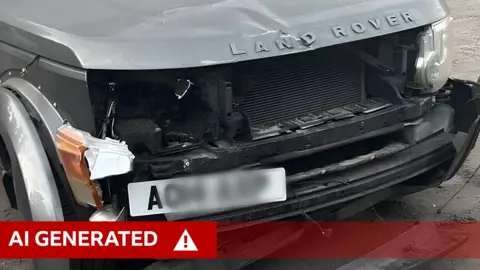
AI tools are making it easier to bend the evidence behind an insurance claim, and the cost is showing up fast. Cardiff-based Admiral said fraudulent claims rose 71% in 2025 from the year before, with fake images and manipulated documents playing a growing role in the surge.
The insurer said its fraud team found AI-generated pictures of a gold-and-diamond watch that never existed, photographs that exaggerated damage to a car and images in which a number plate had been altered and repositioned to support a duplicate claim. Those claims were rejected after being detected by Admiral’s fraud team. The company said some claimants were also using AI to fabricate documents that had never existed in the first place.
The warning is not limited to one insurer. The Insurance Fraud Bureau said the industry was deeply concerned about AI-generated claims and was investing in technology to counter the threat. Admiral staff said the problem was spreading across the wider insurance market as image-editing tools became more accessible and easier to use.
The scale of the risk is reflected in new research from Verisk. In a March 17, 2026 study, 36% of consumers said they would consider digitally altering an insurance claim image or document. That figure rose to 55% among Gen Z consumers. Verisk also found that 98% of insurers agreed AI-powered editing tools are fueling digital insurance fraud.

The economics are straightforward: when fabricated dents, doctored receipts or fake luxury items slip through, insurers pay more, honest policyholders absorb the fallout through higher costs, and claims handlers face a larger burden sorting real losses from synthetic ones. Admiral said its anti-fraud software can now detect manipulation and AI-generated content more effectively, but the company’s experience suggests the arms race is already under way.
The consequences for customers are severe. Claims that are invented or exaggerated can be rejected, policies can be cancelled and in some cases prosecution can follow. As AI-generated evidence gets cheaper and more convincing, insurers are being forced to spend more on detection just to preserve trust in the claims process.
This article was produced by Prism’s automated news system from verified source data, official records, and press releases, then run through automated quality and moderation checks before publishing. The system is built and supervised by the people who set the standards it runs under. Read our full AI policy.
Did this article answer your question?