Intel shares Atom chip design code with startup led by Tan ally
Intel handed Atom CPU design code to Rosaic Labs, a new startup led by Tan ally Amarjit Gill, setting off governance questions.
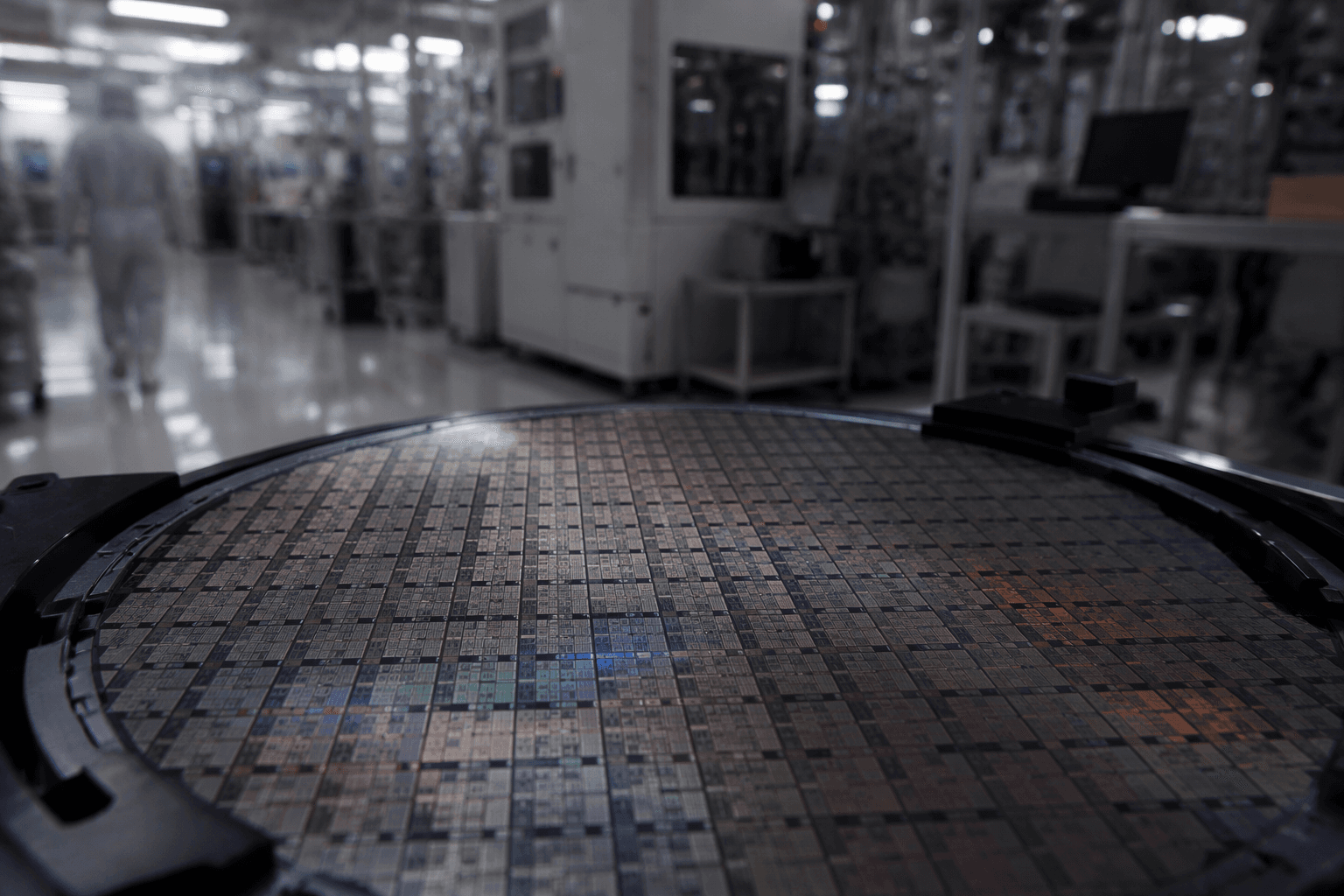
Intel gave Rosaic Labs access to some of its processor technology, including register transfer level code for its low-power Atom CPU, in a rare arrangement that links the chipmaker to a startup led by Amarjit Gill, a longtime co-investor of Chief Executive Lip-Bu Tan. The move put one of Intel’s most sensitive design assets in the hands of a newly incorporated company and immediately drew attention to how Tan is steering the company’s partner strategy.
The Atom code matters because RTL sits close to the heart of chip design. It defines how a processor behaves at the logic level and can be used to build customized silicon faster than starting from scratch. Chipmakers typically keep that material tightly controlled, so Intel’s willingness to share it marked a sharp break from the usual wall around core intellectual property.
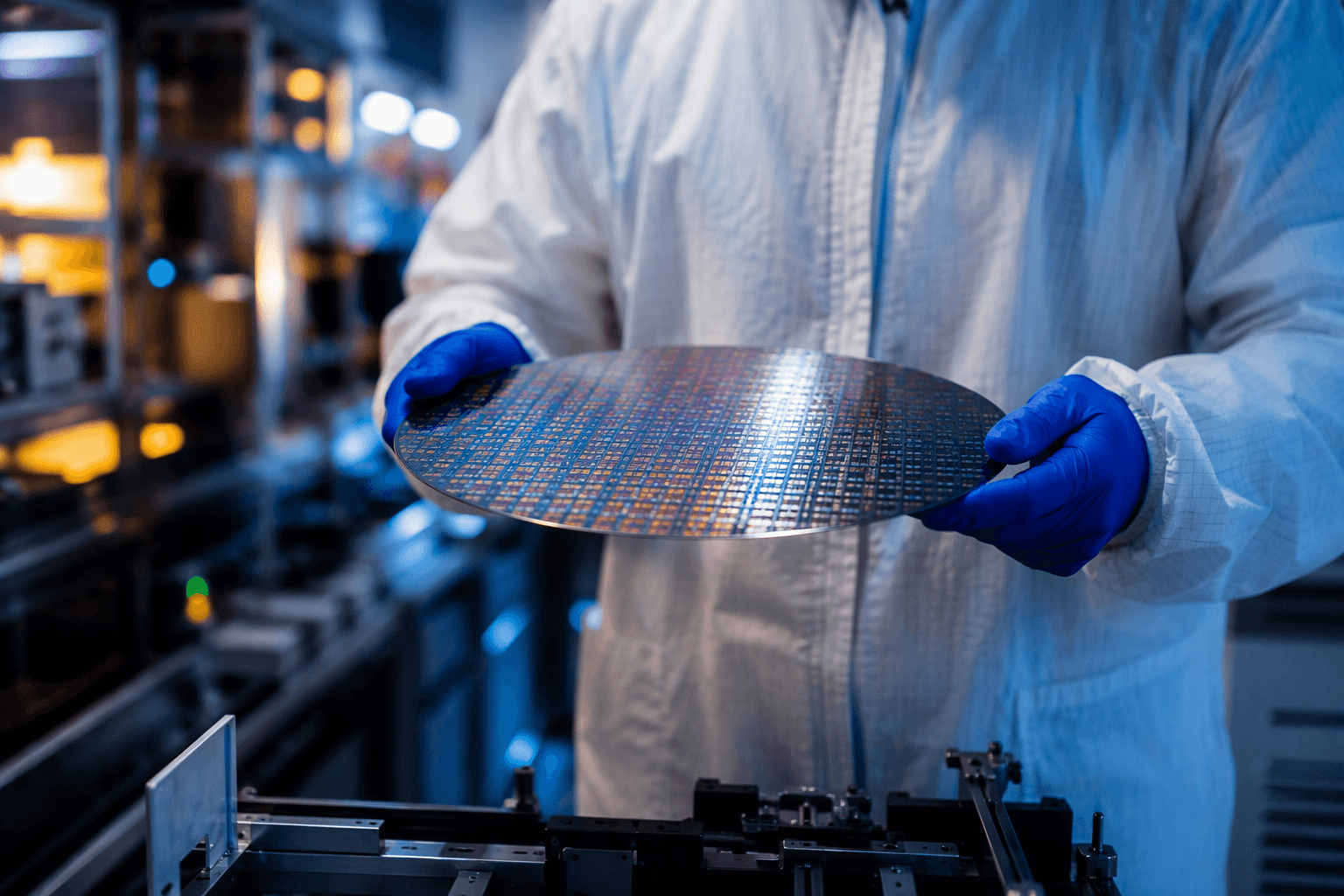
The deal surfaced on July 29, 2026, and coverage described Rosaic as a stealth startup. That combination, a secretive young company and a major U.S. chipmaker opening up internal design assets, made the arrangement stand out even in a sector where licensing and partnerships are common. The technology involved is tied to Atom, Intel’s low-power CPU line, which has long been positioned for efficiency-focused uses rather than marquee flagship systems.
The most sensitive part of the story is the relationship at the center of it. Gill is described as a longtime co-investor of Tan, who was named Intel CEO in March 2025 and set to take over on March 18 after Intel announced his appointment on March 12. That connection does not prove favoritism, but it puts a corporate-governance spotlight on how Intel chooses partners, which assets it shares, and whether those decisions are being shaped by personal investment networks as much as by strategy.
For investors, the question is whether Intel is trying to extract value from technology it may not fully commercialize on its own, or whether it is taking on risk by placing prized design code outside the company. For competitors, the move signals that Intel may be willing to engage more flexibly with startups rather than defend every asset behind closed doors. Some commentary on the transaction suggested it could even open a new front against Arm and RISC-V, two ecosystems that already compete for low-power and custom chip designs.
However Intel structures the arrangement, the choice to hand Atom design code to a startup tied to Tan’s circle marks a rare test of how far the new leadership is willing to go in turning legacy chip assets into leverage.
This article was produced by Prism’s automated news system from verified source data, official records, and press releases, then run through automated quality and moderation checks before publishing. The system is built and supervised by the people who set the standards it runs under. Read our full AI policy.
Did this article answer your question?