Interior Pauses Five Atlantic Offshore Wind Projects, Citing Security Risks
The Department of the Interior ordered an immediate pause on federal leases and work for five large Atlantic offshore wind projects, citing classified Pentagon assessments that identified national security vulnerabilities. The move stalls turbines already operating or under construction, raising urgent questions about jobs, coastal energy supplies, and how to balance security with the clean energy transition.
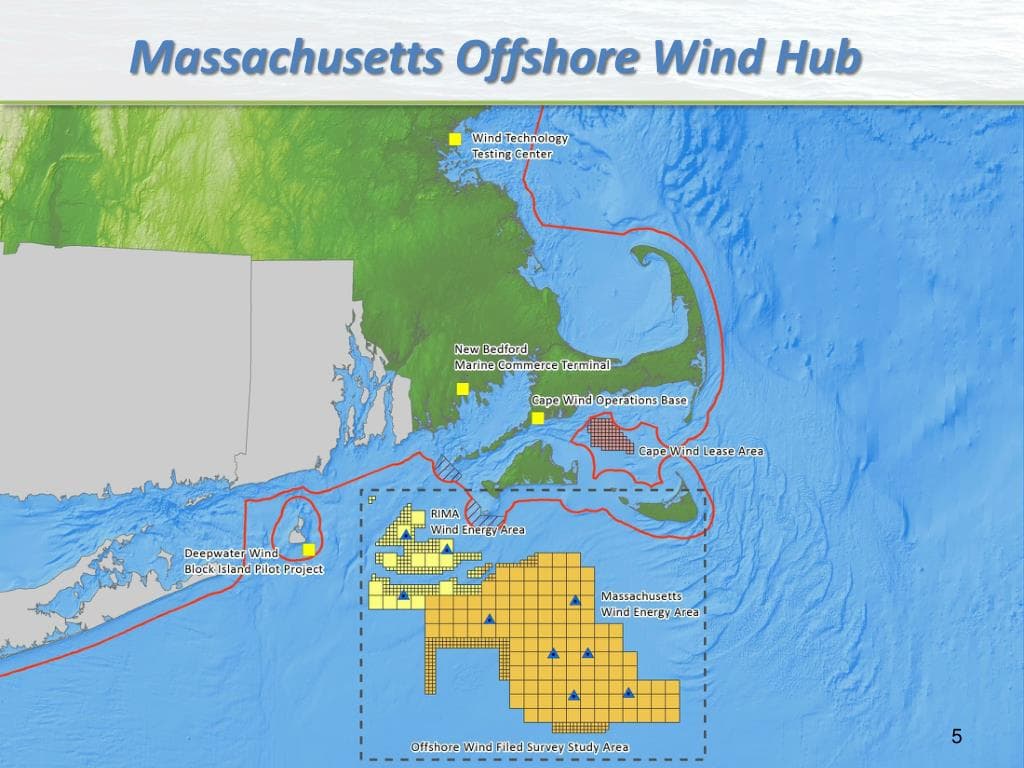
The U.S. Department of the Interior on December 22 and 23 ordered an immediate pause on federal leases and work for five major offshore wind projects along the Atlantic coast, saying the action was necessary to allow federal agencies time to evaluate and where possible mitigate national security risks identified in recently completed classified Pentagon assessments. The decision affects projects that were partly operating, under construction, or in advanced development, and its timeline for review and resumption remains unclear.
The projects listed by federal authorities include Vineyard Wind 1 off Massachusetts, an 800 megawatt project that was partly operating; Empire Wind 1 off New York, about 810 megawatts; Sunrise Wind off New York, 920 megawatts; Revolution Wind between Rhode Island and Connecticut, 704 megawatts; and Coastal Virginia Offshore Wind off Virginia Beach, about 2.6 gigawatts and scheduled to begin operations later this decade. Collectively these projects represent a significant share of planned near term utility scale offshore capacity on the East Coast.
Interior officials said the pause was intended to address national security vulnerabilities. The department stated the action “addresses emerging national security risks, including the rapid evolution of the relevant adversary technologies, and the vulnerabilities created by large-scale offshore wind projects with proximity near our east coast population centres.” Interior Secretary Doug Burgum emphasized the rationale, saying “The prime duty of the United States government is to protect the American people.”
Officials cited a range of technical concerns flagged in the Pentagon assessments, including interference with radar detection caused by large turbine blades and reflective towers, and new threats posed by undersea drones and rapidly evolving adversary drone technology. Department materials also reference a 2024 Department of Energy study that is reported to have found turbines can cause radar systems to miss actual targets. Federal agencies will review the classified findings, coordinate with the Department of Defense, and work with leaseholders and state partners to evaluate whether mitigation measures can adequately reduce the vulnerabilities.

Industry and state leaders reacted with alarm, warning the pause could disrupt construction timetables, increase costs, and threaten jobs tied to a nascent offshore wind supply chain. Some industry sources described the action as a 90 day construction halt, though the Interior statement did not specify an explicit duration. Companies are expected to engage with federal agencies in the coming weeks to discuss technical fixes and possible operational changes.
The move also intensifies a broader policy conflict over the pace of the clean energy transition and federal authority to restrict projects on security grounds. Developers had been mobilizing private capital this year to finance U.S. projects, and the pause complicates those investment plans while leaving coastal communities uncertain about near term economic and environmental benefits. For residents and workers who had anticipated new jobs and cleaner local power, the decision underscores how national security, energy policy, and equity intersect, and how rapidly shifting technology and geopolitics can upend long term planning for both climate mitigation and community development.
This article was produced by Prism’s automated news system from verified source data, official records, and press releases, then run through automated quality and moderation checks before publishing. The system is built and supervised by the people who set the standards it runs under. Read our full AI policy.
Did this article answer your question?