IOC open to moving Winter Olympics to January amid warming winters
The IOC is considering staging future Winter Games earlier, possibly in January, to combat snow shortages, a change with big sporting, commercial and social consequences.

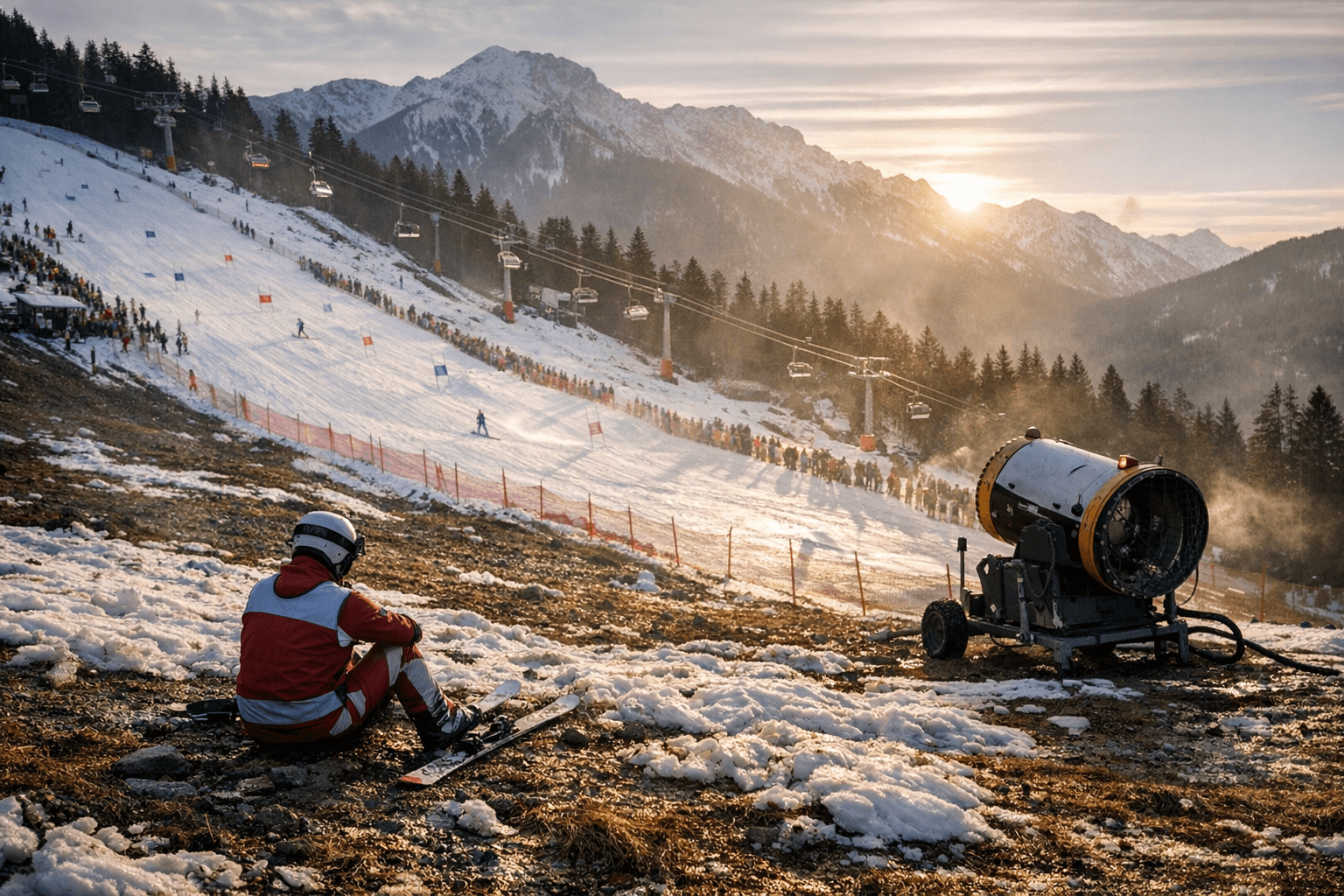
The International Olympic Committee said it is open to moving future Winter Olympic Games earlier in the year, including the possibility of staging key competitions in January, as warming temperatures threaten snow reliability at traditional February dates. The proposal, part of a broader review of the Olympic calendar and sports program, raises immediate questions about Paralympic scheduling, World Cup calendars and clashes with major professional sports.
Karl Stoss, the IOC member overseeing the sports programme review, framed the issue bluntly: “Maybe we are also discussing to bring the Winter Olympics a little bit earlier. To do it in January because it has an implication for the Paralympics as well.” He added that holding events in March “is very late because the sun is strong enough to melt the snow.” Those remarks point to a practical calculus: the historic rhythm of the Winter Games, with all medals awarded in February since the 1964 Innsbruck opening, may no longer match climate realities.
The timing dilemma has cascading operational and commercial implications. Milan Cortina’s Paralympic Winter Games are scheduled for March 6–15, creating a narrow window if Olympic events were advanced. An earlier Olympic window would also likely disrupt the long-established World Cup circuit and storied ski races, and could place the Winter Games in more direct conflict with NFL and NBA schedules, complicating television rights, sponsorship activation and athlete preparation timelines.
The debate sits inside a larger reform agenda the IOC calls Fit For The Future, launched in the first year of IOC President Kirsty Coventry’s tenure. The review is not limited to dates; it encompasses host selection, program composition and the charter requirement that Olympic winter sports be played on snow and ice. Pierre-Olivier Beckers, the IOC vice president, cautioned that proposals for new sports require more work: “We need further study on the proposals for new sports. We will only make a decision after Milan Cortina.”
Practical alternatives being weighed include rotation among winter sports hubs, shared or multi-country hosting, and greater use of existing venues rather than speculative, expensive builds. Jacqueline Barrett, the IOC’s director for future Olympic Games hosts, summarized the thinking: “We are looking at grouping, sharing or looking at rotation. We are not limiting ourselves to one position.” Those options reflect a shrinking pool of viable hosts driven by climate trends and a desire to rein in bidding costs and construction burdens.
The IOC has already adapted its host-selection model, awarding the 2030 and 2034 Winter Games simultaneously to provide stability and reduce financial strain on bidders. The bidding process itself has been restructured from an open multi-year contest to a closed dialogue that has sharply reduced costs that once could reach $100 million in planning and consultancy fees.
Beyond logistics and finance, the conversation has cultural and social consequences. Winter sports are woven into regional identities and local economies; altering dates or formats would reshape tourism seasons, volunteer cycles and youth development programs. The Paralympic movement faces specific equity concerns if calendars compress. Broadcasters and sponsors will press for clarity because rights windows and advertising plans depend on predictable dates.
No formal decision has been made. The IOC expects more than 100 members to reconvene in June to consider the program review and possible additions to the 2030 program, with final votes and any charter amendments reserved for appropriate governance moments. For athletes, hosts and fans, the message is plain: climate change is forcing elite sport to reconsider time-honored rhythms and commercial models in real time.
This article was produced by Prism’s automated news system from verified source data, official records, and press releases, then run through automated quality and moderation checks before publishing. The system is built and supervised by the people who set the standards it runs under. Read our full AI policy.
Did this article answer your question?
.jpg&w=1920&q=75)