Iran agrees in principle to dispose of highly enriched uranium
Tehran and Washington said they agree on disposing of enriched uranium, but the fight now is over how inspectors can verify it and when.

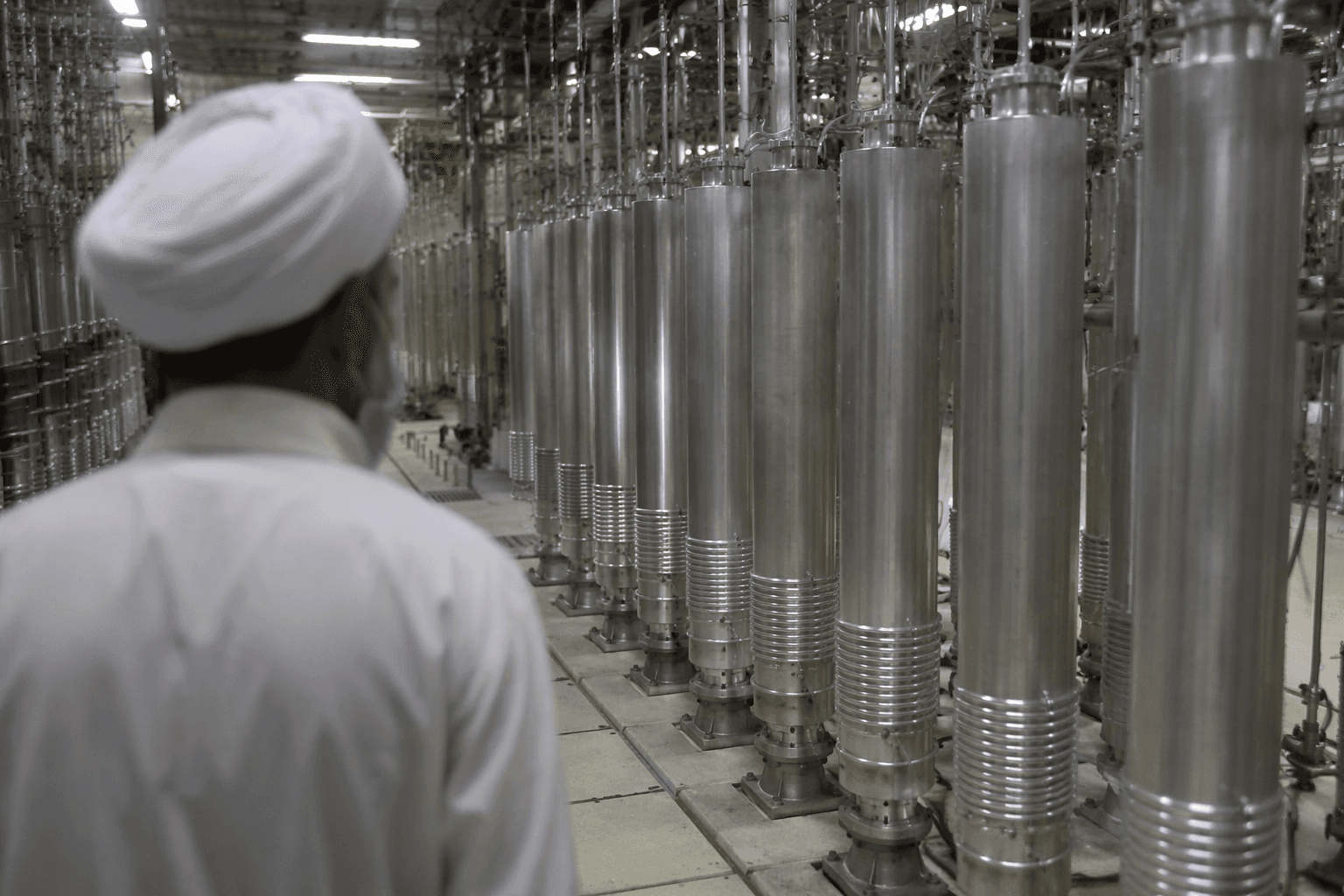
The real test of Iran’s nuclear talks is not whether Tehran has agreed in principle to give up highly enriched uranium. It is whether the disposal method, the inspection plan and the timeline can be made enforceable before either side claims victory. A senior Trump administration official said Sunday that the two sides did not dispute the stockpiled material would be disposed of, but they were still working out exactly how it would happen.
The official said the White House believed Iran’s supreme leader had approved the template for a deal, though no final agreement had been signed. The administration also wants Tehran to resolve other nuclear issues, not just the uranium stockpile. In Washington’s telling, the proposal would be better than the 2015 Joint Comprehensive Plan of Action, which allowed uranium enrichment up to a certain level before the United States withdrew from the accord in 2018.
One condition under discussion would lift the U.S. blockade on ships entering and leaving Iranian ports, with coordination between U.S. Central Command and Gulf countries to keep traffic moving safely. The official said that coordination should not be understood as a tolling system. Vice President JD Vance, Middle East envoy Steve Witkoff and President Trump’s son-in-law Jared Kushner have been involved in the negotiations as the administration tries to pull in as many Middle Eastern allies as possible.
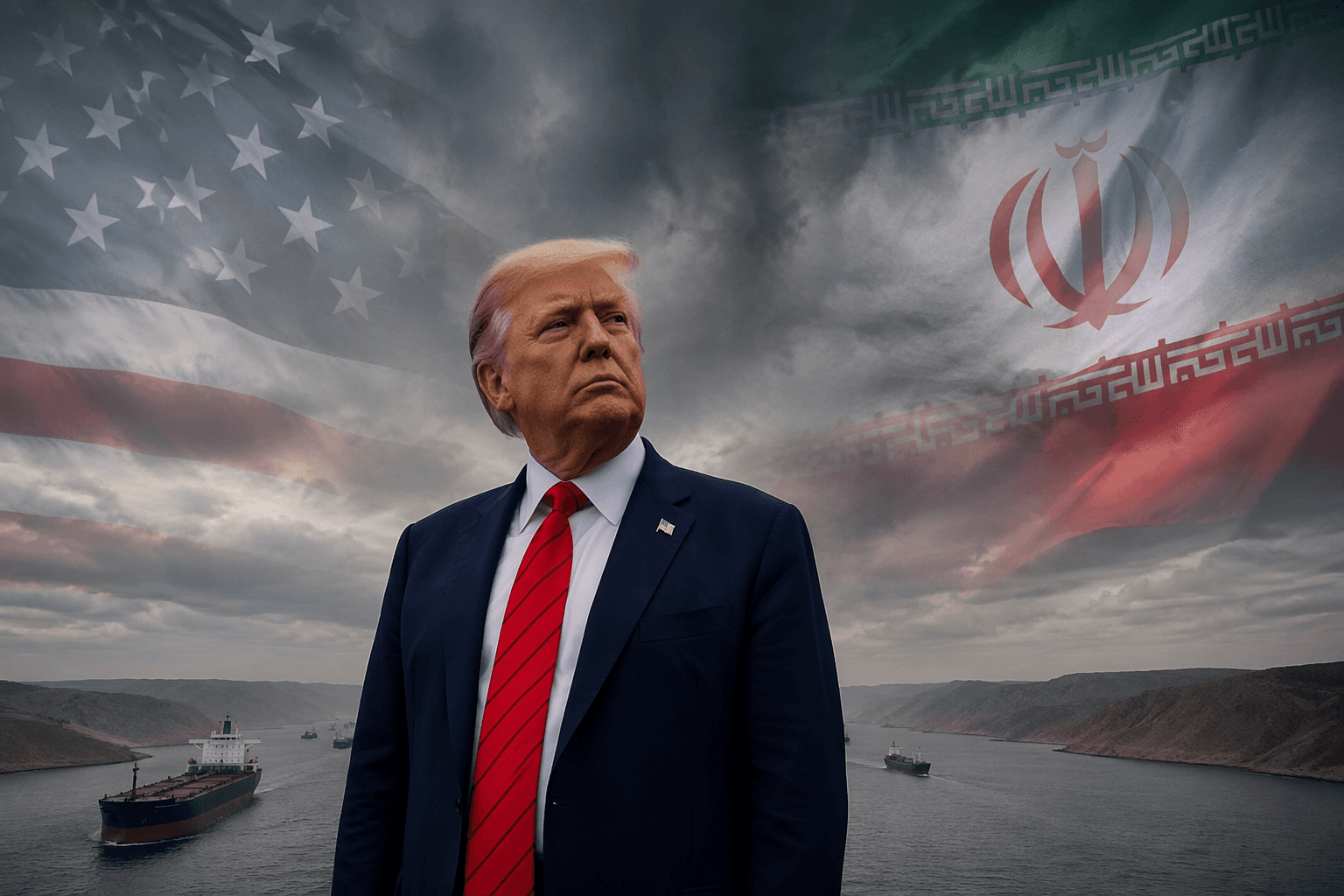
Trump himself sent mixed signals over the weekend. He said Saturday that the peace deal was “largely negotiated,” then posted Sunday that he had told his representatives not to rush and that “time is on our side.” In April, he said Iran had “agreed to everything,” including working with the United States to remove its enriched uranium. An Iranian Foreign Ministry spokesperson later pushed back, saying in translation that enriched uranium was “as sacred” as Iranian soil and would not be transferred anywhere under any circumstances.
The dispute is about more than diplomacy. Benjamin Netanyahu said last week that the war with Iran was “not over” because highly enriched uranium still needed to be removed from the country. He said international monitors estimated Iran still had around 970 pounds of nearly bomb-grade uranium. The International Atomic Energy Agency said in June 2025 that Iran’s total enriched uranium stockpile was 9,874.9 kg, based on information available up to June 12, 2025, and that inspectors had verified more than 400 kg of uranium enriched to 60% before Israeli airstrikes began on June 13, 2025.
Rafael Grossi has said any agreement would require inspectors to return and account for the stockpiles, including the 60% material. That level remains below weapons-grade, but experts say it can be enriched to 90% far faster than lower-enriched uranium. For now, the negotiating line is clear: the uranium must be removed or disposed of, and the mechanism must be written tightly enough that neither side can redefine the deal later.
Know something we missed? Have a correction or additional information?
Submit a Tip