Iran and Israel trade strikes, then pause after Trump urges ceasefire
Iran and Israel crossed from proxy pressure to direct fire again, then paused after Trump pressed both sides to stop shooting.

The Middle East briefly snapped back into direct Iran-Israel combat over the weekend, the first strike-for-strike exchange since a U.S.-backed ceasefire took hold on April 8, 2026. What began with Israeli strikes on Hezbollah targets in southern Beirut quickly escalated into Iranian missile fire, Israeli retaliation and then another round of missiles, exposing how fragile the pause had become.
By Monday, both sides had stepped back from the brink. President Donald Trump publicly urged them to “stop ‘shooting’” and said Iran and Israel were seeking an “immediate ceasefire.” Iran’s military said it would halt strikes after the day of hostilities, while Israeli airstrikes that had hit central and western Iran earlier in the day were described as a response to missile fire from Tehran.
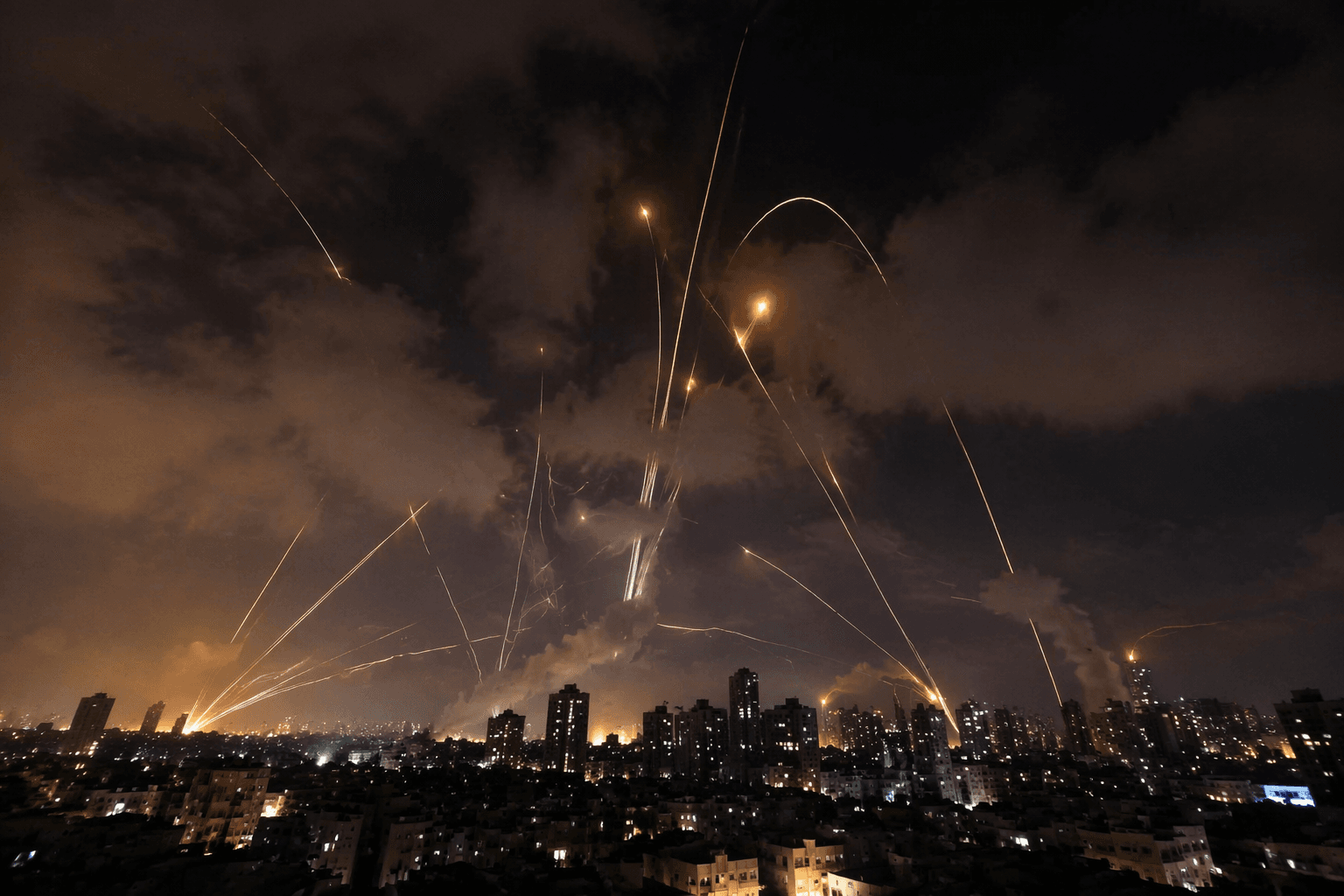
The exchange was widely described as the most serious direct confrontation since the April ceasefire and raised fears that the region could slide back into a wider war without a formal declaration. The sequence mattered as much as the weapons: Israeli attacks on Hezbollah in Lebanon helped trigger Iran’s missile launch, Israel struck military targets inside Iran, and Tehran then fired again before announcing it would stop. The crisis underlined how quickly the conflict can move from deterrence to open state-on-state fire when regional lines blur.
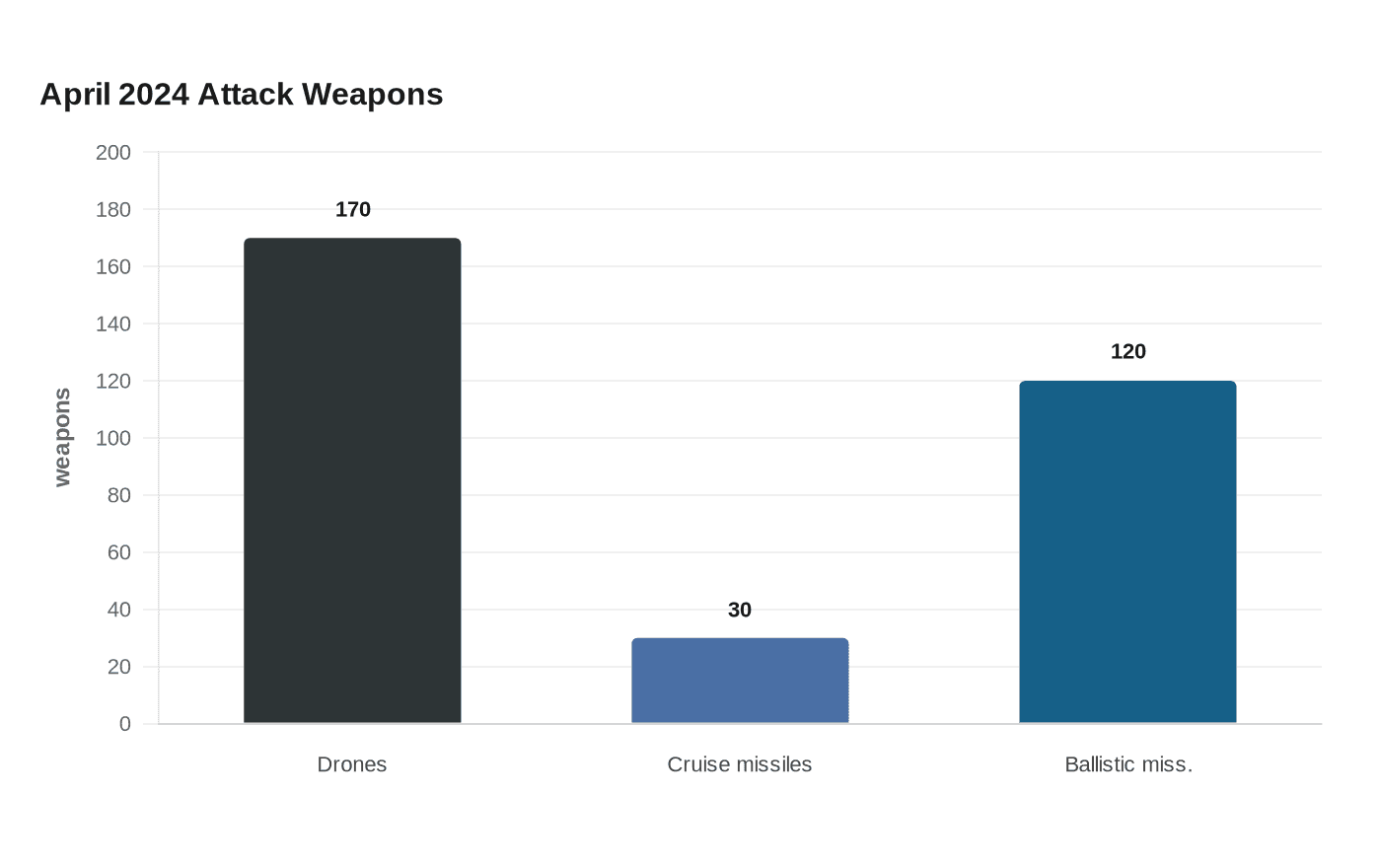
The latest flare-up revived memories of Iran’s unprecedented direct attack on Israel in April 2024. That assault included roughly 170 drones, more than 30 cruise missiles and more than 120 ballistic missiles, the first direct Iranian attack on Israel since the Islamic Republic was established in 1979. Most of those weapons were intercepted, and damage was limited, but the barrage showed how easily the conflict could shift from shadow warfare to a mass missile exchange.
The stakes widened beyond the battlefield as the Houthi rebels in Yemen announced a ban on Israeli shipping in the Red Sea after the renewed hostilities. That threat raised fresh concerns about disruption to global trade and energy flows, adding a maritime pressure point to an already volatile regional picture. For now, the shooting has paused. The larger danger remains the same: a miscalculation that turns a temporary halt into another broader war.
This article was produced by Prism’s automated news system from verified source data, official records, and press releases, then run through automated quality and moderation checks before publishing. The system is built and supervised by the people who set the standards it runs under. Read our full AI policy.
Know something we missed? Have a correction or additional information?
Submit a Tip