Iran and Oman eye transit fees for Strait of Hormuz ships
Iran and Oman are weighing charges on ships in the Strait of Hormuz, a move that could ripple from tanker rates to U.S. fuel prices.
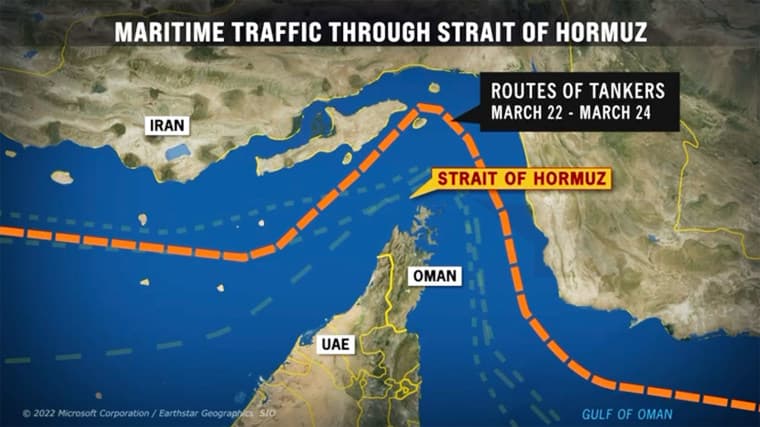
Iran and Oman are weighing a fee regime for ships crossing the Strait of Hormuz, a narrow waterway that carries about a fifth of global oil supplies. If the plan advances, the first bills would land with ship owners, charterers and insurers, then work their way through freight contracts, refinery costs and fuel prices far beyond the Gulf.
The strait is only about 34 km, or 21 miles, wide at its narrowest point, which gives Tehran and Muscat unusual leverage over one of the world’s most important energy corridors. Under one version of the proposal, the charge would vary by ship type, cargo and prevailing conditions. That means a VLCC carrying crude, a product tanker moving refined fuels and a container ship would not necessarily face the same bill, and the cost would be folded into shipping rates and marine insurance rather than paid at the quay by a single operator.

Kazem Gharibabadi, Iran’s deputy foreign minister, said Tehran was drafting a protocol with Oman that would require permits and licenses for passage. In early June, Iran’s ambassador to Moscow, Kazem Jalali, said the strait would remain open but under new conditions to be set by Iranian and Omani authorities, including a transit fee. Esmaeil Baghaei, the Iranian Foreign Ministry spokesman, later said the fees would cover “full services” to maintain the environment and other services offered by Iran and Oman.
The United States warned Oman in late May not to get involved in any effort with Iran to impose a toll, and Treasury Secretary Scott Bessent said Oman’s ambassador told him there were no plans to impose tolls. President Donald Trump said free traffic of oil through the strait must be part of any peace deal with Iran.
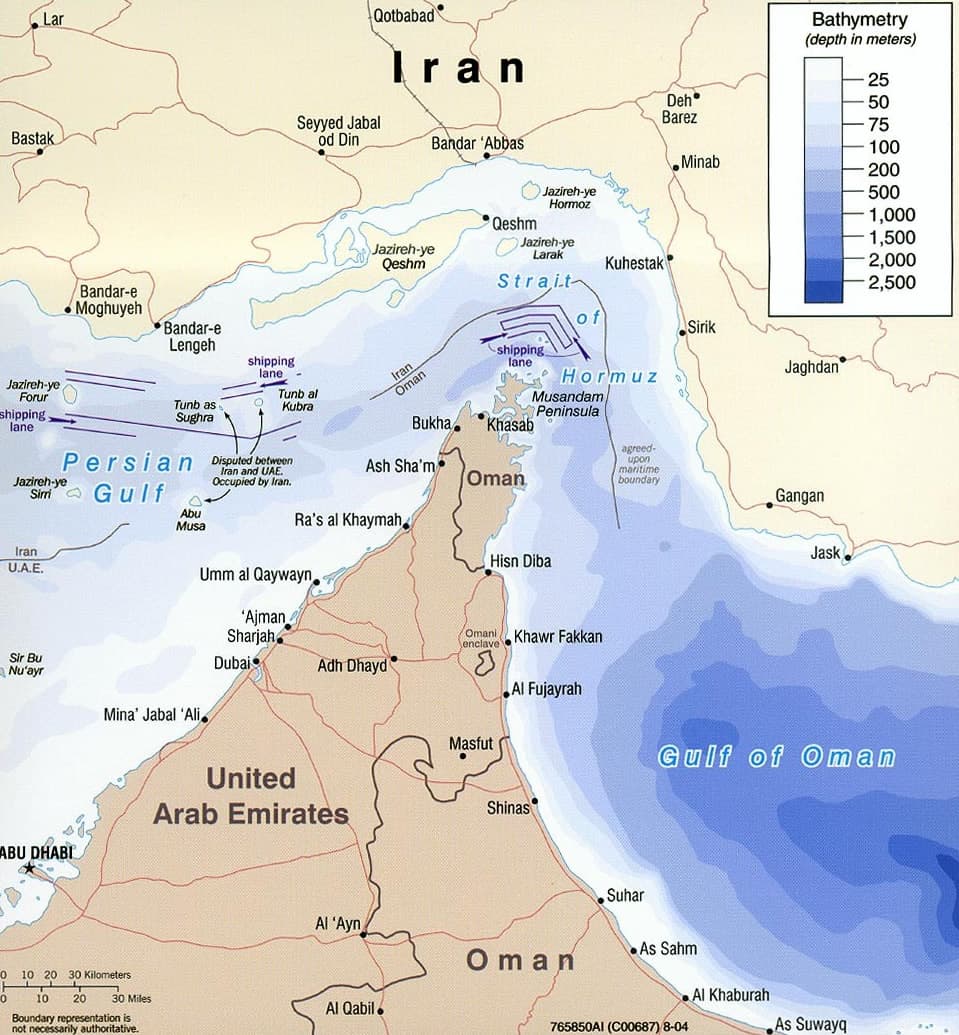
The proposal has also drawn pushback from Gulf neighbors and the shipping industry. The United Arab Emirates said the waterway “cannot be held hostage by any country,” while Qatar said all countries in the region have the right to use the strait freely. Shipping-industry officials said no unilateral move to demand fees for transit through a strait has been made in modern history. Japan, which imported about 95% of its oil needs from the Middle East before the war, said it did not pay a fee after a Japan-linked crude tanker passed through the waterway in May.
This article was produced by Prism’s automated news system from verified source data, official records, and press releases, then run through automated quality and moderation checks before publishing. The system is built and supervised by the people who set the standards it runs under. Read our full AI policy.
Did this article answer your question?