Iran and U.S. narrow talks to interim nuclear memorandum
Tehran is selling a narrow memorandum as a victory, not a surrender, while the hardest dispute over 440.9 kilograms of 60% uranium still hangs over the talks.

Iranian leaders are preparing to frame any interim nuclear understanding as proof that Tehran forced Washington to back down without surrendering its core leverage. That messaging matters at home, where officials need to show that a temporary memorandum is not a capitulation and that the Islamic Republic still kept its enrichment program, its bargaining chips and its claim to strategic restraint.
The talks have been pared down from a sweeping peace agreement to a short-term arrangement meant to prevent a return to conflict. If the sides bridge their remaining differences, they would then have 60 days to try to turn that memorandum into a final deal. For Tehran, that structure is politically useful: it allows officials to tell domestic audiences that they avoided major concessions now, while postponing the most dangerous decisions on sanctions, enrichment and uranium stockpiles.
The biggest obstacle remains Iran’s nuclear program, especially the fate of its stockpile of highly enriched uranium and how long any halt to enrichment would last. The International Atomic Energy Agency said Iran had 440.9 kilograms of uranium enriched to 60% purity before the June 2025 strikes on nuclear facilities, a level that is only a short technical step from weapons-grade 90%. Washington has pressed Iran to promise it will not pursue a nuclear weapon and to give up that stockpile, while one official briefed on the discussions said much of the material could be diluted and the rest moved to a third country, possibly Russia.
That is exactly the kind of demand Tehran has resisted in public, and the Supreme Leader has already signaled a red line by directing that near-weapons-grade uranium should not be sent abroad. Iranian officials have long insisted that they have a right to enrich uranium for peaceful purposes, and they have rejected pressure for a long freeze on the program. In April, U.S. negotiators reportedly sought a 20-year suspension of enrichment in exchange for sanctions relief; Tehran would not even accept a five-year moratorium. The gap shows why an interim memorandum, rather than a grand bargain, is now the best both sides can imagine.
The latest U.S. proposal has reportedly paired nuclear steps with phased regional moves, including reopening the Strait of Hormuz alongside an end to the U.S. blockade of Iranian ports, followed later by permission for Iran to sell oil through sanctions waivers. That sequence gives Tehran another point to sell at home: relief first, irreversible nuclear concessions later, if at all.
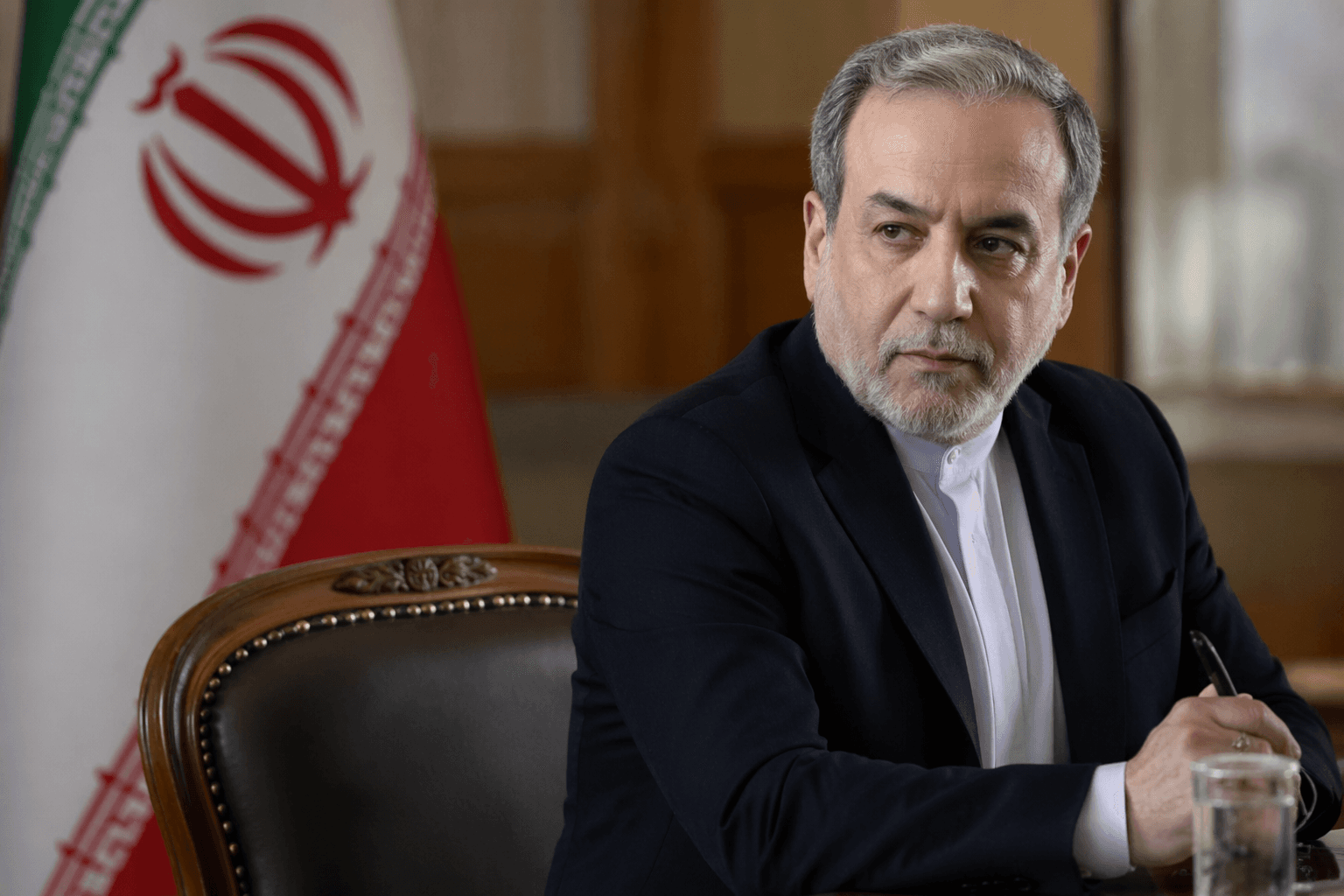
Regional diplomacy has also become part of the pitch. Trump said he had spoken with the leaders of Saudi Arabia, the United Arab Emirates, Qatar, Pakistan, Turkey, Egypt, Jordan and Bahrain, as well as with Israeli Prime Minister Benjamin Netanyahu, as he pushed to finalize terms. Iranian Foreign Minister Abbas Araqchi met Pakistan Army chief Asim Munir in Tehran on May 22, and Pakistani officials have been involved in carrying proposals between Washington and Tehran.
Trump said on May 23 that an agreement was “largely negotiated” and would be announced shortly. Even so, the comparison that hangs over every round remains the 2015 nuclear accord, which took nearly two years to negotiate before Trump pulled the United States out in 2018. That history explains why Tehran is eager to present any interim understanding as a win, even if the most consequential fight has only been deferred.
Know something we missed? Have a correction or additional information?
Submit a Tip