Iran and US to begin talks immediately after preliminary deal signing
A Friday framework is set to trigger immediate Iran-US talks, but the nuclear file, sanctions relief and the Strait of Hormuz remain unresolved.
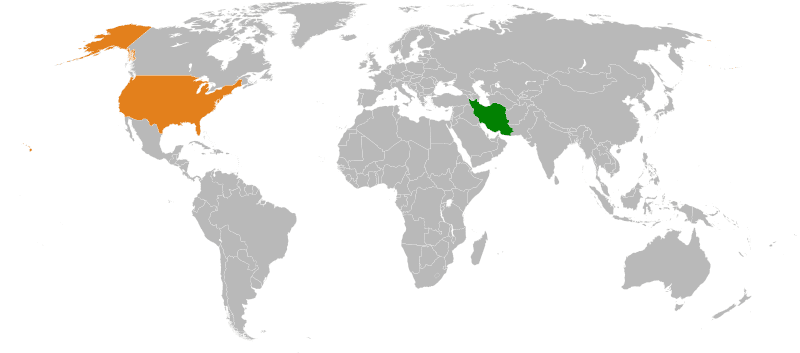
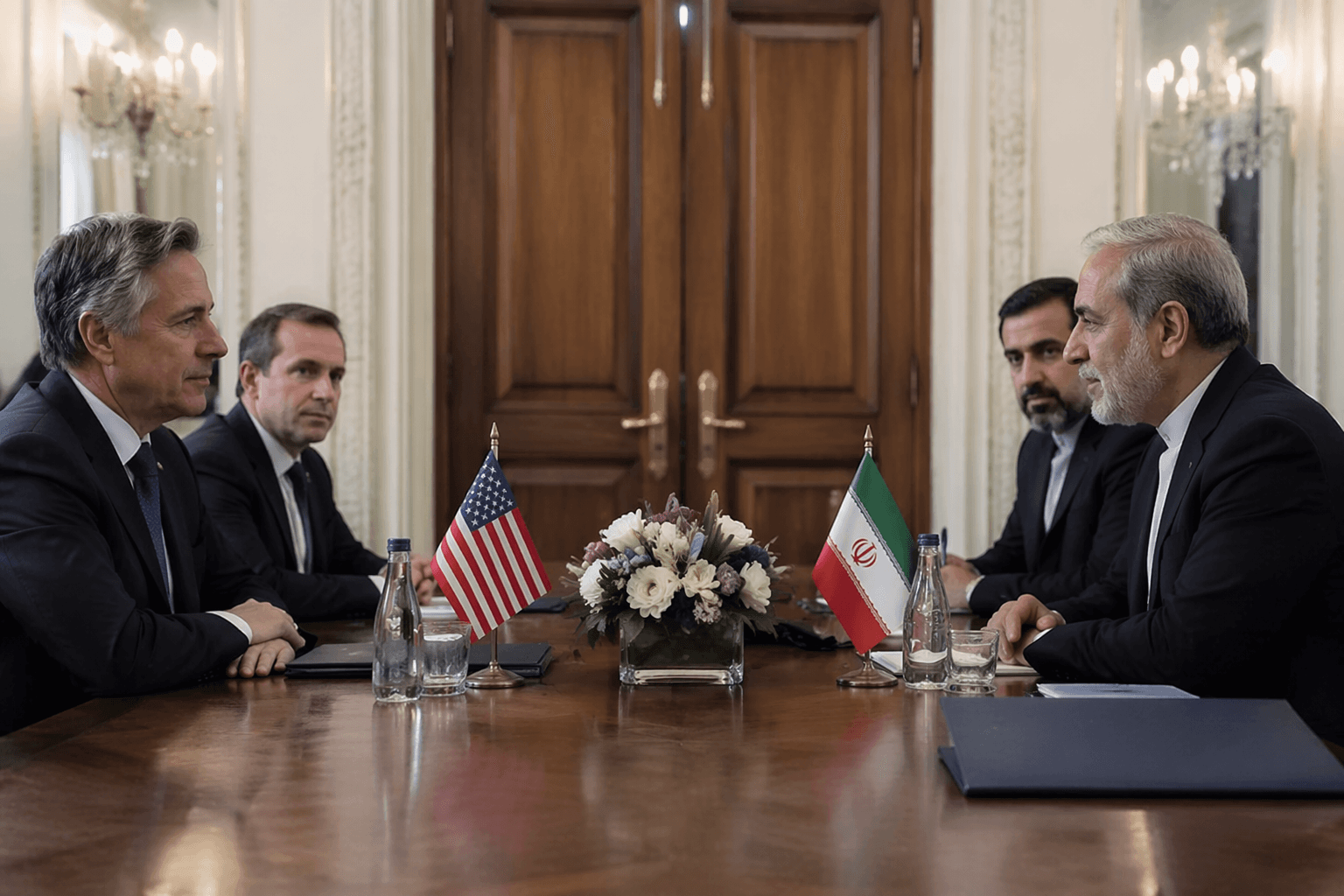
Iran and the United States are set to move into immediate negotiations once a preliminary deal is signed on Friday, but the accord is still a framework, not a final settlement. The signing, expected in Switzerland on June 19, leaves the hardest issues, especially Iran’s nuclear program, to later talks.
Abbas Araghchi said new negotiations would start as soon as the document is signed, while Kazem Gharibabadi said a broader agreement would be pursued during a 60-day ceasefire period and would include sanctions relief for Iran. That timetable points to what each side appears to want next: Tehran is looking for relief from pressure and a reopening of trade routes, while Washington wants limits that keep Iran from advancing toward a nuclear weapon.
Donald Trump said Iran “will never be allowed to have a nuclear weapon” under the agreement, and he said he hoped the conflict would soon be in the “rearview mirror” as he shifted focus at the G7 summit in France. The deal is tied to an effort to end the war, reopen the Strait of Hormuz and ease at least some U.S. pressure on Iran, but the framework stops short of spelling out how those goals will be enforced.
Senior U.S. officials have described the arrangement as a memorandum of understanding already signed remotely ahead of the ceremony, an indication that the public signing may be more political than substantive. The unresolved nuclear question is the biggest fault line. If the follow-on talks fail to produce a credible formula on enrichment, verification and sanctions, the ceasefire framework could quickly lose its momentum.
Markets have already reacted to the fragile outline. Oil prices fell to a fresh three-month low as traders weighed the prospect of supplies resuming through the Strait of Hormuz against the limited details in the deal. That move shows how quickly diplomacy around Iran can ripple through energy markets, even before the most consequential terms have been settled.
This article was produced by Prism’s automated news system from verified source data, official records, and press releases, then run through automated quality and moderation checks before publishing. The system is built and supervised by the people who set the standards it runs under. Read our full AI policy.
Know something we missed? Have a correction or additional information?
Submit a Tip