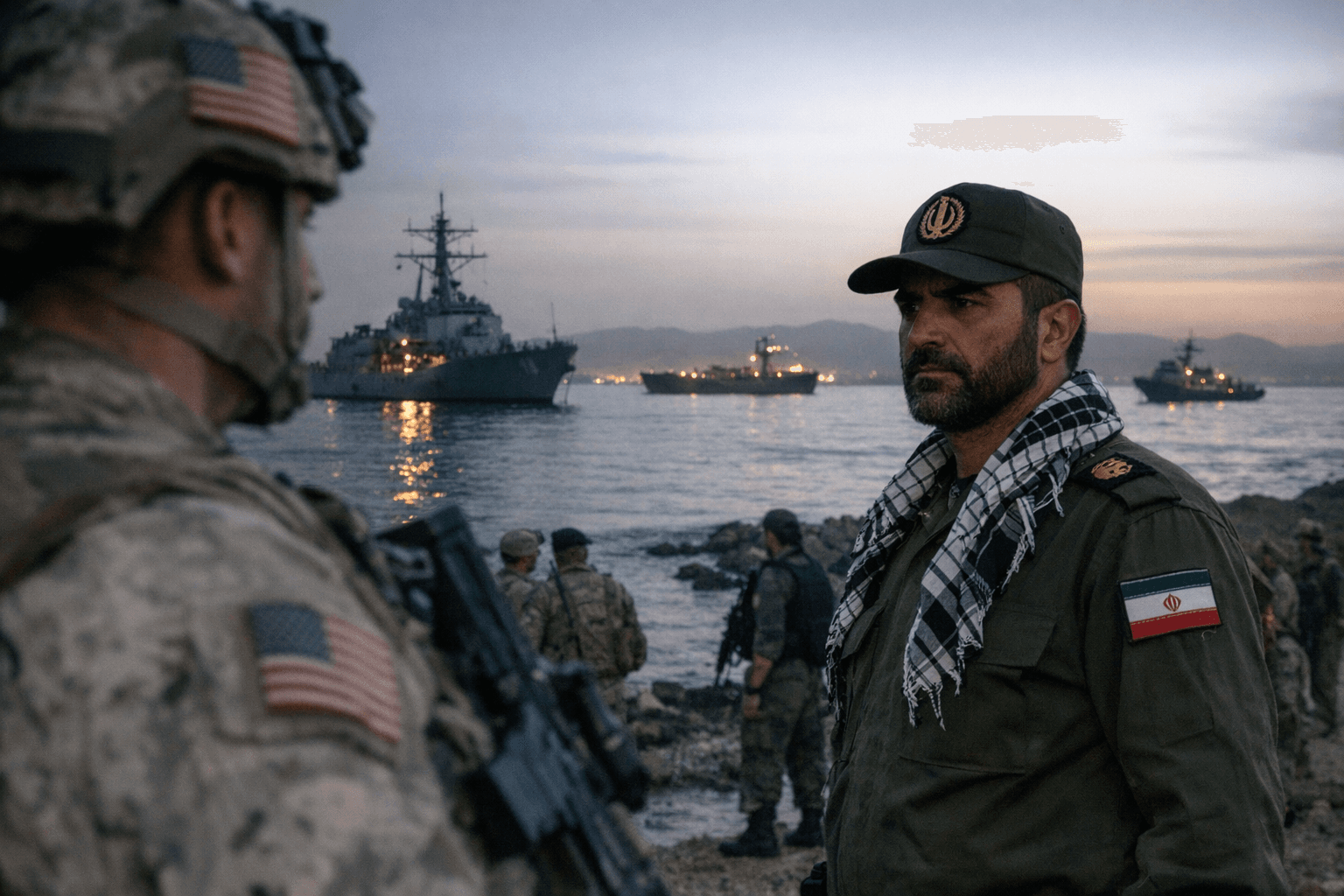
Iran Cease-Fire Deal Reached Ahead of Trump's Strait of Hormuz Deadline
Trump struck a two-week ceasefire with Iran at 6:32 p.m. ET Tuesday, just 88 minutes before his strike deadline, contingent on a "complete, immediate" Strait of Hormuz reopening.
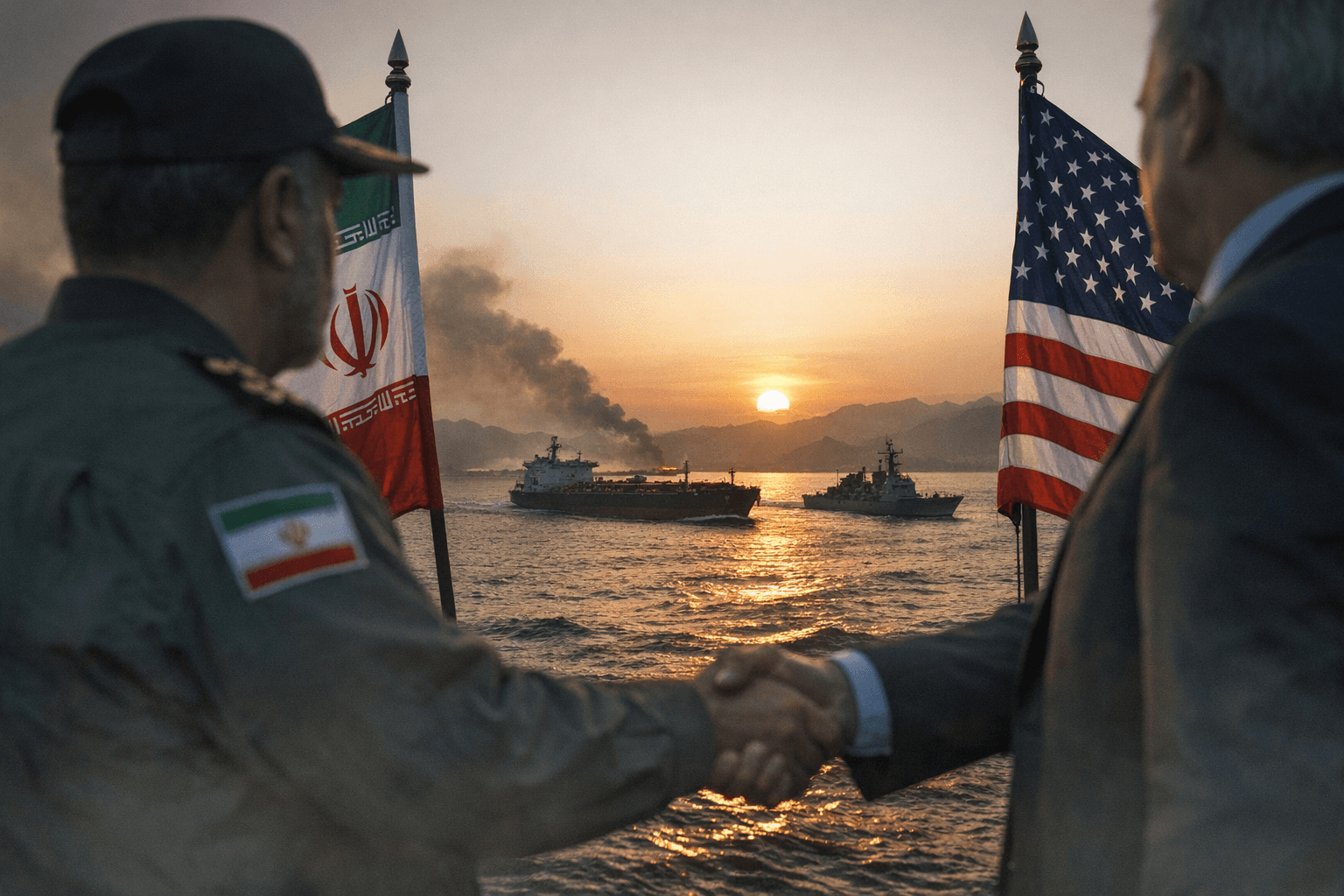
The deal arrived with the clock nearly out. President Donald Trump posted his ceasefire announcement to Truth Social at 6:32 p.m. Eastern on Tuesday, April 7, just under 90 minutes before the 8 p.m. deadline he had set for Iran to reopen the Strait of Hormuz or face strikes he warned would destroy the country's bridges, power plants, and "whole civilization." Iran's Supreme National Security Council accepted the terms within minutes, and a conflict that had been grinding for more than five weeks edged back from its most dangerous precipice yet.
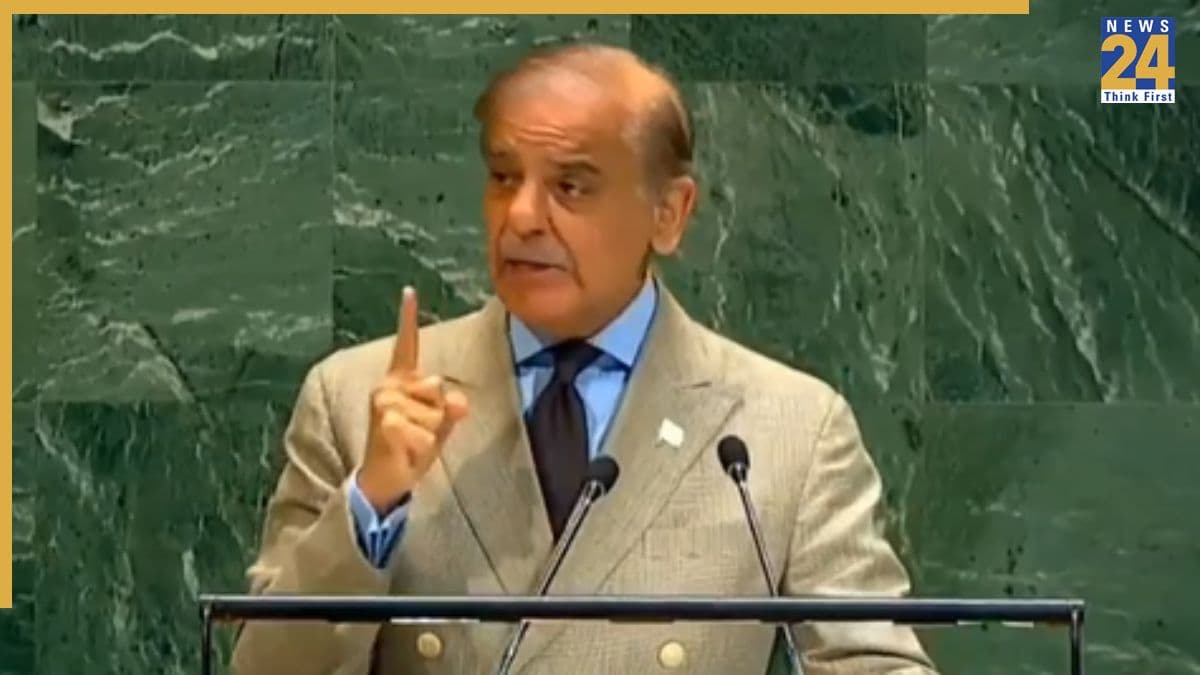
The announcement was the direct product of Pakistani mediation. Trump wrote that he suspended "the bombing and attack of Iran for a period of two weeks" based on conversations with Pakistani Prime Minister Shehbaz Sharif and Field Marshal Asim Munir, and conditioned on Iran agreeing to a "COMPLETE, IMMEDIATE, and SAFE OPENING" of the Strait. Iranian Foreign Minister Abbas Araghchi posted his country's acceptance on X, stating that "safe passage through the Strait of Hormuz will be possible via coordination with Iran's Armed Forces and with due consideration of technical limitations." Sharif followed by inviting both delegations to Islamabad on Friday, April 10, to negotiate a broader agreement.
The strait is the narrow mouth of the Persian Gulf through which roughly one-fifth of the world's oil transited daily before Iran's blockade, and fuel prices had surged globally since its near-closure began. Iran's conditional language on "technical limitations" left the full reopening short of what Trump's original demand required: pre-war traffic ran to more than 100 ships a day without Iranian coordination requirements.
On what is agreed and what is not, the picture is asymmetrical. Confirmed: a two-week halt to U.S. strikes, Iran's pledge to allow coordinated passage through the strait, and formal talks in Islamabad. Unresolved: Iran's 10-point proposal, which calls for withdrawing all U.S. combat forces from regional bases, lifting every sanction, releasing frozen Iranian assets abroad, and full payment of Iran's war damages. Trump called the plan "a workable basis on which to negotiate" but stopped short of endorsing any specific clause.
The fracture point most visible as of Wednesday morning was Lebanon. Israeli Prime Minister Benjamin Netanyahu stated on X that Israel supported Trump's decision to suspend strikes against Iran, but drew an explicit line: the two-week truce "does not include Lebanon." Netanyahu said the U.S. had told Israel it remained committed to achieving their shared goals in the upcoming Islamabad negotiations, including ensuring "Iran no longer poses a nuclear, missile and terror threat to America, Israel, Iran's Arab neighbors and the world." Pakistan's ceasefire announcement had described the truce as covering "everywhere including Lebanon and elsewhere," setting up an immediate and unresolved contradiction between Islamabad's framing and Jerusalem's.
That gap carries real operational weight. Israeli forces have been advancing deeper into southern Lebanon since the 2024 Hezbollah ceasefire collapsed in early March, reaching sections of the Litani River, and Hezbollah continued launching strikes on Israel. Israeli strikes have killed 1,345 people in Lebanon since the start of the 2026 Iran war in late February, according to Lebanon's Health Ministry, including 125 children. With Netanyahu explicitly reserving the right to continue those operations, the Lebanon theater remains the most likely point at which the broader ceasefire framework unravels before the April 10 Islamabad talks even begin.
White House press secretary Karoline Leavitt framed the outcome as a Trump victory, saying "President Trump and our powerful military got Iran to agree to reopening the Strait of Hormuz." But Iran's Supreme National Security Council, in its own statement, conditioned its military stand-down entirely on the absence of new attacks, leaving the two-week clock as the binding constraint on whether diplomacy or force returns to the equation first.
Sources:
Know something we missed? Have a correction or additional information?
Submit a Tip