Iran Deal Done, Russia and Ukraine Face No Clear Path to Peace
Europe is locking in €150 billion of defense loans and a €90 billion Ukraine package as peace talks stall and Iran pulls attention away.
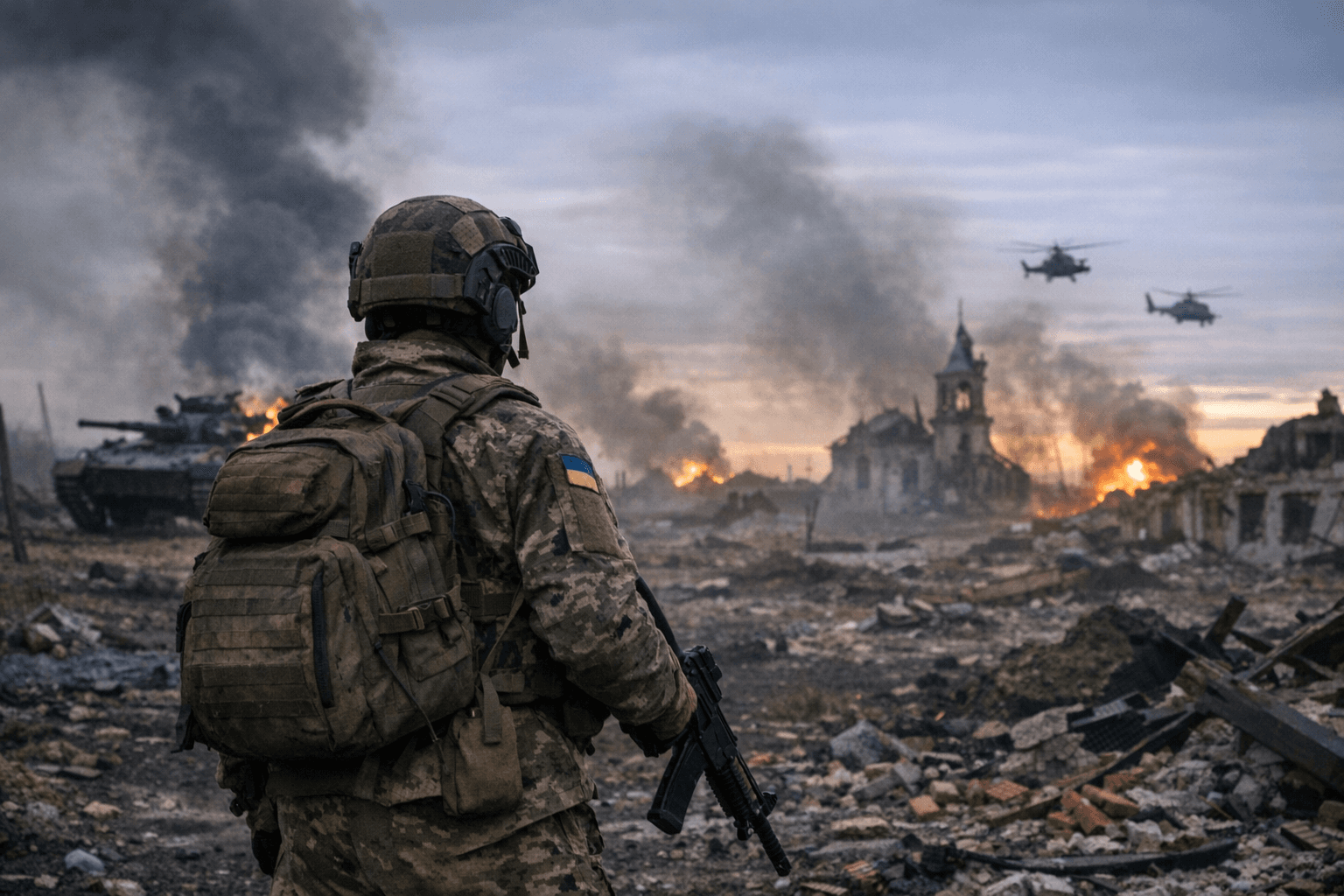
Europe is moving toward a longer war by design, not by accident. The European Commission’s Readiness 2030 white paper says the continent faces an “acute and growing threat” and needs a “massive increase” in defense spending, while the EU’s SAFE instrument now makes up to €150 billion available for joint weapons procurement and the Ukraine Support Loan is set at €90 billion for 2026 and 2027, with about €60 billion for military assistance and €30 billion for budget support. The money is meant to keep Kyiv fighting and Europe rearming, but it also shows how far the debate has shifted from ending the war to sustaining it.
The policy details point in the same direction. On April 1, the European Commission said it was taking preparatory steps to implement the Ukraine loan and to speed procurement of defense equipment, with a first schedule focused on drones. The broader Readiness Roadmap 2030 goes further, setting out flagship projects including an Eastern Flank Watch, a European Drone Defence Initiative, an European Air Shield and a European Space Shield. In practice, Europe is building industrial capacity, procurement rules and delivery lines for a conflict that officials now openly plan to outlast the next budget cycle.
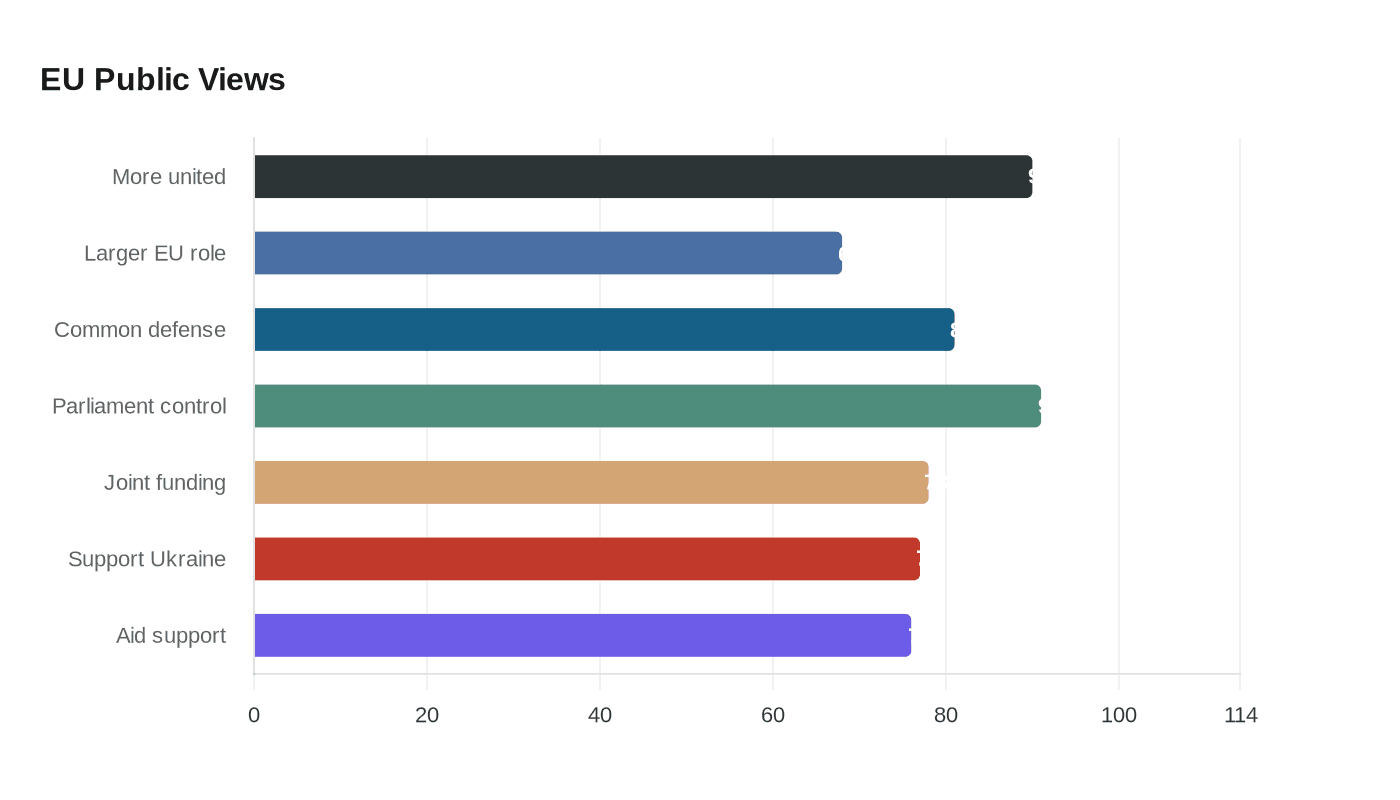
Public opinion gives leaders some room, but not a blank check. A European Parliament survey found that 90% of Europeans want member states to be more united, 68% want the EU to play a larger role in protecting citizens from global crises and security risks, and 81% back a common defense and security policy. At the same time, citizens are asking for oversight, not just spending: 91% say Parliament should have the means to properly control EU spending, and 78% believe more projects will require joint funding from the EU rather than individual states. Support for Ukraine is broad, with 77% backing support until a lasting and just peace is achieved and 76% favoring financial and humanitarian aid, but the mandate is for endurance under supervision, not strategic clarity.
That absence of a credible diplomatic endgame is now the defining feature. The Foreign Policy Research Institute says the war in Iran has snapped attention away from Eastern Europe, absorbed Western diplomatic bandwidth and intensified competition for Patriot systems, while a GLOBSEC policy paper says the new conflict has diverted attention from the fragile Ukraine peace process, strained US weapons stockpiles and pushed oil and gas prices higher. It also warns that higher energy prices can redirect China and India toward Russian supplies, deepening Moscow’s war-financing windfall. As Washington and its partners juggle Iran and Ukraine at once, Europe is left preparing for duration, not resolution. That is a war-management posture, not a peace strategy.
This article was produced by Prism’s automated news system from verified source data, official records, and press releases, then run through automated quality and moderation checks before publishing. The system is built and supervised by the people who set the standards it runs under. Read our full AI policy.
Did this article answer your question?


