Iran demands visa and security guarantees for 2026 World Cup entry
Iran pressed FIFA for 10 visa and security guarantees after a Toronto airport dispute, putting its 2026 World Cup trip at the center of geopolitics.
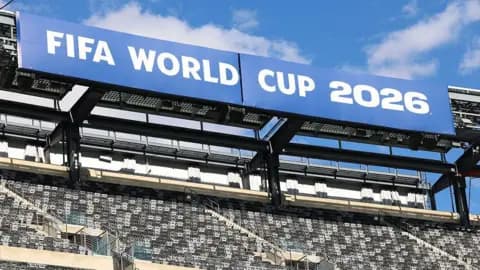
Iran has asked FIFA for 10 conditions tied to its 2026 World Cup participation, turning a routine tournament planning process into a test of how far football can accommodate geopolitics. The Iranian Football Federation said the team would compete “without any retreat from our beliefs, culture and convictions,” while insisting the hosts “must take our concerns into account.”
Those concerns reach well beyond match logistics. Iran wants guarantees on visas, the treatment of players, staff, reporters and fans, respect for the Iranian flag and anthem, and security at airports, hotels and the routes to stadiums. In practical terms, those are the issues that can determine whether a team can move through a three-country tournament smoothly; in political terms, they are a demand that North America bend its border and security systems around a qualified team.
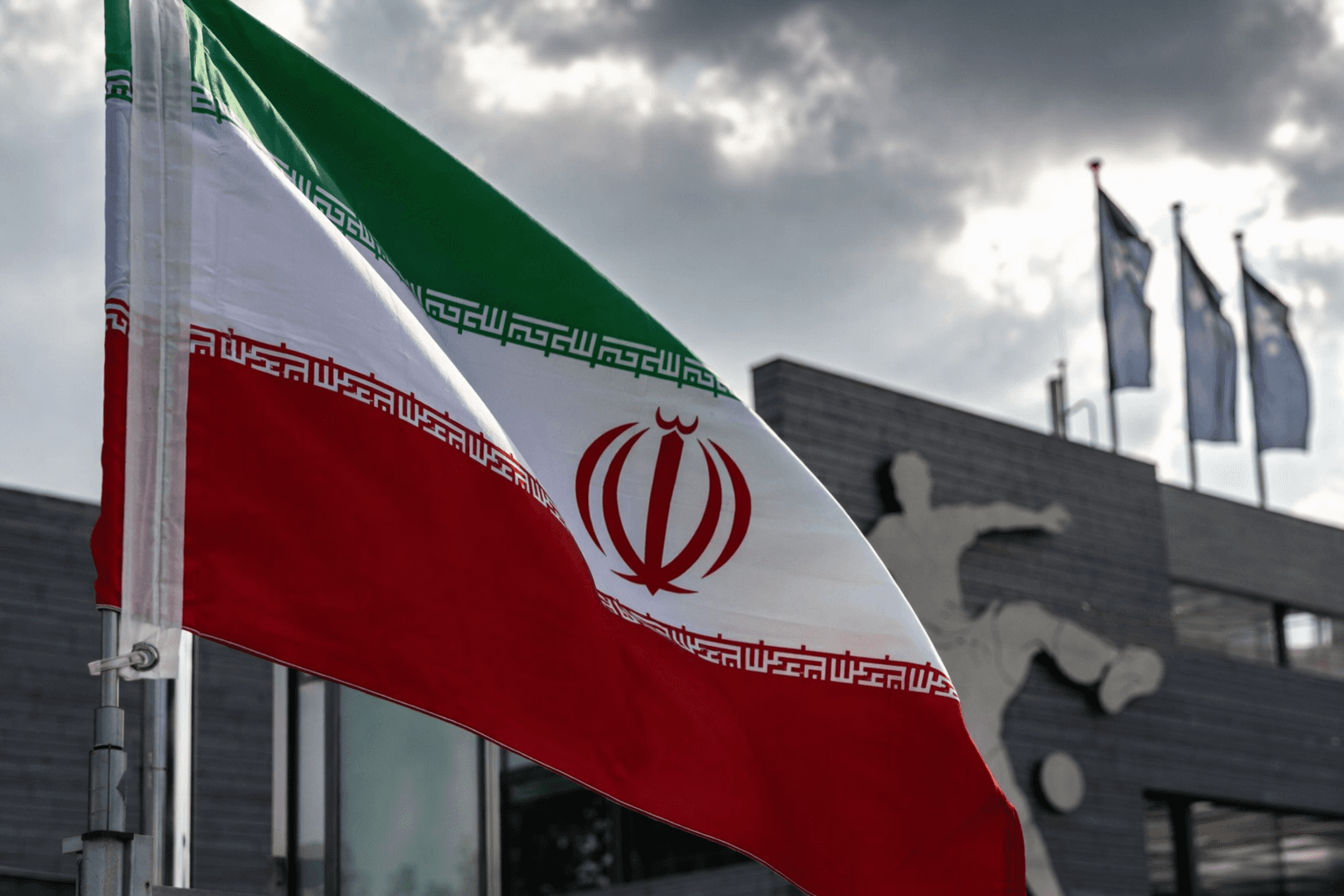
The dispute escalated after Mehdi Taj, the president of the FFIRI, was denied entry to Canada before last month’s FIFA Congress in Vancouver. Reports later said Canadian officials cleared him to enter, but Taj and other Iranian delegates turned back after being held and questioned at Toronto Pearson Airport. The episode is tied to Canada’s policy barring members of the Islamic Revolutionary Guard Corps from entering the country. Iranian media also said Taj wanted assurances that officials linked to the IRGC would not be insulted or blocked from entry, a demand that moves from tournament administration into political symbolism.
FIFA has already tried to draw a line under the immediate football question. President Gianni Infantino said in Vancouver that Iran would play at the 2026 World Cup and that its matches would be in the United States. FIFA’s official schedule places Iran in Group G, with an opening match against New Zealand on June 15, 2026, in Los Angeles, followed by Belgium in Seattle and Egypt in Los Angeles. The tournament runs from June 11 to July 19 across the United States, Mexico and Canada.
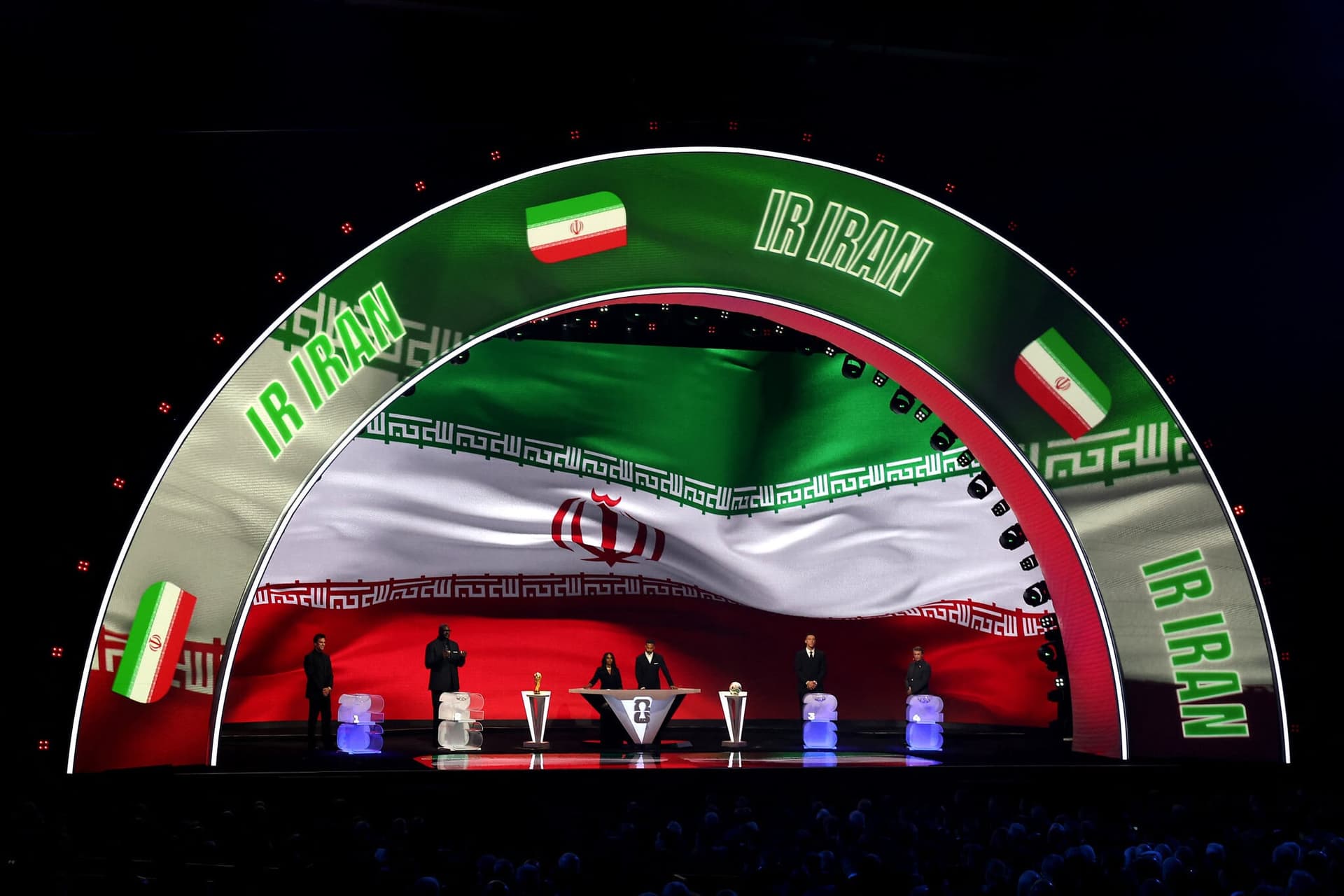
That leaves FIFA with a precedent it may not want but cannot ignore. Security coordination and accreditation can be managed through normal tournament channels. Immigration rules, airport screening and diplomatic access are another matter, especially when the hosts are dealing with an Iranian delegation linked in public debate to the IRGC and the wider tensions involving Iran, the United States and Israel. The closer the opening match gets, the more FIFA will have to decide whether Iran’s demands are a one-off accommodation or a template other qualified teams may try to claim.
This article was produced by Prism’s automated news system from verified source data, official records, and press releases, then run through automated quality and moderation checks before publishing. The system is built and supervised by the people who set the standards it runs under. Read our full AI policy.
Did this article answer your question?
.jpg&w=1920&q=75)