Iran escalates as fragile ceasefire talks stall, Trump urges calm
Iran's leaders appeared to be betting that fresh fighting would expose Washington's limits, even as Trump pushed an immediate ceasefire and negotiations dragged on.
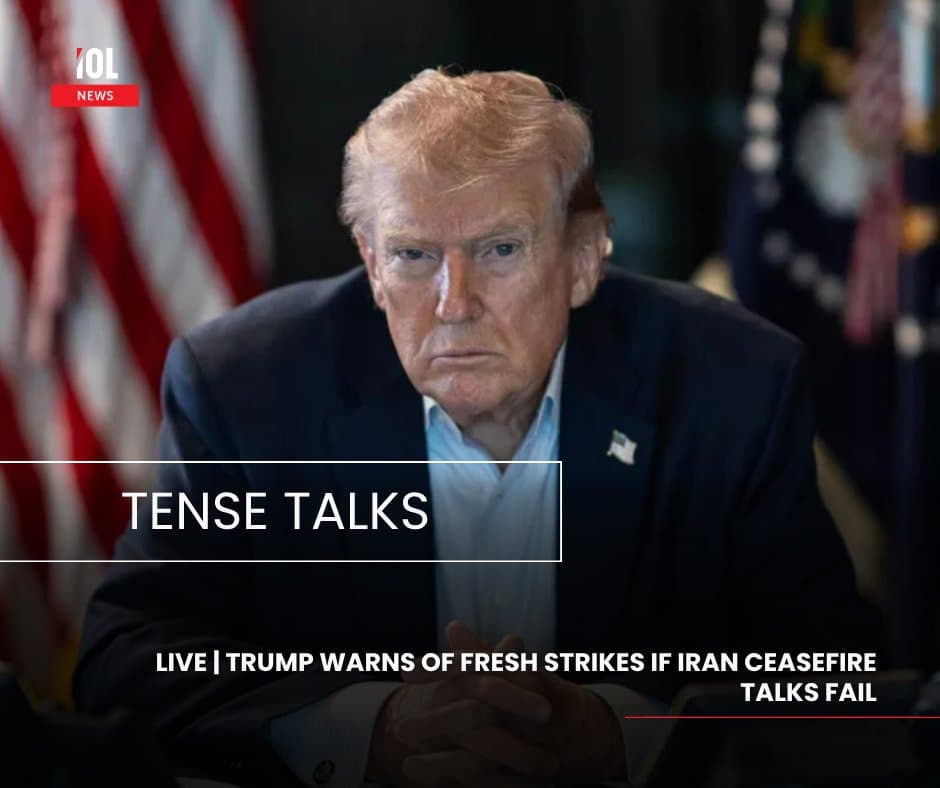
Iran’s latest escalation landed in the middle of a fragile diplomatic pause, and it underscored a calculation in Tehran that battlefield pressure can sharpen, not weaken, its leverage. Donald Trump said Israel and Iran were moving toward an immediate ceasefire, but the fighting kept widening on the ground and the talks remained stuck in a cycle of threats, denials and partial signals.
The standoff had already run for more than three months after U.S. and Israeli strikes on Iran began on February 28, 2026. On June 2, Reuters reported that Iran was reviewing a proposed U.S. agreement to halt the war, but had not been in contact with Washington for several days. Trump, by contrast, insisted talks were continuing without interruption and had repeatedly claimed since mid-March that he was close to a deal.
That gap between rhetoric and reality may be exactly what Iran is trying to exploit. The Institute for the Study of War said Iran suspended U.S.-Iran negotiations on June 1 and likely viewed the status quo as favorable because it brought neither concessions to the United States nor a full-scale war with Washington. ISW also said Tehran was trying to drive a wedge between the United States and Israel while preserving key sources of pressure, including Hezbollah, the Strait of Hormuz and its nuclear program.
The strategic stakes go well beyond the battlefield. Reuters reported that the Strait of Hormuz remained largely shut to maritime traffic and had previously carried about one-fifth of global oil and liquefied natural gas supplies, a choke point that has already helped push energy prices higher. That gives Tehran a tangible bargaining tool if it believes it can threaten disruption without inviting a direct American response.
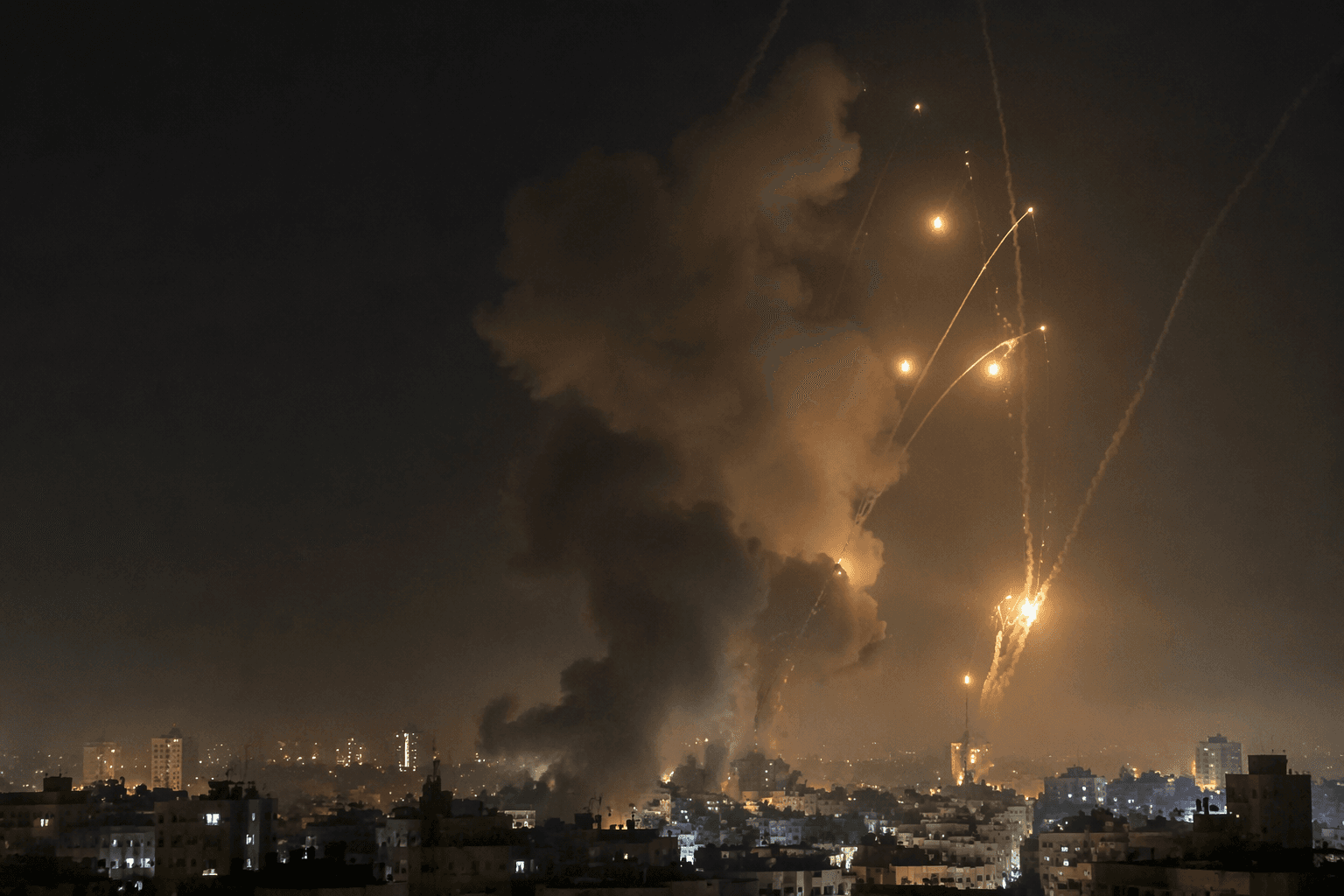
The latest flare-up on June 8 sharpened the same dilemma. Trump posted that Israel and Iran were looking to do an immediate ceasefire and said final negotiations were continuing, even as the Israeli military said it had carried out a large-scale strike on strategic defense systems after Iran fired on Israel. Iranian Foreign Ministry spokesman Esmaeil Baghaei blamed the United States for the consequences of any escalation and warned that overnight exchanges would only worsen an already chaotic diplomatic process.
Israel, meanwhile, appears to be operating under its own constraint. Politico reported in April that it was not getting the extended U.S. backing for war with Iran that it wanted and was instead trying to pair military pressure with U.S. diplomacy. That leaves Tehran facing a divided triangle of interests, one in which Washington signals caution, Israel keeps striking, and Iran may believe that resilience on the battlefield can be converted into a better bargaining position at the table.
This article was produced by Prism’s automated news system from verified source data, official records, and press releases, then run through automated quality and moderation checks before publishing. The system is built and supervised by the people who set the standards it runs under. Read our full AI policy.
Know something we missed? Have a correction or additional information?
Submit a Tip