Iran imposes new authorization system for ships in Strait of Hormuz
Iran has begun requiring prior authorization for ships entering the Strait of Hormuz, turning a vital oil passage into a test of control. The move follows a redrawn route map that pushes traffic deeper into Iranian waters.
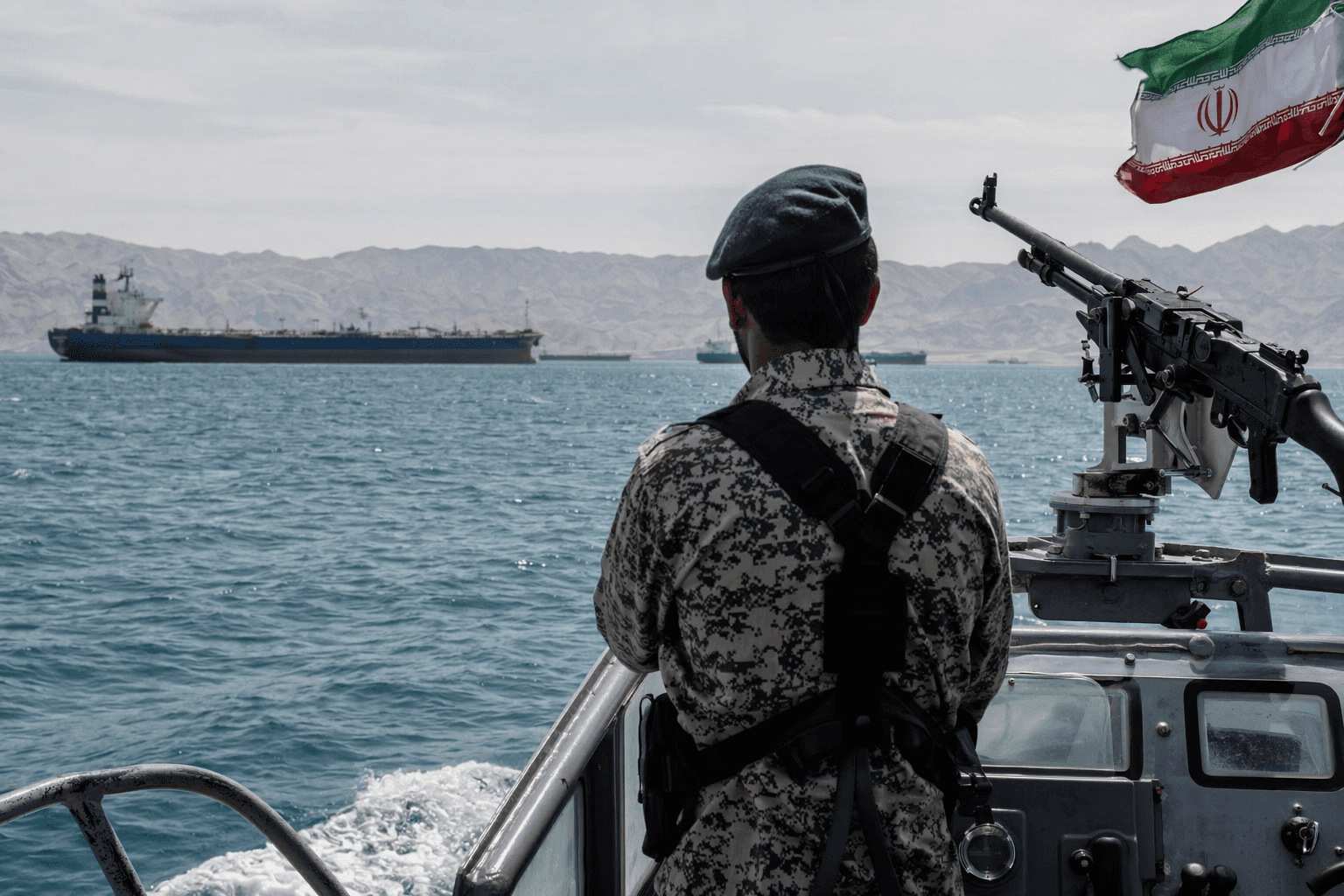
Iran has moved from redrawing routes to demanding permission. State media said on May 5 that a new mechanism for maritime traffic in the Strait of Hormuz now requires vessels to secure prior authorization before transiting the waterway and to follow electronic instructions sent by the Persian Gulf Strait Authority.
The change is being presented in Tehran as a sovereign regulatory measure, but it carries a sharper edge. For shipping companies, the practical effect is that passage through one of the world’s most important energy chokepoints may now depend not just on navigation, but on receiving and complying with Iranian instructions before entry. In a strait that carries a large share of global oil trade, even a small procedural hurdle can ripple through tanker schedules, freight rates and market confidence.
The new system builds on an earlier Iranian move that already narrowed the room for error. On April 8, Iran’s maritime authority issued a redrawn traffic separation scheme for the strait, saying the change was needed to avoid possible collisions with naval mines. The revised route directed inbound traffic between Qeshm Island and Larak Island, pushed outbound traffic south of Larak, and kept ships within Iranian waters and closer to routes monitored by the Islamic Revolutionary Guard Corps Navy. The April chart also set out a designated danger zone where transit was prohibited near the internationally recognized lane by the Musandam Peninsula, raising questions about the southern edge of the route and the Omani-administered shipping lane.
The timing matters because the Strait of Hormuz has become a flashpoint in a broader military and diplomatic standoff. The United States has begun trying to guide stranded non-combat ships through the waterway, while Iran has warned that American interference would be treated as a cease-fire violation. AP reported that Iran has also offered to reopen the strait if Washington lifts its blockade and ends the war. Taken together, those positions suggest Tehran is using traffic control not simply to manage navigation, but to negotiate from strength.
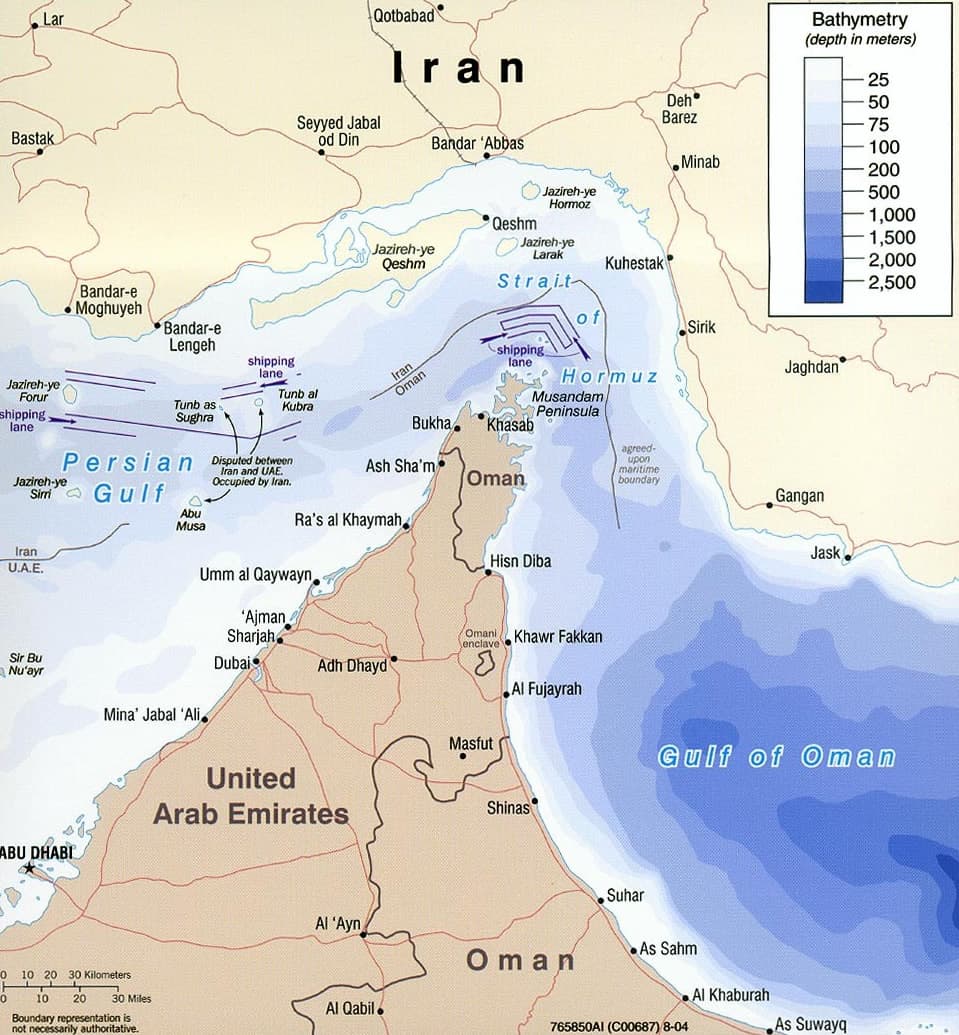
That is why the new authorization system looks less like routine maritime administration than a bid to formalize leverage over a global chokepoint. If every passage now requires prior approval, the impact could extend beyond routing. Higher insurance costs, more cautious chartering and longer delays would all be plausible consequences, especially if shipowners fear arbitrary denial or last-minute instruction changes. In a narrow waterway already shadowed by military tension, a bureaucratic rule can quickly become a strategic instrument, and a delay at sea can become a miscalculation on land.
This article was produced by Prism’s automated news system from verified source data, official records, and press releases, then run through automated quality and moderation checks before publishing. The system is built and supervised by the people who set the standards it runs under. Read our full AI policy.
Did this article answer your question?