Iran launches missiles and drones at U.S. sites in Bahrain, Kuwait
Iran fired missiles and drones at U.S. sites in Bahrain and Kuwait, and no casualties were reported as Gulf air defenses moved to intercept the strikes.
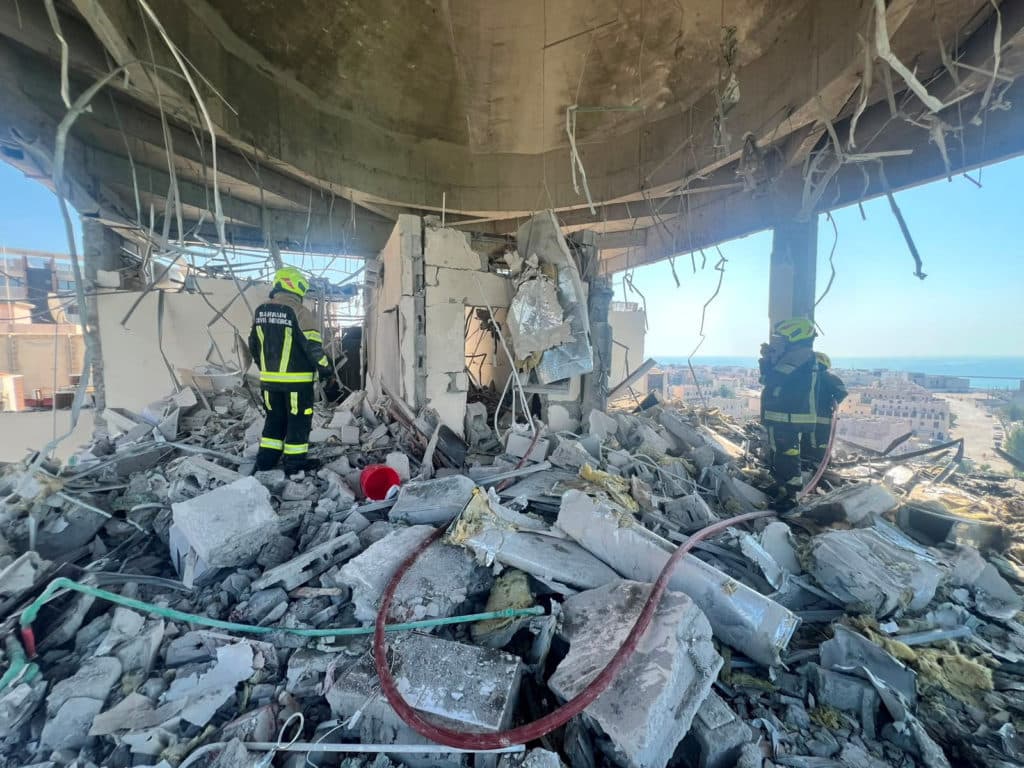
Iran launched missiles and drones at U.S. military sites in Bahrain and Kuwait after renewed American airstrikes on Iranian targets, sharply widening a confrontation that has now pulled two of Washington’s closest Gulf partners into the line of fire. A U.S. official said no casualties were reported as the attacks raced across a region already rattled by disrupted shipping lanes and repeated exchanges of fire.
The Islamic Revolutionary Guard Corps said it carried out the operation in retaliation for U.S. strikes on Iranian targets and said it used both drones and ballistic missiles. Bahrain’s Interior Ministry said air-raid sirens sounded and told residents to remain calm and move to the nearest safe place. Kuwait’s military said its air-defense systems were intercepting what it called hostile missile and drone attacks, underscoring how quickly the fight had spilled beyond Iran and the United States into the security perimeter of the Gulf.
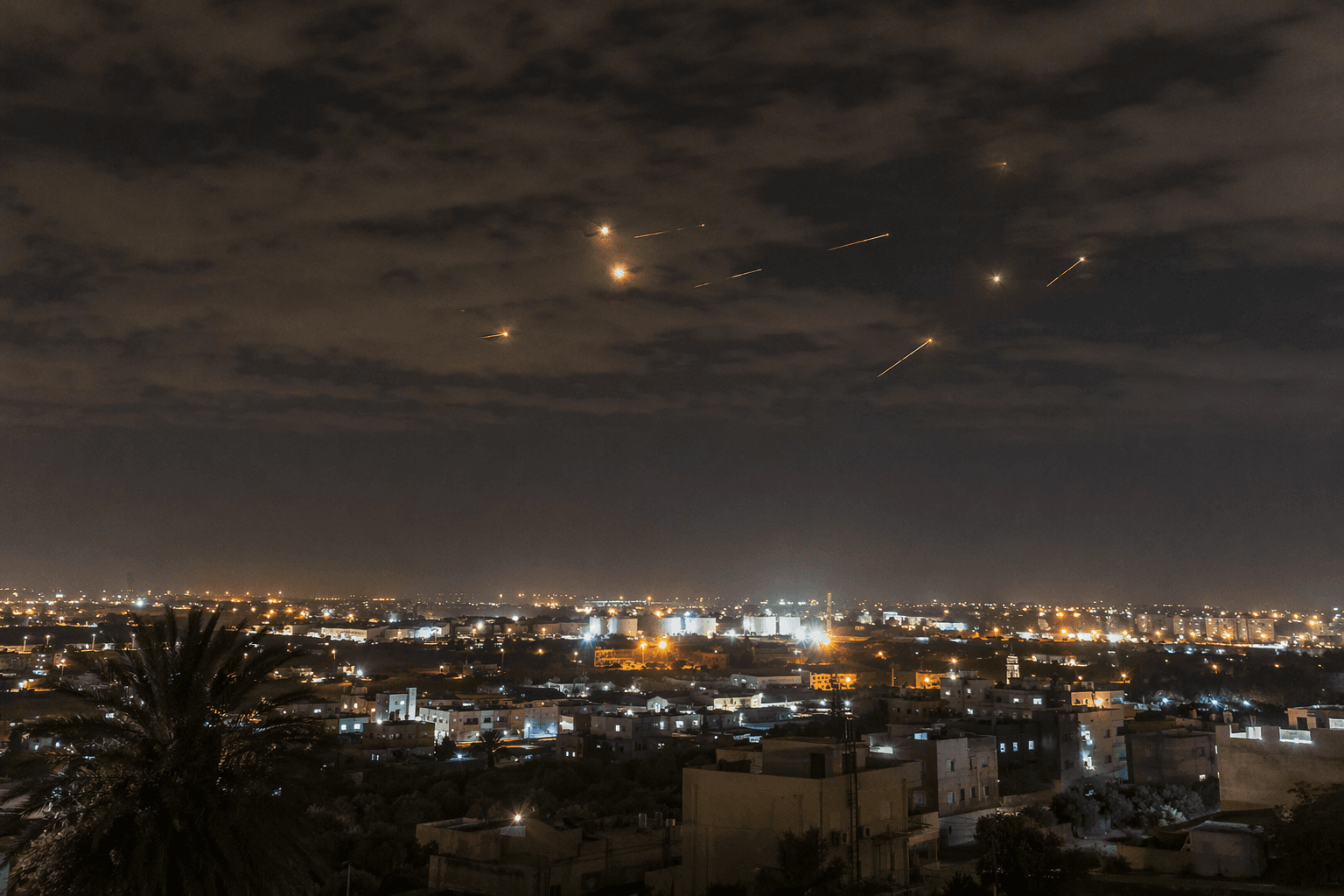
Both Bahrain and Kuwait condemned the strikes as violations of their sovereignty. Bahrain’s foreign ministry said the attack targeted its territory in the early hours of Saturday, June 27, using a number of Iranian drones. Kuwait’s General Staff of the Armed Forces said its air defenses were active early Sunday morning as the country came under missile and drone attack. Together, the two governments framed the assault not only as a military threat, but as a direct challenge to state sovereignty inside a heavily militarized region.
U.S. Central Command said the United States carried out additional strikes on Iranian targets on Sunday, extending the cycle of retaliation. The back-and-forth has revived fears of a wider regional war at a moment when negotiators were already struggling to hold together a fragile interim ceasefire framework.
Iran also raised the diplomatic stakes. Abbas Araghchi warned that a “complete halt” to negotiations could follow if Washington continued its attacks, signaling that the military exchange could now carry over into the talks meant to end the war. That threat matters because the clashes are unfolding alongside tension in and around the Strait of Hormuz, where shipping disruptions have already forced new security steps. A multinational maritime body overseen by the U.S. Navy said it would expand a route near Oman for inbound and outbound traffic, a reminder that the conflict is now affecting commercial sea lanes as well as military bases.
The strikes on Bahrain and Kuwait look like more than a single retaliation. They also function as signaling: Iran showed it can reach U.S. positions tied to the Gulf defense network, while Washington answered with further strikes that keep the escalation moving.
This article was produced by Prism’s automated news system from verified source data, official records, and press releases, then run through automated quality and moderation checks before publishing. The system is built and supervised by the people who set the standards it runs under. Read our full AI policy.
Did this article answer your question?


