Iran oil flows resume as Strait of Hormuz reopens cautiously
Tankers began moving again through the Strait of Hormuz after the June 18 deal, but full Iranian oil flows could still take weeks or months.

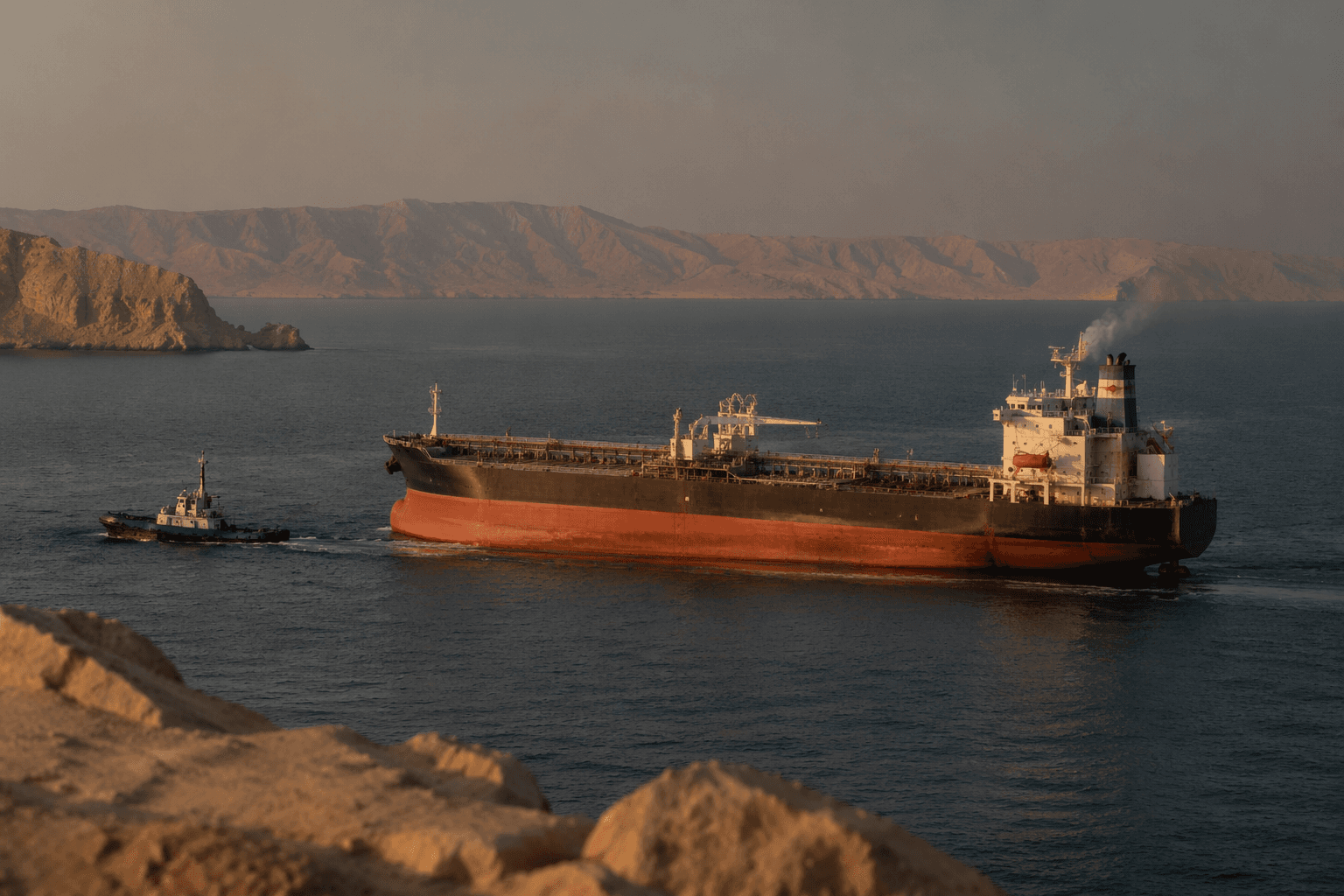
Oil tankers began edging back through the Strait of Hormuz after the United States and Iran signed an initial agreement on June 18, but the reopening was cautious, not complete. By June 19 and June 20, cargo ships and crude carriers were moving again, a sign that one of the world’s most important energy chokepoints had reopened without yet returning to normal.
The speed of any Iranian export rebound remains the key market question. The Associated Press said even with a deal to reopen Hormuz, it could take weeks or months for oil to fully flow. That timing matters because a legal reopening does not instantly create spare cargoes, insured voyages or ready buyers. Tanker availability, shipping insurance, refinery demand and sanctions enforcement all stand between a diplomatic breakthrough and barrels reaching global markets in volume.
The agreement also leaves the political leverage unresolved. U.S. officials said the broader arrangement could include lifting sanctions on Iran and unfreezing funds and assets linked to the country. Iran, meanwhile, accused the United States and Israel of truce violations and said it could close the strait again. The next phase is expected to include technical talks in Switzerland, underscoring how fragile the opening remains.
Iran’s export capacity has been constrained for years. The United States withdrew from the JCPOA in May 2018 and reinstated sanctions, after which Iran’s crude exports and production declined sharply, according to the U.S. Energy Information Administration. The International Energy Agency said two additional Iran-related laws targeting oil exports were put into force in 2024, while the U.S. State Department imposed new sanctions in May 2026 on Iran’s shadow oil economy. It also said Rewards for Justice would offer up to $15 million for information leading to the disruption of IRGC financial mechanisms.
The economic stakes are large enough to explain the urgency. The Energy Information Administration estimated Iran’s oil companies earned about $53 billion in net oil export revenues in 2023. The Iran Primer said Iranian crude oil and natural gas exports accounted for about 18% of GDP and roughly one-quarter of government revenues in fiscal 2018-19 before the tightest sanctions took hold. CNBC reported that tanker traffic jumped after the deal, but AP and World Oil both said shipments were only beginning to move and major obstacles to normal market conditions remained.
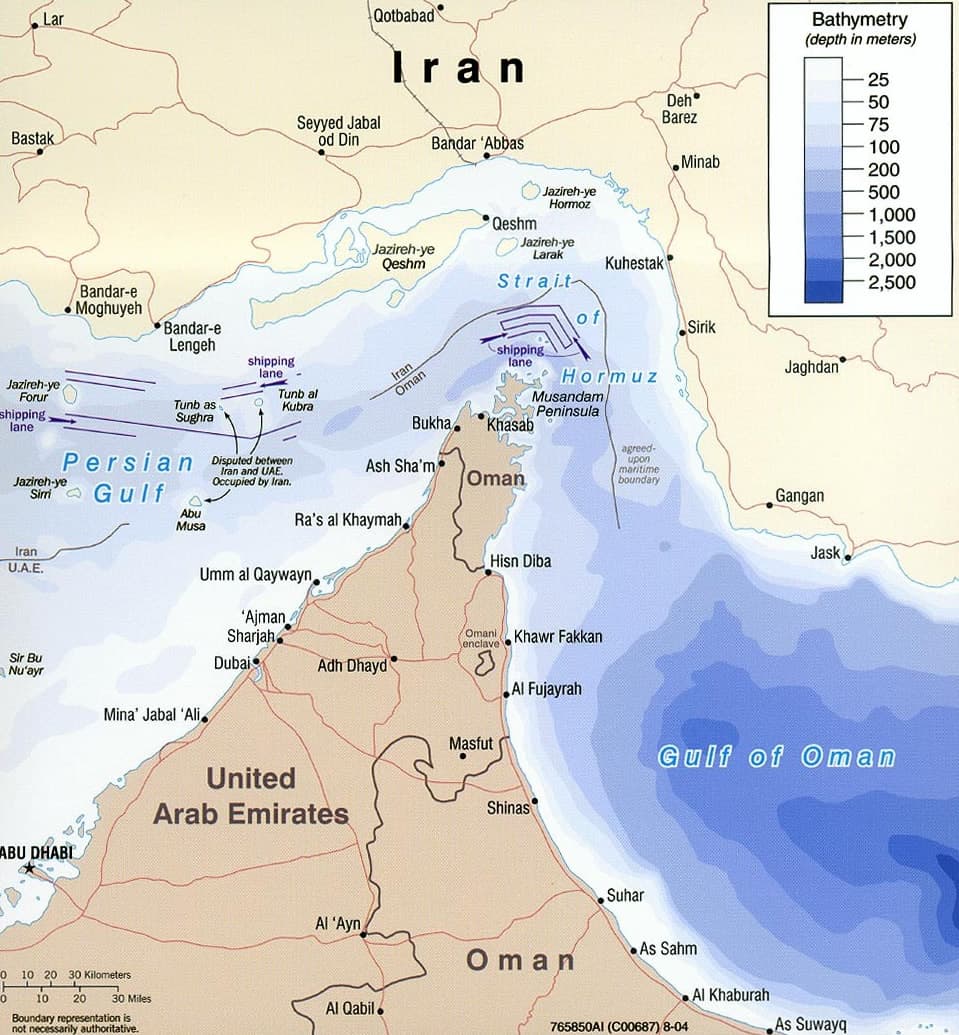
If the Hormuz corridor holds, Iran could slowly recover sales, tightening sanctions leverage against Washington and reshaping regional power dynamics at the same time. If it falters, the market will be left with another reminder that in Gulf energy politics, reopening a strait is much faster than restoring a trade flow.
This article was produced by Prism’s automated news system from verified source data, official records, and press releases, then run through automated quality and moderation checks before publishing. The system is built and supervised by the people who set the standards it runs under. Read our full AI policy.
Know something we missed? Have a correction or additional information?
Submit a Tip