Iran releases video of ship seizures in Strait of Hormuz amid ceasefire tensions
Iran aired footage of commandos boarding ships in the Strait of Hormuz as three cargo vessels came under fire and Trump left his next step unsaid.
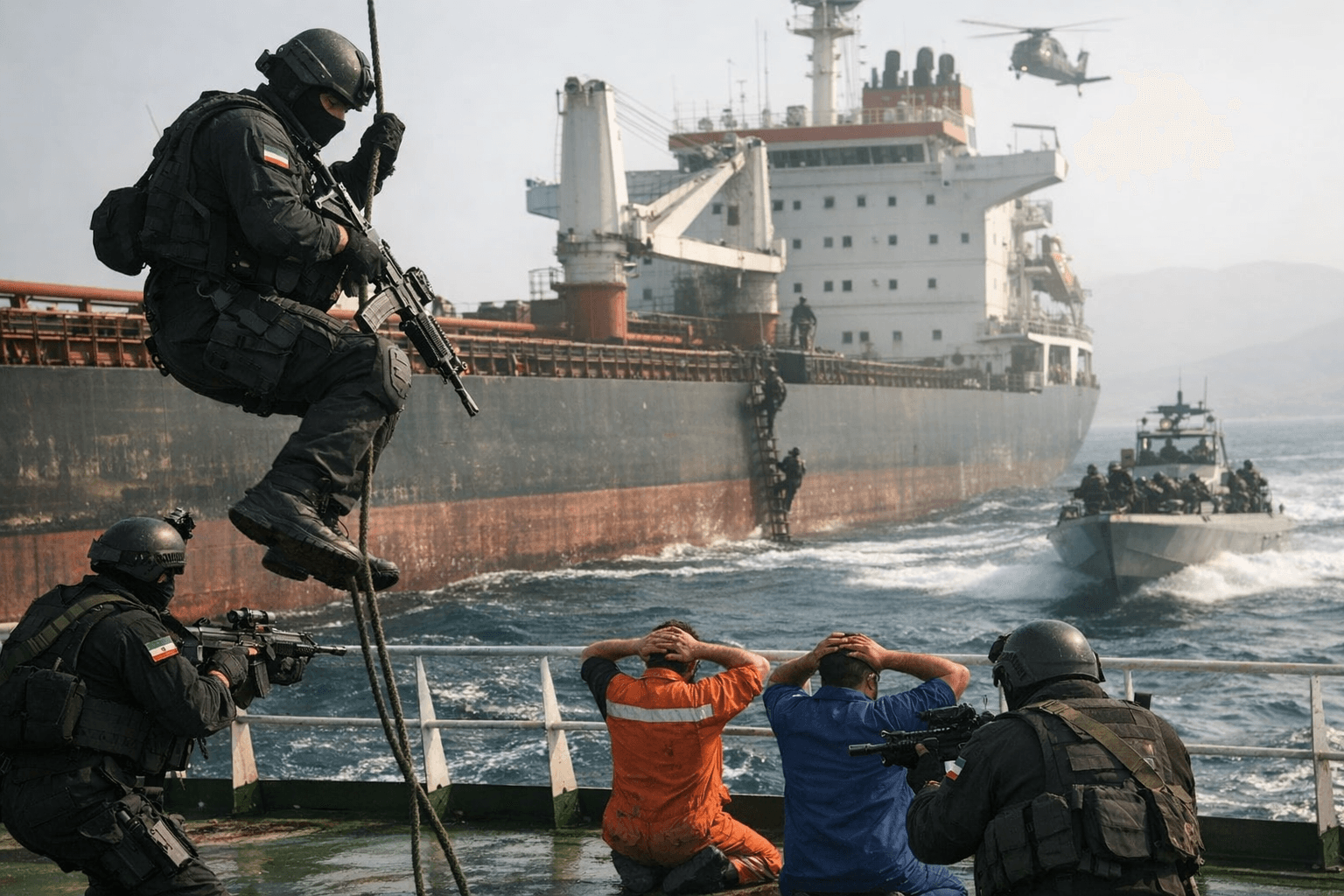
Iran turned the Strait of Hormuz incident into a public spectacle, releasing video it said showed Islamic Revolutionary Guard Corps forces seizing ships after three cargo vessels came under fire. The footage, released on April 23, showed commandos boarding vessels in the waterway, while Iranian state media said the IRGC accused the ships of operating without required permits and tampering with navigation systems.
The maritime picture remained murky but alarming. United Kingdom Maritime Trade Operations reported that three cargo ships came under fire in the strait on April 22. Iran said it seized two of them, later identified as the Panama-flagged MSC Francesca and the Liberia-flagged Epaminondas, also reported as Epaminodas. A third vessel, identified as Euphoria in some coverage, was also fired upon but kept sailing. Montenegro’s maritime affairs minister, Filip Radulović, said four Montenegrin seafarers were aboard the MSC Francesca and that all crew members were safe.
The video served more than a battlefield purpose. By publicizing the seizures, Tehran appeared to be sending a message in three directions at once: to Washington, that it could still escalate at a vital maritime chokepoint; to regional rivals, that it retains operational reach in the Persian Gulf; and to global oil markets, that traffic through the Strait of Hormuz remains vulnerable even when ships are moving. CNN reported ship-tracking data showing the seized vessels appeared stationary off the Iranian coast, reinforcing the sense that the IRGC was trying to turn a brief attack into a visible warning.
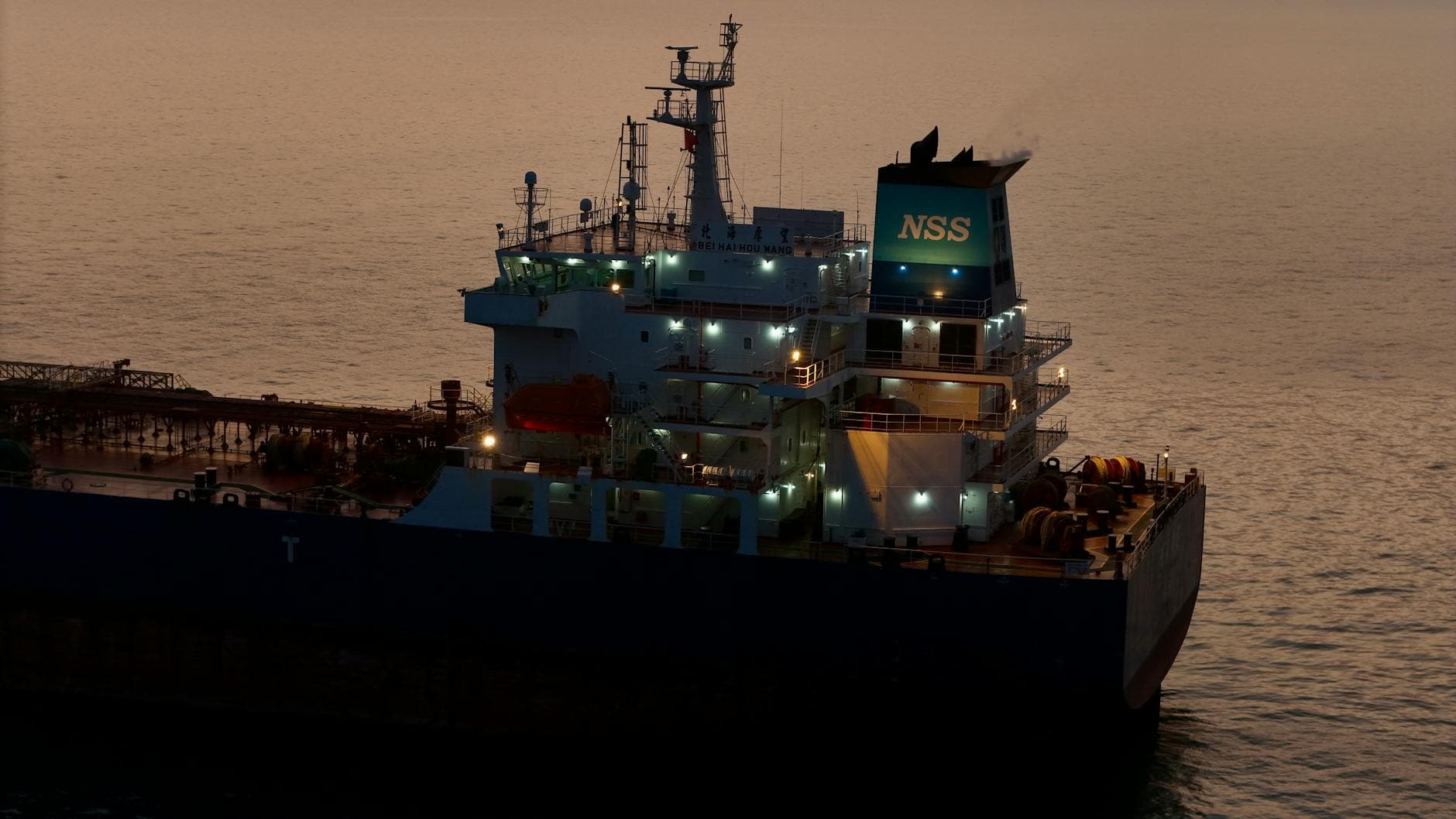
Trump’s public silence added to the uncertainty. The White House said it did not treat the attacks as a violation of the ceasefire Trump extended on April 22, and Trump had not set a firm deadline for Iran to respond. That ambiguity leaves open several readings: restraint, internal debate, or a deliberate effort not to telegraph the next move. For now, the absence of a hard line from Washington gives Tehran room to frame the episode on its own terms.
The stakes extend far beyond the seized hulls. The Strait of Hormuz is one of the world’s most important oil chokepoints, and traffic there remained far below normal during the crisis. One report said more than 100 vessels crossed daily before the war. Maritime analysts warned that the latest seizures showed the strait is not safe even if it is technically open. Iran’s history in the waterway, including the 2019 seizure of the British tanker Stena Impero, underscores how often the corridor becomes a pressure point whenever U.S.-Iran tensions rise.
This article was produced by Prism’s automated news system from verified source data, official records, and press releases, then run through automated quality and moderation checks before publishing. The system is built and supervised by the people who set the standards it runs under. Read our full AI policy.
Did this article answer your question?


