Iran reviews U.S. response to peace offer amid Strait standoff
Iran said it received Washington’s reply to a peace bid through Pakistan, after Trump signaled he was not ready to accept the offer.
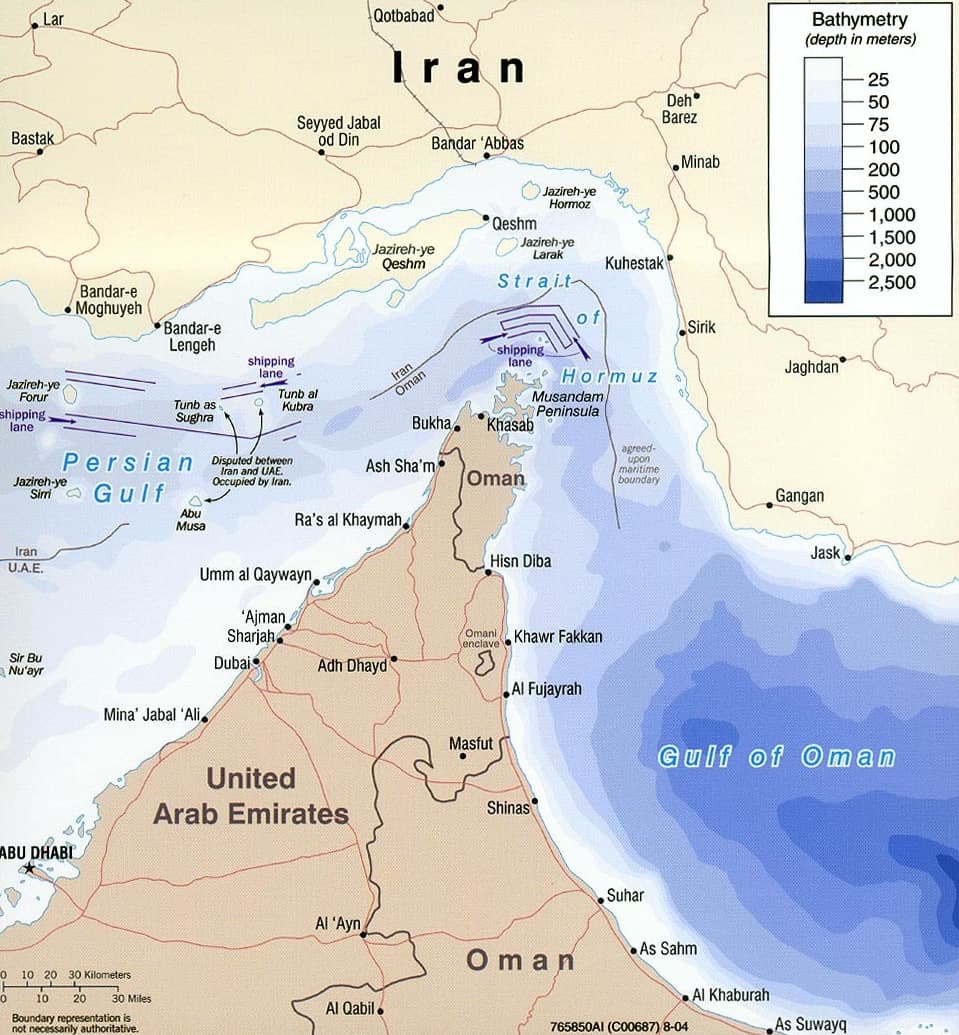
Iran said Sunday it had received a U.S. response to its latest peace proposal and was reviewing it, a small but significant move in a crisis centered on the Strait of Hormuz. Iranian state media said Washington conveyed its reply through Pakistan, but neither Washington nor Islamabad immediately confirmed the exchange.
The sequencing matters. Before Tehran said the response had arrived, President Donald Trump said Saturday that he could not imagine Iran’s proposal “would be acceptable.” He added that he was “not satisfied” with what Iran was offering and said separately that Iran had “not paid a big enough price.” Those comments signaled that any opening was still tightly controlled, with Washington setting the terms and not yet endorsing a breakthrough.
The Iranian offer, as described in recent reporting, would open shipping in the Strait of Hormuz and end the U.S. blockade of Iran while leaving talks on Iran’s nuclear program for later. That structure suggests a limited first step, aimed at reducing pressure in the Gulf before confronting the most politically sensitive issue. It also hints at the kind of concession Tehran may be trying to extract first: relief for maritime traffic and sanctions pressure before deeper negotiations.
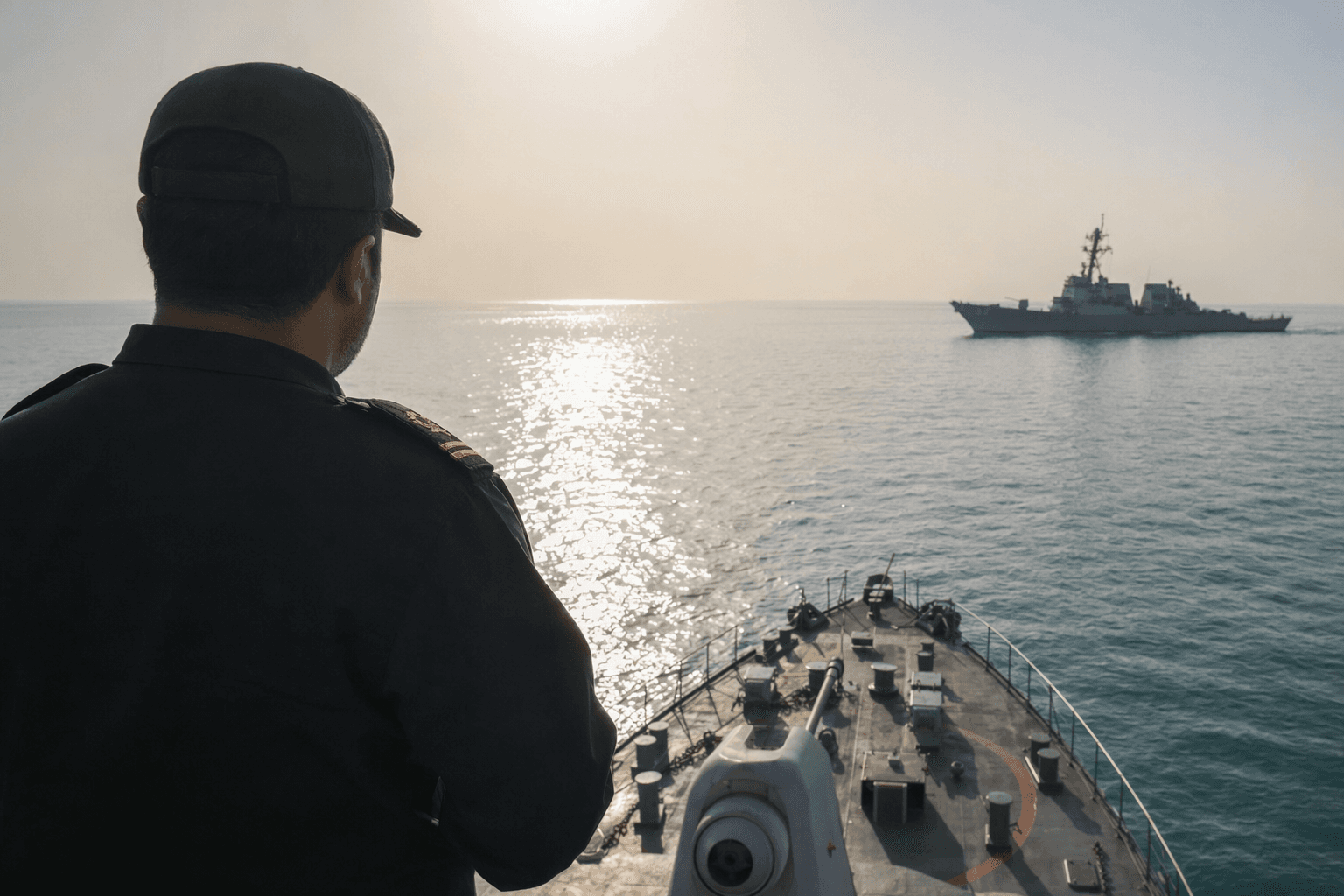
The Strait of Hormuz sits at the center of the standoff because it is one of the world’s most important shipping routes for energy flows. Reports linked the broader war to at least two dozen attacks in and around the strait since the fighting began, underscoring how quickly a local clash has turned into a threat for global shipping and energy markets. Any shift in the talks would therefore have consequences far beyond Washington and Tehran.
For now, the process looks less like a settled diplomatic track than a test of whether either side is willing to move without losing leverage. Iran has framed the proposal as a step toward de-escalation in the Gulf. But the lack of immediate confirmation from Washington or Islamabad, Trump’s public skepticism, and the continuing violence around the strait all point to the same obstacle: deep mistrust that could turn a narrow opening into another delay.
This article was produced by Prism’s automated news system from verified source data, official records, and press releases, then run through automated quality and moderation checks before publishing. The system is built and supervised by the people who set the standards it runs under. Read our full AI policy.
Did this article answer your question?