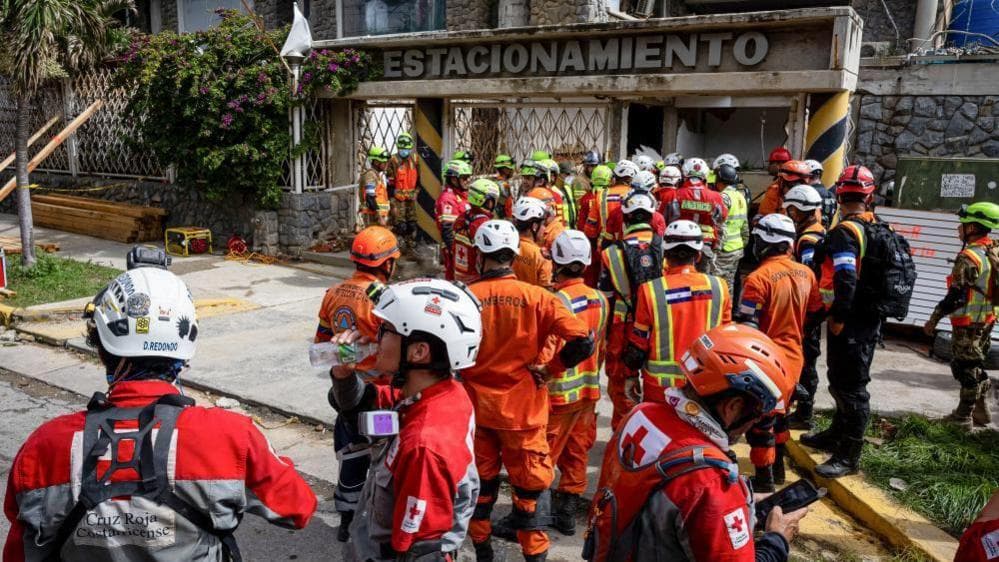
Iran says it is closing Strait of Hormuz, U.S. keeps it open
Iran said it shut the Strait of Hormuz, but U.S. forces said the chokepoint stayed open as talks with JD Vance began in Switzerland.
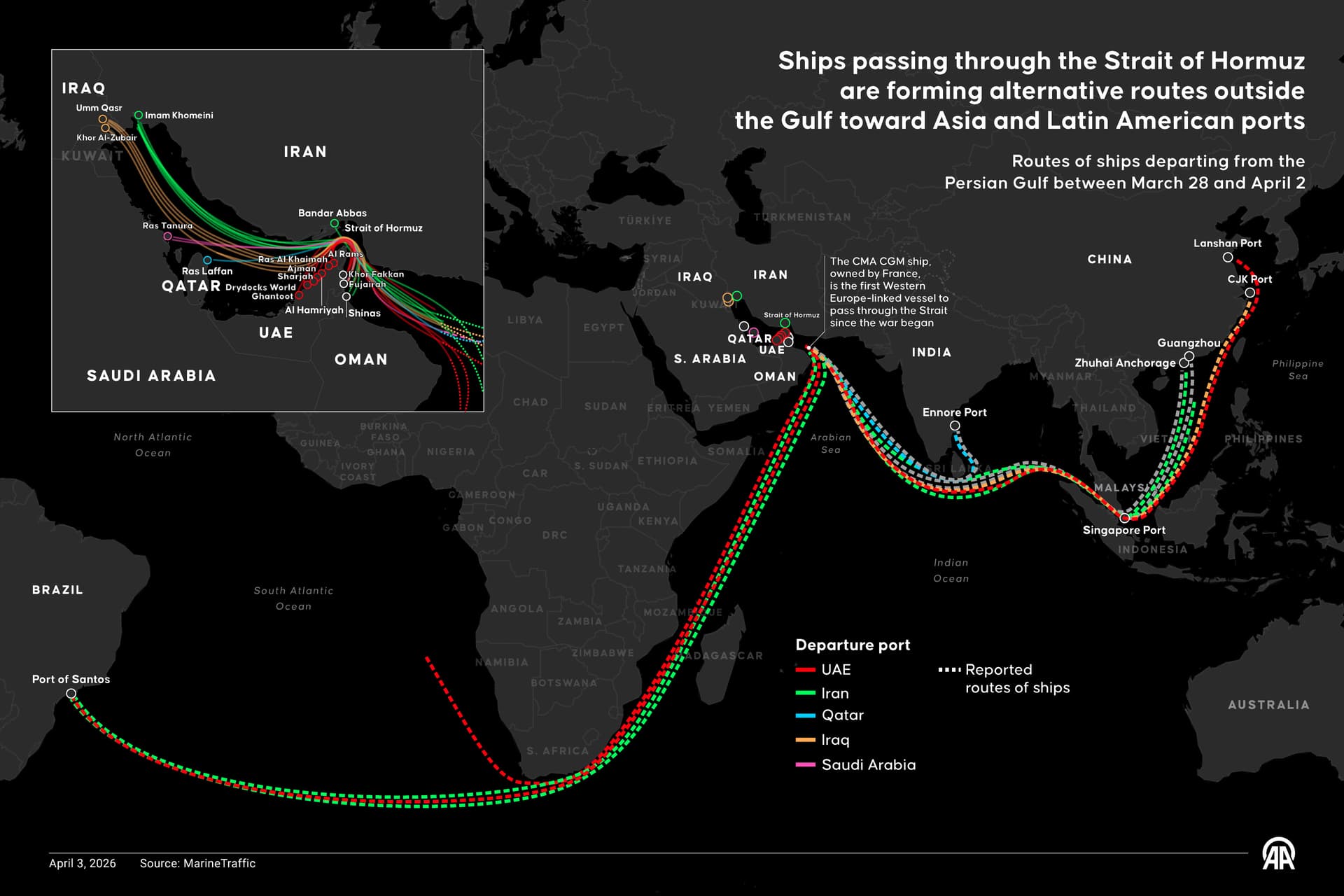
Iran’s claim that it had closed the Strait of Hormuz jolted diplomacy and markets, but the U.S. military said the waterway remained open and commercial traffic was still moving. The confrontation matters because the strait carried about 20 million barrels of oil a day in 2024, roughly 20% of global petroleum liquids consumption, while around one-fifth of global LNG trade also transited the corridor, mostly from Qatar.
A real closure would take more than a declaration. The Strait of Hormuz is a narrow passage between the Persian Gulf and the Gulf of Oman, and the International Maritime Organization says its traffic separation scheme was adopted in 1968. The agency has also warned that attacks and purported closures threaten merchant shipping and seafarer safety. With very few alternative routes available, even a short disruption would force shippers, refiners and insurers to reprice risk quickly.

The dispute landed while U.S. and Iranian negotiators were preparing to meet in Switzerland on Sunday, June 21, 2026. JD Vance arrived for the talks, while Iran was expected to send foreign minister Abbas Araghchi and parliament speaker Mohammad-Bagher Ghalibaf, with Pakistan and Qatar involved as mediators. Iran said the latest escalation was a response to Israeli strikes in Lebanon and what it described as U.S. violations or bad faith around the interim understanding.
Markets had already shown how sensitive the strait is to even the hint of reopening or renewed disruption. Reuters reported that oil prices fell about 5% to a three-month low on June 16 as traders expected the waterway to reopen, and later reported that three Saudi supertankers carrying about 6 million barrels crossed after the deal. Yet the International Energy Agency said in March 2026 that flows through the strait had plunged from around 20 million barrels a day before the war to a trickle, underscoring how fragile the recovery remains.
For U.S. consumers, the immediate question is whether Iran’s move is bargaining leverage or the start of a wider escalation. If U.S. forces keep the lane open, the threat may stay political; if Iranian forces begin physically impeding tankers or sustaining attacks on shipping, the shock would spread through crude benchmarks, freight rates and insurance premiums before reaching gasoline prices.
This article was produced by Prism’s automated news system from verified source data, official records, and press releases, then run through automated quality and moderation checks before publishing. The system is built and supervised by the people who set the standards it runs under. Read our full AI policy.
Did this article answer your question?