Iran says U.S. talks aim to end war, not settle nuclear issue
Tehran says the talks are meant to end the war first, while the nuclear file, sanctions relief and frozen assets are still set aside for later.
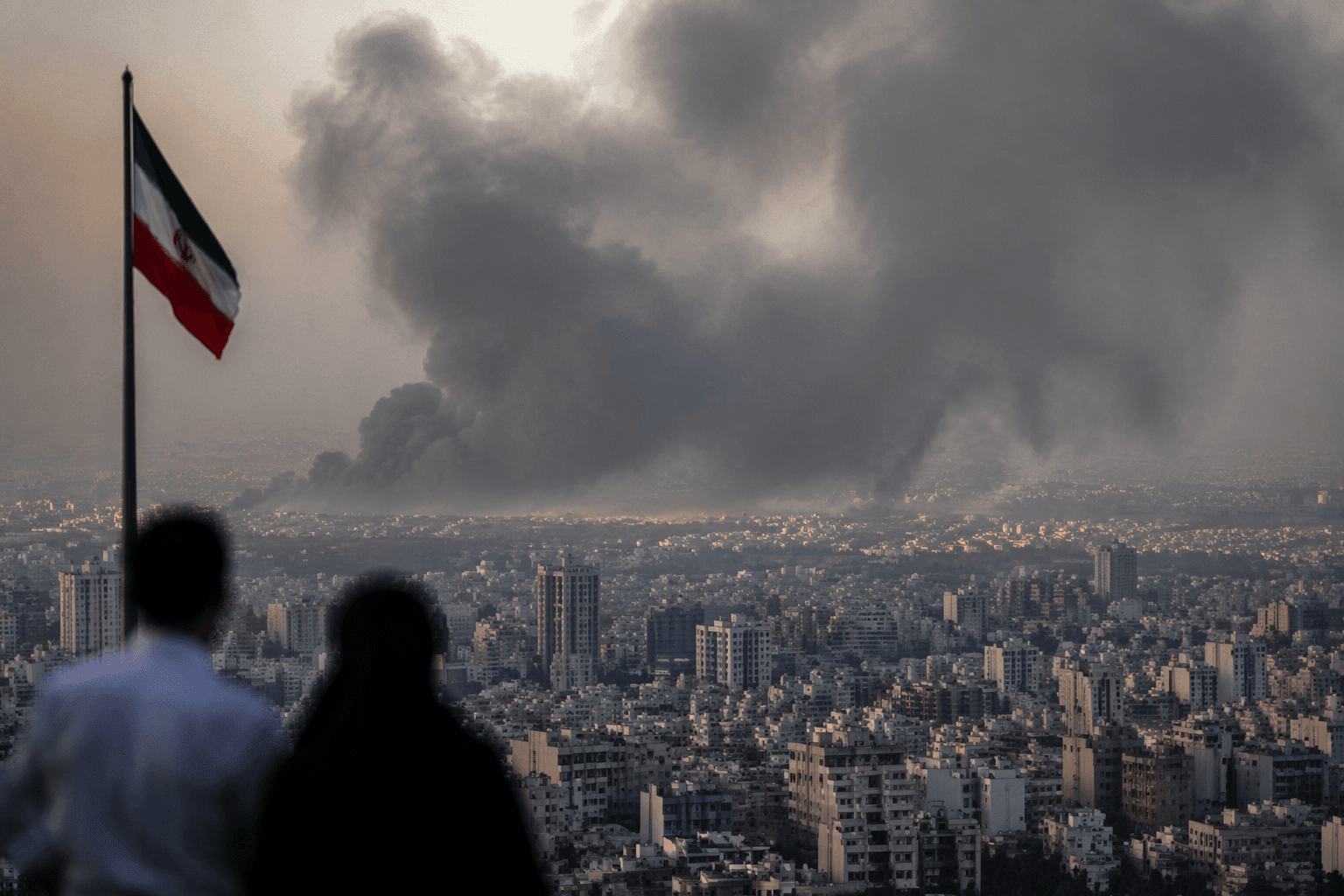
Tehran is signaling that its talks with Washington are not yet about the nuclear question at all, but about stopping a war that has shaken the region and global energy markets. Iranian Foreign Ministry spokesperson Esmaeil Baghaei said on Monday that the discussions were aimed at ending the fighting, and he said the two sides had reached conclusions on many topics in a potential memorandum of understanding, though Tehran was not close to signing an agreement.
That gap in purpose may decide whether any deal can hold. Under the framework now taking shape, a preliminary memorandum would first lock in a halt to the fighting and reopen the Strait of Hormuz, the chokepoint that has become central to the negotiations. More contentious issues, including Iran’s nuclear program, sanctions relief and frozen Iranian assets, would be pushed into broader talks expected within 30 to 60 days.
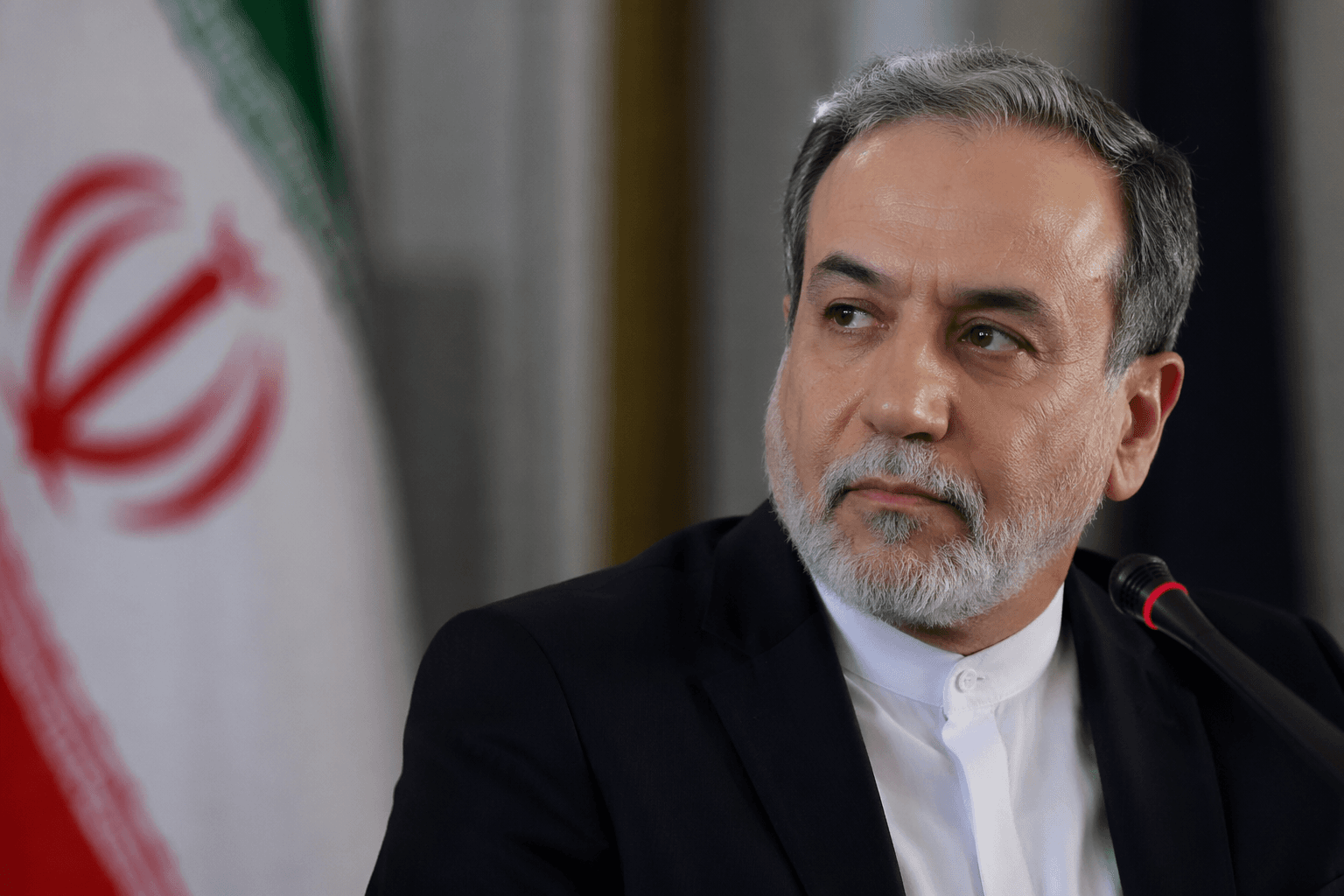
The mixed messaging from both capitals underscored how unfinished the process remains. U.S. President Donald Trump said on Saturday that a memorandum of understanding was “largely negotiated,” while Secretary of State Marco Rubio said on Monday that Washington saw progress but that more work remained. Rubio added that the United States would either get a good agreement or “deal with the country in another way.”
Mediators have been pressing hard to keep the channels open. Pakistan’s army chief, Asim Munir, traveled to Tehran on Friday to advance mediation efforts, and Qatar also sent a negotiating team to the Iranian capital to coordinate with the United States. Iranian state and semi-official media have said that even if an agreement is reached, Tehran wants the Strait of Hormuz to remain under Iranian management, a position that remains one of the sharpest sticking points.
The diplomacy is unfolding against the backdrop of a three-month-old war that began after U.S. and Israeli attacks on Iran on February 28, 2026. That fighting has rattled shipping and energy markets far beyond the Gulf, making the prospect of reopening the strait one of the most closely watched parts of the talks. For now, the two sides are still describing the talks as preliminary, with the hardest disputes left for later.
This article was produced by Prism’s automated news system from verified source data, official records, and press releases, then run through automated quality and moderation checks before publishing. The system is built and supervised by the people who set the standards it runs under. Read our full AI policy.
Did this article answer your question?