Iran sets 10 conditions for World Cup participation in North America
Iran said it will play in 2026 only if hosts ease visas, security and IRGC-linked entry rules, turning World Cup access into a test of FIFA’s neutrality.
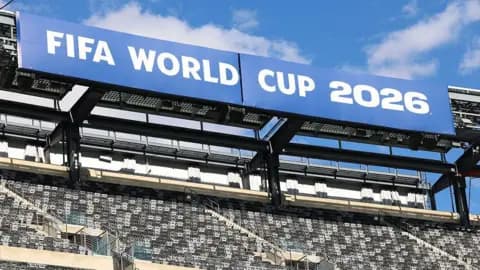
Iran has turned its World Cup place into a geopolitical checklist. The Football Federation Islamic Republic of Iran said the country will participate in the 2026 tournament in the United States, Mexico and Canada, but only if host governments and FIFA address 10 conditions covering visas, security, treatment of officials, media access and match-day protocol.
At the center of the dispute is Mehdi Taj, the FFIRI president, who said all players and technical staff should receive visas without problems, including those who completed mandatory military service in the Islamic Revolutionary Guard Corps. Iran also wants FIFA to guarantee that Iranian officials, the national flag and the anthem are treated with respect, while journalists and supporters are given easier visa access and security is tightened around airports, hotels, transport routes and stadiums.
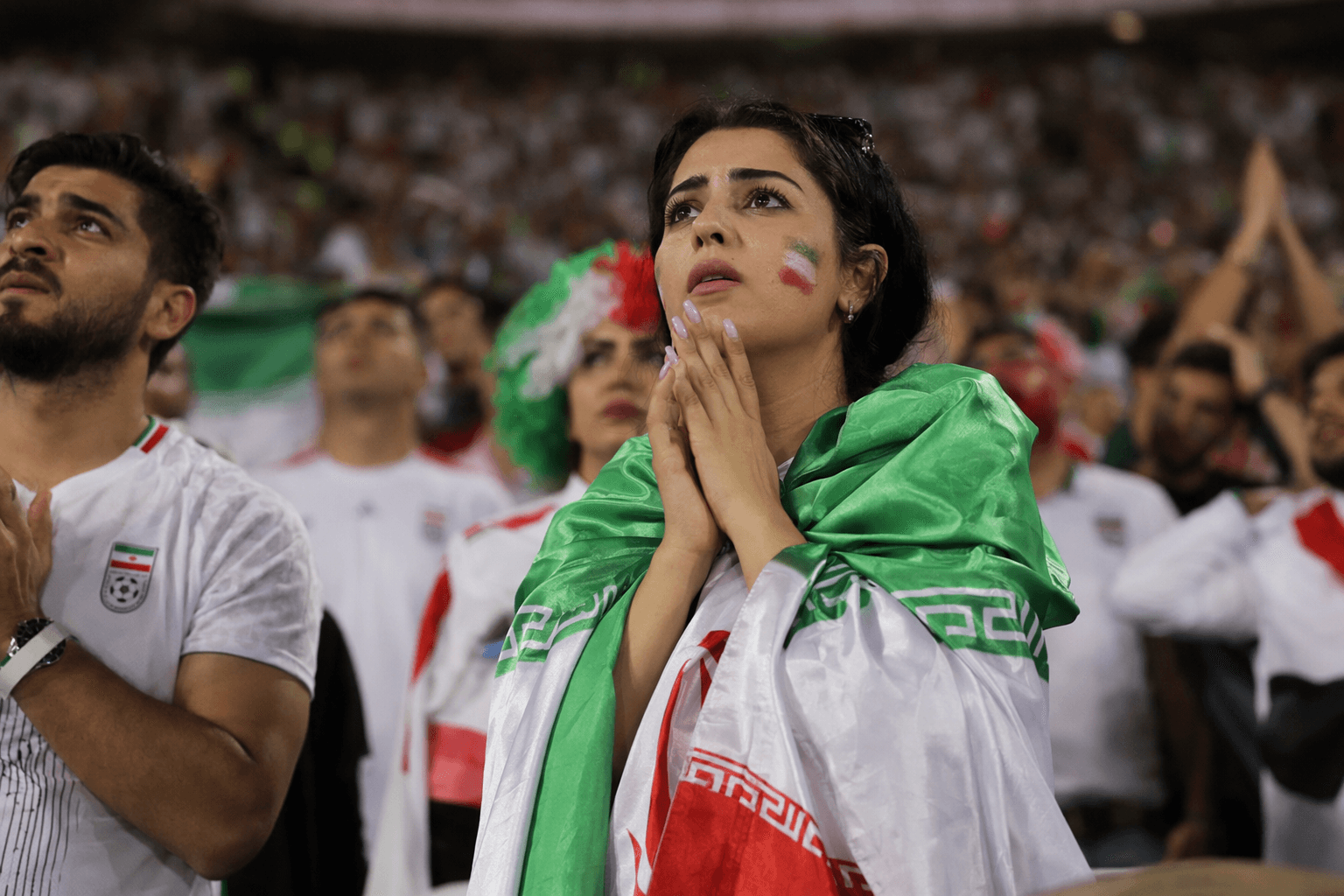
The federation’s demands are rooted in a concrete diplomatic clash. Canadian immigration authorities canceled Taj’s visa while he was traveling to FIFA Congress in Vancouver, forcing him and other delegates to turn back. The issue sharpened because Canada and the United States both classify the IRGC as a terrorist entity, making associated individuals inadmissible. U.S. Secretary of State Marco Rubio has said Washington has no objection to Iranian players competing, but that people with ties to the IRGC will not be admitted.
FIFA has tried to keep the issue moving. Secretary-General Mattias Grafstrom invited FFIRI to Zurich on May 20 to discuss World Cup preparations and the IRGC dispute. The timing matters because the tournament runs from June 11 to July 19, 2026, and Iran’s group-stage games are already set: New Zealand in Los Angeles on June 15, Belgium on June 21 and Egypt on June 26, with additional group matches scheduled in Seattle.
Iran’s stance reflects more than a visa fight. It is a test of whether FIFA can preserve the appearance of political neutrality when security screening, diplomatic tensions and national symbolism collide inside a tournament spread across three countries. Iran has qualified for four consecutive World Cups and seven overall, yet it has never advanced beyond the group stage. This time, its place in the bracket is secure; the harder question is whether its delegation can actually cross the border.
This article was produced by Prism’s automated news system from verified source data, official records, and press releases, then run through automated quality and moderation checks before publishing. The system is built and supervised by the people who set the standards it runs under. Read our full AI policy.
Did this article answer your question?
.jpg&w=1920&q=75)